
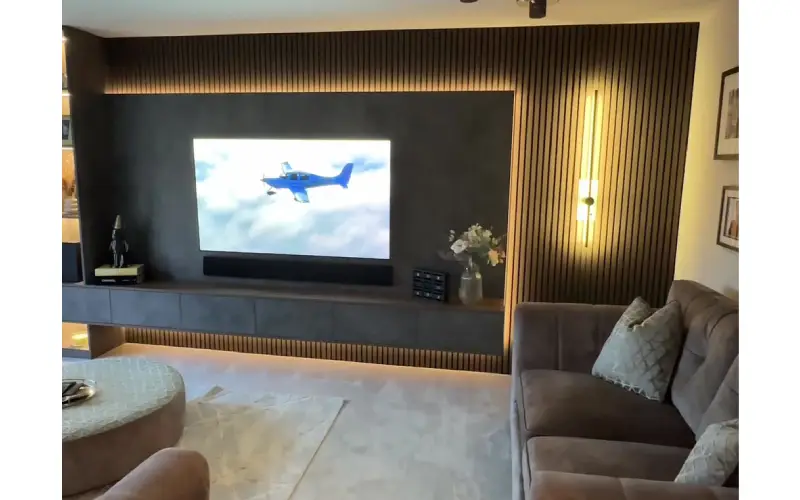
Why Media Wall Installation Revolutionizing Visual Spaces?
In today’s fast-paced, visually driven world, the way we present information and ambiance in both commercial and residential spaces has drastically evolved. One trend gaining significant momentum is media wall installation—an innovative approach that combines technology, design, and functionality to create stunning visual displays. Whether it’s for an office lobby, a retail environment, or a home entertainment setup, media walls provide a captivating way to engage audiences and elevate spaces. This article dives deep into what media wall installations are, the technology behind them, their diverse applications, and the considerations you should keep in mind to maximize their potential.
What Is A Media Wall Installation? Understanding The Basics
A media wall installation refers to the integration of multiple display screens or a large seamless digital surface arranged on a wall to present dynamic visual content. These installations range from a simple video wall composed of several LED or LCD screens to complex interactive displays incorporating touch screens and sensors.
Key components of media walls include:
- Display Panels: LED, OLED, LCD, or projection screens that form the visual surface.
- Mounting Systems: Specialized brackets and frames that ensure precise alignment and safety.
- Content Management Systems (CMS): Software platforms used to schedule, update, and control the displayed media.
- Connectivity & Control Hardware: Includes media players, controllers, and networking equipment to run content smoothly.
Media walls differ from traditional signage by their scale, adaptability, and interactive capabilities, offering a versatile solution for storytelling and information dissemination.
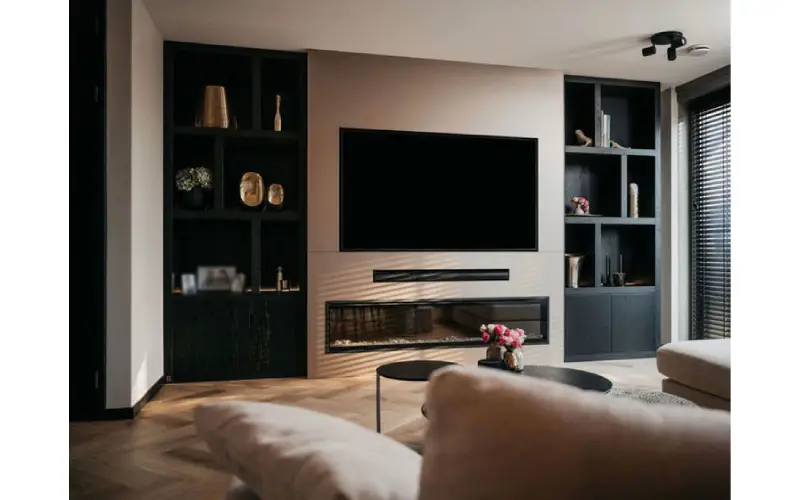
The Technology Behind Media Wall Installations
Understanding the technology involved in media wall installation helps grasp why these setups are so impactful and flexible.
- Display Technologies:
- LED Panels: Known for high brightness and vivid colors, perfect for large spaces and daylight visibility.
- LCD Tiles: More affordable, with decent color reproduction, often used indoors.
- OLED Screens: Offer superior contrast and flexibility, ideal for curved or irregular walls.
- Projection Mapping: Uses projectors to cast visuals onto surfaces, suitable for artistic and immersive installations.
- LED Panels: Known for high brightness and vivid colors, perfect for large spaces and daylight visibility.
- Resolution & Pixel Pitch:
The sharpness and clarity of a media wall depend on the pixel pitch—the distance between individual pixels. Smaller pixel pitch means higher resolution, essential for close viewing distances. - Content Management & Interactivity:
Modern media walls use advanced CMS to allow remote control, real-time updates, and interactive experiences. Touchscreen overlays, motion sensors, and AI integration are also transforming these walls into immersive environments. - Installation Techniques:
Precision is crucial. Mounting systems must allow for seamless joins between screens, heat management, cable organization, and easy maintenance access.
Applications Of Media Wall Installation Across Industries
The versatility of media wall installations means they can be adapted to various environments, enhancing the user experience in unique ways:
- Corporate & Office Spaces:
Large-scale media walls in lobbies or conference rooms provide impressive branding opportunities, display key data dashboards, or showcase corporate videos that enhance visitor and employee engagement. - Retail & Advertising:
Media walls attract customers by presenting vibrant advertisements, product demos, and interactive promotions. The dynamic nature helps brands stay relevant and appealing in competitive marketplaces. - Hospitality & Entertainment Venues:
Hotels, casinos, and theaters use media walls for wayfinding, event schedules, and immersive ambiance creation that enhances guest experience. - Education & Museums:
Interactive media walls engage visitors with rich multimedia presentations, virtual tours, and educational content that make learning interactive and memorable. - Residential Use:
High-end home theaters and smart homes utilize media wall installations to create cinematic experiences or multifunctional living spaces with ambient visuals.
Planning A Successful Media Wall Installation: Key Considerations
A well-executed media wall installation requires careful planning and expert insight:
- Purpose and Content Strategy:
Define what the media wall should achieve—brand visibility, information dissemination, entertainment, or interactive engagement. Content needs should align with the wall’s placement and audience. - Space and Viewing Distance:
Assess the physical space, lighting conditions, and how far viewers will be from the screen to choose the right display technology and resolution. - Technical Infrastructure:
Consider power requirements, cooling, cable management, and network connectivity. These elements affect performance and longevity. - Budget and Maintenance:
Factor in installation costs, content creation, hardware warranties, and ongoing maintenance. A scalable solution can accommodate future upgrades. - Professional Installation & Support:
Partner with experienced professionals who understand the intricacies of media wall installation to ensure safety, compliance, and quality.
The Future Of Media Wall Installation: Trends To Watch
As technology advances, media wall installations are becoming more immersive and intelligent:
- AI-Driven Content Customization: Media walls will dynamically adapt content based on audience demographics, behavior, and preferences.
- Augmented Reality (AR) Integration: Combining AR with media walls can create interactive and gamified experiences.
- Sustainability Focus: Eco-friendly materials and energy-efficient display technologies will dominate.
- Modular & Flexible Designs: Easily reconfigurable panels allow spaces to be transformed quickly for different purposes.
Conclusion
Media wall installation is more than just a decorative technology—it’s a powerful tool for communication, branding, and engagement across numerous sectors. By understanding the technology, applications, and critical planning factors, businesses and homeowners can harness this dynamic solution to transform their spaces and captivate audiences. As innovation continues, media walls will only grow more sophisticated, offering endless possibilities for creative and functional visual storytelling. Embracing this trend today sets the stage for tomorrow’s immersive environments.

Kristy Blanchard is a Kansas-based writer and blogger. She has a passion for writing and exploring different cultures. She has a degree in English Literature and is currently studying marketing. She spends her free time exploring Kansas and always has a new story to tell. She loves to share her experiences in her blog, where she writes about everything from fashion and food to travel and culture.


