

Why CPG Brands Struggle with Branding?
In an increasingly competitive and saturated marketplace, Consumer Packaged Goods (CPG) brands often face uphill battles in carving out distinct, memorable identities. From shifting consumer behaviors to fragmented media channels, the challenges are vast and evolving. Many companies recognize these struggles but fail to overcome them effectively—often because they lack the right strategic partner. This is where a brand marketing agency specializing in CPG can make a game-changing difference.
Let’s explore the common reasons why CPG brands struggle with branding and how expert agency support can help reposition them for long-term success.
1. Market Saturation and Intense Competition
The CPG sector is one of the most overcrowded industries in the world. Whether it’s snack foods, cleaning products, beverages, or personal care items, hundreds of brands compete for the same shelf space and digital visibility.
The Branding Challenge:
With so many similar products, it’s difficult for consumers to distinguish one brand from another unless there’s a clearly defined identity and value proposition. Too often, CPG companies settle for product-centric messaging instead of brand storytelling.
The Solution:
A brand marketing agency CPG Brands helps identify and highlight your unique brand story, emotional triggers, and positioning strategies that make you stand out, not just sit on a shelf.
2. Inconsistent Brand Messaging
Another common struggle is inconsistency in messaging across platforms—TV ads say one thing, while social media posts suggest another, and packaging tells yet another story.
Why It Matters:
Today’s consumers are highly perceptive. Mixed messages can lead to confusion, distrust, and ultimately, loss of brand loyalty.
Agency Advantage:
A professional CPG brand marketing agency works to ensure that your brand voice, tone, and message remain consistent across all consumer touchpoints—digital, retail, packaging, and beyond. They create detailed brand guidelines and oversee cohesive implementation.
3. Neglecting Emotional Branding
Many CPG companies focus too heavily on product features—”new and improved,” “now with 20% more,” “kills 99.9% of germs”—without tapping into the emotional side of branding.
Missed Opportunity:
Modern consumers want to buy from brands they feel connected to. Emotional branding fosters loyalty, advocacy, and even premium pricing.
Strategic Fix:
A brand marketing agency in the CPG sector can help you build a personality around your product—crafting stories that resonate, values that align with your audience, and identities that people genuinely care about.
4. Failure to Adapt to Digital Transformation
The rise of e-commerce, social media, influencer marketing, and mobile-first consumer behavior has revolutionized brand engagement. Yet, many legacy CPG brands are slow to adapt.
Branding Breakdown:
Traditional strategies don’t always translate well online. Without digital fluency, brands fall behind more agile, DTC-first competitors.
How Agencies Help:
A CPG brand marketing agency brings digital-first branding strategies to the table—social storytelling, performance marketing, content creation, and influencer collaborations—tailored specifically to engage today’s digital-savvy shopper.
5. Poor Packaging Design and Brand Identity
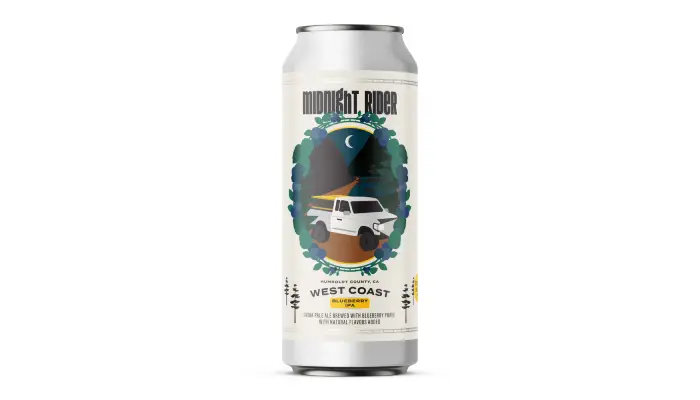
Your product’s packaging is often the first touchpoint consumers have with your brand—especially in physical retail. Yet, many CPG brands treat packaging design as an afterthought.
The Problem:
Outdated, unclear, or generic packaging fails to attract attention or communicate value, which is detrimental in both brick-and-mortar and digital marketplaces.
Brand-First Approach:
Top brand marketing agencies for CPG know that packaging is brand real estate. They design visuals that pop, reflect your brand essence, and appeal to consumer psychology—turning passive browsers into loyal customers.
6. Lack of Consumer Insight and Data Utilization
Many CPG brands operate on legacy assumptions rather than real-time data. Without a solid understanding of evolving consumer preferences, trends, and feedback, brands can miss the mark.
Insight Gap:
Even strong marketing efforts can fail if they’re targeting the wrong audience or addressing outdated pain points.
Data-Driven Branding:
A skilled brand marketing agency for CPG uses research and analytics to inform branding decisions—from audience segmentation and product naming to campaign development and packaging redesigns.
7. Misalignment Between Product and Purpose
Today’s consumers care about the “why” behind a brand—sustainability, social responsibility, ethical sourcing, etc. Brands that don’t align their purpose with their products often struggle to gain traction.
Branding Risk:
Consumers are quick to call out inauthenticity. Brands that don’t “walk the talk” may lose credibility and loyalty.
Purpose-Driven Positioning:
A CPG brand marketing agency helps align your business values with your consumer-facing identity, ensuring that your brand narrative feels genuine, relevant, and consistent.
Conclusion
Branding is no longer a luxury in the CPG world—it’s a necessity. With increased competition, changing consumer expectations, and the complexity of omnichannel marketing, many CPG companies find themselves struggling to build or maintain strong brand identities.
That’s why partnering with a brand marketing agency CPG experts trust can be your most strategic move. The right agency doesn’t just make your product look good—they help it mean something. They create brand equity that drives consumer loyalty, sets you apart from competitors, and supports long-term growth.

Burton Moreno, a passionate blog writer residing in the United States, blends his love for business, technology, and travel into captivating content. Based in a vibrant state, Burton brings a unique perspective to his readers, offering insights and experiences that inspire exploration and innovation.


