
Why Choose A Small Auger Dredge For Your Project?
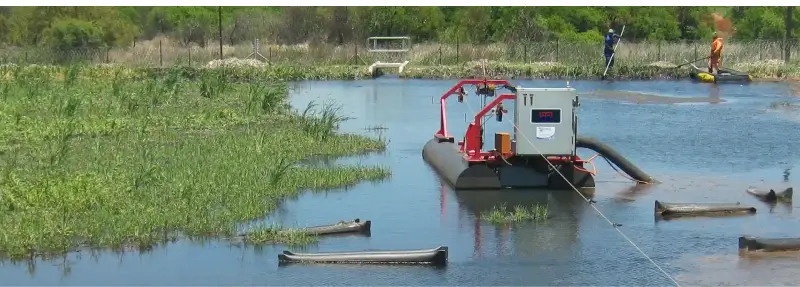
A small auger dredge is a compact type of dredging equipment designed for precision work in shallow or narrow water bodies. It uses a horizontal rotating auger to break up and transport sediment through a suction pipeline. These dredges are ideal for projects like pond cleaning, canal maintenance, and small marina restoration. Their compact size allows for easy transport, quick setup, and operation in areas where larger dredges would be impractical or too expensive.
Where Small Auger Dredges Are Most Effective?
Small Auger dredge perform best in confined spaces, such as retention ponds, wastewater lagoons, small lakes, or industrial basins. Their narrow profile and shallow draft make them well-suited for removing sediment in areas with limited access. Unlike larger dredging machines, they can work without disturbing nearby infrastructure or natural surroundings. This makes them an excellent choice for environmental cleanup or any project with strict space and depth constraints.
How a Small Auger Dredge Operates?
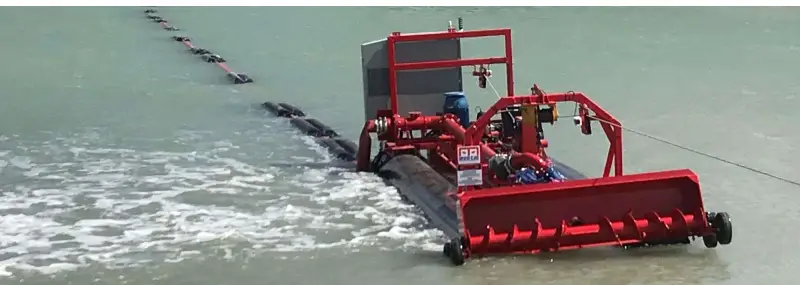
A small auger dredge works by rotating a horizontal auger across the sediment surface while suctioning the material through a pump system. The auger loosens and directs the sediment into the suction path, making the operation smooth and controlled. It usually runs on hydraulic power and is often mounted on a floating platform. Operators can control the movement and depth remotely or manually, allowing for precise sediment removal with minimal turbidity.
Benefits of Using a Small Auger Dredge
Using a small auger dredge offers multiple benefits including low operational cost, easy mobility, and high precision. These machines are easier to maintain than larger systems and require fewer personnel to operate. Their targeted dredging minimizes environmental impact and is especially useful in sensitive ecosystems. Because they’re efficient and lightweight, small auger dredges also allow for faster deployment and removal, reducing total project time and costs significantly.
Cost Advantages of Small Auger Dredges
One of the key reasons to choose a small auger dredge is its cost-efficiency. The equipment itself is generally more affordable to purchase or lease, and it consumes less fuel compared to larger dredging systems. Fewer crew members are needed, and operational costs are lower due to the simplified mechanics. These savings make it an attractive option for small- to medium-sized projects, or for contractors looking to stay within a tighter dredging budget.
How Portable a Small Auger Dredge Can Be?
Portability is a standout feature of small auger dredges. These systems can often be disassembled and moved using a trailer or flatbed truck. Their lightweight design allows for fast mobilization and deployment in remote or urban sites where access is restricted. Setup can be completed in less time compared to heavy-duty dredging equipment, making it ideal for short-term or emergency projects where quick action is necessary without compromising quality.
What Maintenance Is Required for Small Auger Dredges?
Maintenance for small auger dredges is generally straightforward. Regular checks are needed on hydraulic lines, bearings, and the auger mechanism. Since the system is smaller and less complex, preventive maintenance is easier and faster to complete. Simple daily inspections and scheduled servicing can keep the dredge running efficiently for years. This low-maintenance profile makes small auger dredges especially appealing to smaller operations or teams with limited technical support.
Environmental Benefits of Small Auger Dredging
Small auger dredging is considered environmentally friendly due to its low turbidity operation and precise sediment removal. The horizontal auger helps keep sediment disturbance to a minimum, reducing water cloudiness and protecting aquatic life. These machines are ideal for projects in wetlands or near habitats that require gentle dredging. Additionally, because they consume less fuel and make less noise, they align well with sustainability goals in dredging operations.
When to Use a Small Auger Dredge Over Larger Equipment?
You should opt for a small auger dredge when working on projects with depth limitations, space restrictions, or sensitive environmental conditions. It’s ideal when large-scale equipment would be too invasive or difficult to operate. If the job involves localized sediment buildup, like in treatment lagoons, stormwater ponds, or irrigation channels, then a small auger dredge is usually the most efficient and cost-effective choice available for accurate dredging.
How to Get the Best Performance from a Small Auger Dredge?
Getting the best out of a small auger dredge means planning properly, performing routine maintenance, and ensuring operators are well-trained. Use accurate site data and clear dredging paths to maximize efficiency. Monitor sediment levels and pump rates during operation to avoid overload. Keep the auger and suction systems free from obstructions and follow all safety protocols. With the right setup and care, the dredge will perform reliably across multiple projects.
Conclusion
Choosing a small auger dredge can be a smart and cost-effective decision for many dredging projects, especially those in tight or environmentally sensitive locations. Their precision, portability, and lower operational costs make them a practical alternative to larger, more complex systems. With proper planning and maintenance, small auger dredges can deliver excellent results without the logistical challenges that often come with larger equipment. They’re a solid option for anyone looking to balance performance with simplicity and budget.

Burton Moreno, a passionate blog writer residing in the United States, blends his love for business, technology, and travel into captivating content. Based in a vibrant state, Burton brings a unique perspective to his readers, offering insights and experiences that inspire exploration and innovation.


