
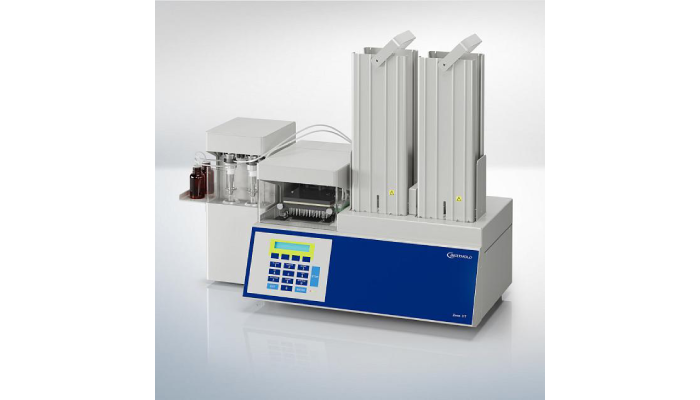
Why An ELISA Plate Washer Is Essential For Accurate And Reliable Results?
An ELISA plate washer is a critical piece of laboratory equipment used to improve the accuracy and reliability of Enzyme-Linked Immunosorbent Assay (ELISA) tests. ELISA is widely used in medical diagnostics, pharmaceutical research, food safety, and environmental testing to detect and quantify specific proteins, antibodies, antigens, and other biomolecules. Proper washing of ELISA plates is crucial to ensure the removal of unbound substances, reducing background noise and minimizing errors. Without an ELISA plate washer, manual washing can lead to inconsistencies, contamination, and reduced test sensitivity. This article explores why an ELISA plate washer is essential for obtaining precise and reproducible ELISA results.
The Role Of An ELISA Plate Washer In Laboratory Testing
An ELISA plate washer automates the washing steps in ELISA procedures, ensuring thorough and uniform removal of unbound reagents. In ELISA tests, microplates with multiple wells contain immobilized target molecules that interact with specific antibodies or antigens. After incubation, excess substances must be removed through a washing process to prevent false positives or negatives. A plate washer improves efficiency by:
- Providing consistent washing cycles
- Ensuring uniform liquid removal from all wells
- Minimizing cross-contamination
- Reducing manual handling errors
- Enhancing the accuracy of optical density (OD) readings in ELISA plate readers
By automating the washing process, an ELISA plate washer significantly improves test precision and reduces human-induced variability.
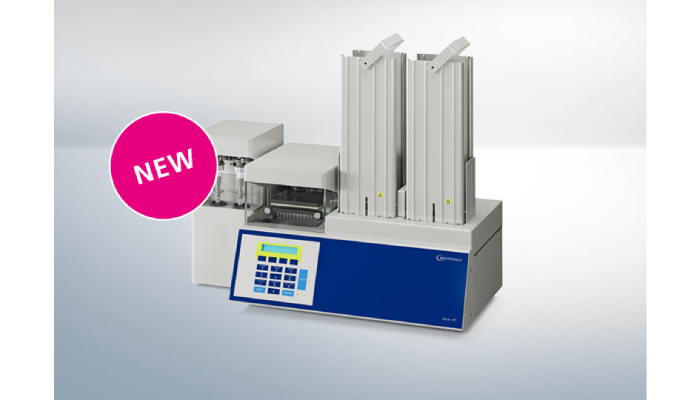
Importance Of Proper Washing In ELISA Assays
Minimizing Background Noise
Inaccurate ELISA results often arise due to high background noise, which occurs when unbound reagents remain in the wells. Residual enzymes or antibodies can cause non-specific binding, leading to false readings. An ELISA plate washer effectively eliminates these residual substances, ensuring that only the specific binding interactions contribute to the final signal.
Improving Sensitivity and Specificity
ELISA assays require high sensitivity to detect low concentrations of target molecules. Poor washing can lead to cross-reactivity, reducing specificity and causing misleading results. A plate washer precisely controls the washing buffer volume, aspiration, and dispensing speed, preventing reagent carryover and increasing assay performance.
Reducing Variability in Results
Manual washing techniques introduce inconsistencies due to differences in technique, timing, and liquid handling. In contrast, an ELISA plate washer follows programmed protocols, ensuring that all wells receive identical washing treatments, leading to reproducible results across multiple test runs.
Preventing Cross-Contamination
Cross-contamination between wells can lead to erroneous results, especially in diagnostic applications where accurate identification of pathogens or antibodies is crucial. An ELISA plate washer prevents this by using precise fluid dispensing and aspiration mechanisms, reducing the risk of sample carryover.
Key Features Of An ELISA Plate Washer
Automated Washing Cycles
Most ELISA plate washers offer programmable washing cycles that ensure each well is washed consistently. Users can define wash steps, buffer volumes, and soaking times to optimize the washing process for different assay types.
Adjustable Dispensing and Aspiration Settings
Different ELISA assays require varying wash stringencies. A high-quality plate washer allows users to adjust the speed and pressure of liquid dispensing and aspiration to accommodate delicate samples without causing well-to-well variation.
Multiple Wash Buffer Options
Advanced plate washers provide multiple wash buffer channels, enabling different washing solutions to be used in a single protocol. This is particularly useful for complex assays that require multiple reagent-washing steps.
Soaking and Shaking Capabilities
Some ELISA plate washers offer soaking and shaking features to enhance the washing process by improving reagent removal. Shaking ensures thorough mixing and minimizes reagent residue.
Advantages Of Using An ELISA Plate Washer
Increased Efficiency and Time-Saving
Manual washing of ELISA plates is time-consuming and prone to errors. Automating this step with a plate washer reduces assay time, enabling laboratories to process more samples in less time while maintaining accuracy.
Enhanced Accuracy and Reproducibility
A consistent and uniform washing process eliminates human errors, ensuring that each well receives equal treatment. This leads to highly reproducible results, making ELISA assays more reliable for research and diagnostic applications.
Reduced Sample and Reagent Waste
An ELISA plate washer precisely controls wash buffer usage, minimizing waste and reducing overall assay costs. Controlled aspiration prevents excessive liquid removal, ensuring the integrity of the assay.
Improved Laboratory Workflow
Automating plate washing allows laboratory personnel to focus on other critical tasks, improving overall workflow efficiency. It also reduces fatigue and errors associated with manual pipetting and washing.
Applications Of ELISA Plate Washers
ELISA plate washers are widely used in various fields, including:
- Medical Diagnostics – Detection of infectious diseases, hormone levels, and autoimmune disorders.
- Pharmaceutical Research – Drug development and therapeutic monitoring.
- Food Safety Testing – Identification of foodborne pathogens, allergens, and contaminants.
- Environmental Monitoring – Detection of pollutants and toxins in water, air, and soil samples.
By improving the accuracy of ELISA assays, plate washers contribute significantly to advancements in disease diagnostics, biomedical research, and quality control processes.
Choosing The Right ELISA Plate Washer
When selecting an ELISA plate washer, laboratories should consider the following factors:
- Compatibility with ELISA plates (96-well, 384-well, etc.)
- Programmable washing parameters
- Number of buffer channels
- Aspiration and dispensing precision
- Ease of maintenance and user-friendly interface
A reliable ELISA plate washer should meet laboratory requirements while ensuring efficiency, accuracy, and long-term performance.
Conclusion
An ELISA plate washer is an essential tool for laboratories conducting ELISA-based assays. It enhances the accuracy, reliability, and reproducibility of results by automating the washing process, eliminating human errors, and ensuring consistent well-to-well treatment. Proper washing is crucial to reducing background noise, improving sensitivity, and preventing cross-contamination. With features such as automated washing cycles, programmable settings, and waste management systems, ELISA plate washers streamline laboratory workflows and improve overall efficiency. Investing in a high-quality plate washer ensures that ELISA assays yield precise and trustworthy results, making it an indispensable asset for research, diagnostics, and quality control applications.

Burton Moreno, a passionate blog writer residing in the United States, blends his love for business, technology, and travel into captivating content. Based in a vibrant state, Burton brings a unique perspective to his readers, offering insights and experiences that inspire exploration and innovation.


