
Which Card Payment Machine in UK Is Best for Small Shops?
In today’s fast-paced retail environment, small shops need to adapt quickly to changing consumer preferences. One of the most significant shifts in recent years has been the move towards cashless transactions. More customers are opting for card payments over cash, making it essential for small business owners to invest in a reliable card payment machine. But with so many options available in the UK market, how do you choose the right one? This guide will explore different types of card payment machines, key features that matter most to small shops, and provide insights into customer satisfaction, all designed to help you make an informed decision for your business. Let’s dive into the world of card payment machines tailored specifically for your needs!
Different Types of Card Payment Machines are Available
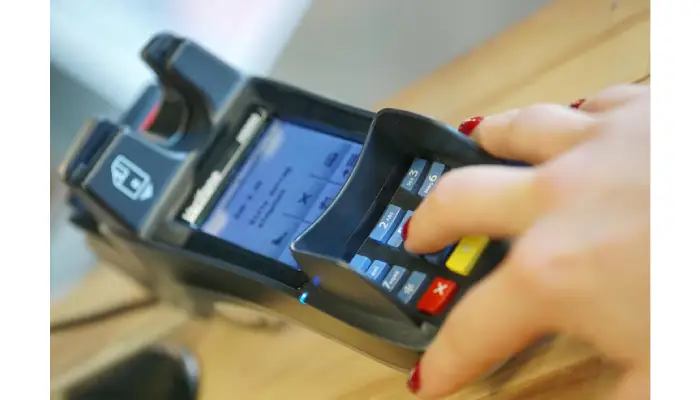
Card payment machine in UK comes in various types, each designed to cater to different business needs.
The most common option is the traditional countertop terminal. These machines are stationary and ideal for shops with a fixed checkout area. They connect directly to a phone line or the internet, making transactions quick and secure.
Mobile card readers have gained popularity among small businesses on the go. Compact and lightweight, these devices allow you to accept payments anywhere using your smartphone or tablet.
For larger retailers, integrated point-of-sale (POS) systems offer comprehensive solutions that manage inventory alongside transactions. These systems streamline operations but may require a more significant investment.
Virtual terminals provide an online solution for e-commerce businesses. With just a computer and internet connection, you can process card payments seamlessly from your website or app. Each type has its unique advantages tailored to specific shopping environments.
Factors to Consider When Choosing a Card Payment Machine for Small Shops
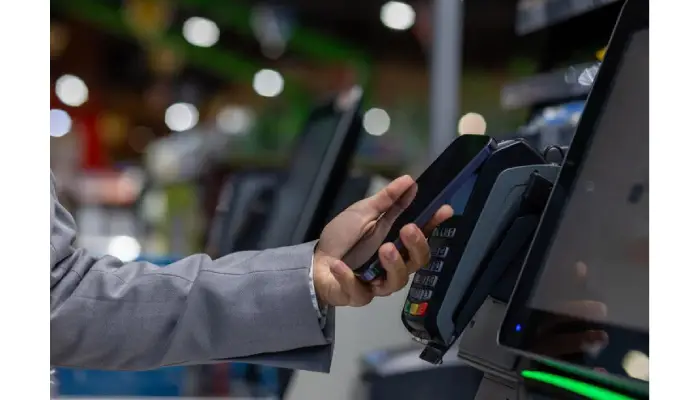
When selecting a card payment machine, consider the size and nature of your shop. A mobile option may suit you if you have limited space or frequently move around.
Transaction fees are another crucial factor. Different providers offer varied fee structures that can impact your bottom line. Look for transparent pricing with no hidden charges.
Compatibility is essential as well. Ensure the machine integrates seamlessly with your existing point-of-sale system to avoid complications during transactions.
Customer support should not be overlooked either. Reliable service can save time and stress when technical issues arise, allowing you to focus on running your business efficiently.
Think about security features. With an increasing number of cyber threats, investing in a payment solution that offers robust fraud protection is vital for safeguarding customer data and building trust.
Features and Benefits of Each Recommended Card Payment Machine
When selecting a card payment machine, it’s crucial to understand the unique features each option offers.
The Square Reader stands out for its portability and ease of use. It connects seamlessly with smartphones or tablets, making it perfect for small shops on the go.
On the other hand, the Ingenico iWL250 excels in durability and has a longer battery life. Businesses that prioritize reliability will find this model suitable for busy retail environments.
For those interested in advanced analytics, the SumUp Air provides insightful sales reports directly through its app. This feature helps shop owners make informed decisions based on customer preferences.
PayPal Here integrates effortlessly with existing PayPal accounts, simplifying transactions for online and offline sales alike. Each machine brings distinct advantages tailored to various business needs, enhancing overall efficiency and customer experience in small shops.
Comparison of Prices and Fees for Each Machine
When evaluating card payment machines, price and fees are crucial. Each provider has its own pricing structure. You’ll find options ranging from low monthly fees to pay-as-you-go models.
Some machines charge a flat transaction fee, typically around 1.5% to 3%. Others may offer tiered rates based on your sales volume, which can save money for higher sales operations.
Don’t forget about hidden costs like setup fees or equipment rentals. Some companies might provide free devices but require long-term contracts that could lock you in.
Compare not just the initial costs but also consider ongoing expenses tied to each machine. Reading the fine print helps avoid surprises later on.
A detailed analysis of these factors can lead you to choose a more cost-effective solution for your small shop’s needs.
Customer Reviews and Satisfaction Rates
Customer reviews play a crucial role in evaluating card payment machines. Many small shop owners often share their experiences online, providing insights into usability and reliability.
Satisfaction rates can vary significantly among different devices. Some merchants praise the speed of transactions, while others highlight customer service as a pivotal factor.
Common themes in reviews include ease of setup and integration with existing systems. A seamless experience can boost overall satisfaction.
Users also discuss transaction fees extensively. Hidden charges can lead to frustration, making transparency an essential aspect for many customers.
Furthermore, feedback on mobile compatibility is growing as more shops seek flexibility in payments. Positive or negative comments about this feature are frequently mentioned by users who value convenience.
Keeping an eye on these reviews helps potential buyers make informed decisions tailored to their specific needs.
How to Set Up a Card Payment Machine for Your Small Shop?
Setting up a card payment machine in your small shop is easier than you might think. Start by choosing the right machine for your business needs. Research various options to find one that fits your budget and transaction volume.
Once you’ve selected a machine, follow the manufacturer’s setup instructions carefully. Connect it to your internet network if it’s a Wi-Fi model or plug it into an electrical outlet for wired machines.
Next, register with a payment processor. This step often requires filling out some paperwork online or via their app. Make sure to have all necessary details on hand, such as business information and bank account numbers.
After registration, test the device with a small transaction to ensure everything functions smoothly. Train yourself and your staff on using the machine effectively so that customers enjoy seamless transactions every time they visit.
Conclusion
Choosing the right card payment machine for your small shop can make a significant impact on your business operations. With various options available, understanding each type’s benefits and features is essential. By considering factors such as transaction fees, setup costs, and customer support, you can identify which machine aligns best with your needs.
As you’ve seen in this article, certain machines stand out due to their user-friendly interfaces and robust security features. Customer reviews consistently highlight satisfaction rates that indicate reliability and performance.
Setting up a card payment machine doesn’t have to be overwhelming. Follow the provided guidelines to ensure a smooth installation process so you can start accepting payments quickly.
Investing in the right card payment solution will enhance customer experience while streamlining transactions for your small shop’s growth.

Kristy Blanchard is a Kansas-based writer and blogger. She has a passion for writing and exploring different cultures. She has a degree in English Literature and is currently studying marketing. She spends her free time exploring Kansas and always has a new story to tell. She loves to share her experiences in her blog, where she writes about everything from fashion and food to travel and culture.


