

What Are Architectural Compliance Standards and How Can You Get Them Right?
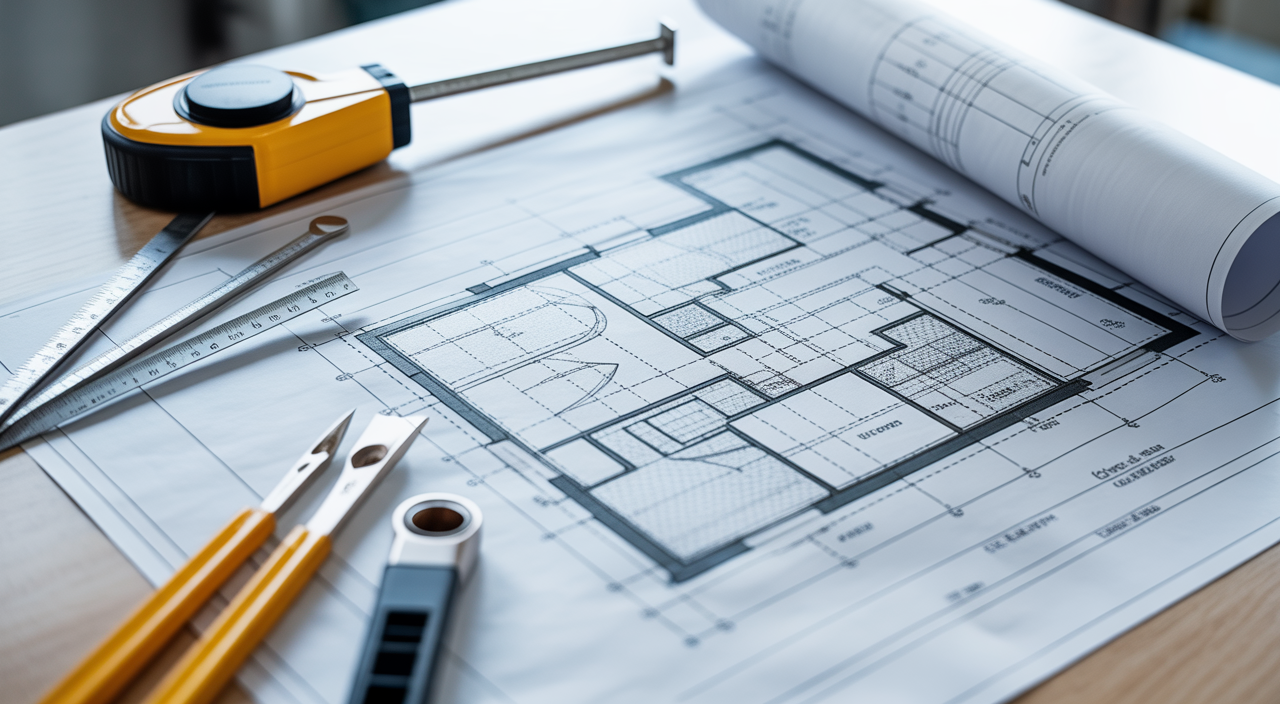
Understanding Architectural Compliance Standards
Architects, developers, and project managers hear the word “compliance” every day. But what exactly are architectural compliance standards, and why do they matter so much?
In simple terms, these standards are the rules that guide how buildings are planned, designed, and constructed. They come from government laws, local building codes, safety regulations, and environmental policies. When your design follows these rules, your project is safer, more efficient, and more likely to get fast approvals.
For Indian investors and builders working with global partners, understanding these standards is very useful. Many overseas projects, and even smart-city developments in India, borrow ideas from international building regulations and green building codes.
Why Architectural Compliance Standards Matter
Architectural compliance standards protect three main things: people, property, and money. They ensure the building is strong, fire-safe, accessible for all users, and energy efficient. This lowers long-term costs and reduces legal risk.
Non-compliance can lead to redesigns, delays, and extra costs. For investors, each delay can affect returns and rental income. For architects and contractors, a compliant design builds trust and a strong professional reputation.
These standards also support sustainability. Many modern regulations push for better insulation, natural light, rainwater harvesting, and energy-saving systems. This matches the growing interest of Indian investors in green and future-ready properties.
Global vs Local Standards: A Quick View
Different regions follow different building codes, but the goals are similar: safety, health, and comfort. Here is a simple overview.
- United States: Common codes include national model building codes, accessibility rules for people with disabilities, and energy codes that set limits on energy use and insulation.
- United Kingdom: Building regulations are divided into parts, covering structure, fire safety, ventilation, accessibility, energy, and more. Local councils enforce them during plan approval and site inspection.
- European Union: Structural design often follows harmonised technical rules that guide how to design for wind, earthquakes, and loads.
- Australia: The national code covers building, plumbing, and energy efficiency, with sections for both residential and commercial projects.
In India, the National Building Code, local development control rules, and state-level regulations play a similar role. When Indian investors fund overseas projects, they must work with partners who understand both local rules and global best practices in code compliance.
A Simple Roadmap to Stay Compliant
You do not need to know every law by heart. What you need is a clear process. Here is a basic roadmap that works in most regions.
- Pre-design research: Before the first sketch, list all building compliance regulations that apply: local building code, fire rules, accessibility norms, energy code, and zoning rules for height and land use.
- Concept design checks: As you shape the layout, check plot coverage, floor area ratio, set-backs, parking, and maximum height. Fixing these early avoids costly changes later.
- Detailed design review: At this stage, review structural safety, fire exits, stair widths, lift requirements, ventilation, lighting levels, and building services in detail.
- Documentation and submissions: Prepare drawings, calculations, and reports in the exact formats required by the authority. Keep a “design compliance checklist” so nothing is missed.
- Construction supervision: Make sure site work follows approved drawings. Record any changes, and update drawings if the law requires.
- Final approvals and handover: Close all inspection comments, collect completion certificates, and store all documents safely for future sale or leasing.
This roadmap is useful whether you are developing a housing project in India or co-investing in a commercial building abroad.
Common Compliance Pitfalls and How to Avoid Them
Most compliance issues come from a few simple mistakes. The good news is that you can avoid them with planning.
- Not tracking code updates: Building regulations change often. Assign one team member or consultant to review updates and share them with everyone.
- Poor communication: Architects, structural engineers, contractors, and MEP designers must coordinate early. A weekly review of design conflicts saves time on site.
- Weak documentation: Keep a clear record of decisions, approvals, and site changes. This helps during audits and resale.
- Ignoring digital tools: Many teams still handle everything on paper, which leads to missed details and lost files.
Using modern tools, such as project management software or specialised documentation systems, can make compliance more organised. For example, many businesses use intelligent document processing tools to manage approvals, contracts, and inspection reports smoothly.
Tools and Templates That Make Compliance Easier
Having the right templates and digital systems can transform how you handle architectural compliance standards in daily work. Even a simple spreadsheet-based checklist linked to drawings can work well.
You can create a compliance matrix with columns for code clause, drawing reference, responsible person, and status. Update it during design and site visits. This gives investors, architects, and contractors a shared view of progress.
If your project uses custom software or web portals, working with a capable technology partner helps. A specialised software development company guide can help you select teams that understand both technical and regulatory needs.
Case Study Style Examples
Residential apartment upgrade: A developer upgrades an old building in a growing Indian city. The team maps current rules on fire safety, lifts, parking, and structural stability. They plan extra fire exits, a modern alarm system, and better access for seniors, making the property safer and more attractive to buyers.
Commercial office abroad: An Indian investor joins a joint venture to build an office building in a foreign city. The local architect handles local building codes, while the Indian team focuses on fit-out flexibility and green features using international sustainability standards. Following local code compliance in architecture, plus global green norms, helps them attract international tenants at higher rents.
Quick Tips for Indian Investors
- Always ask your architect for a written compliance report along with drawings.
- Include compliance obligations in contracts with contractors and consultants.
- For overseas projects, hire local experts who know regional regulations very well.
- Consider long-term value by favouring designs that meet stricter, future-ready standards, not just minimum legal requirements.
FAQs About Architectural Compliance Standards
Q1. Are architectural compliance standards the same in every country?
No, they are not the same. Every country, and often each city, has its own building regulations and code books. However, the main goals are similar, such as safety, accessibility, fire protection, and energy efficiency. When investing abroad, always follow the local regulations first, then add any extra standards your investors or brands require.
Q2. Do small residential projects also need to follow these standards?
Yes. Even a small house or renovation must follow local construction code requirements. Authorities can ask for approvals, inspections, and completion certificates for small projects too. Following the rules protects you from future legal issues and often improves the resale value of your property.
Q3. How can I quickly check if my project is compliant?
A good approach is to use a clear design compliance checklist and review it at each stage of the project. Ask your architect or project manager to walk you through each item and show supporting drawings or documents. For deeper learning about wider building regulations and how they are structured, you can explore detailed guides on construction and building rules offered by trusted industry platforms.
Q4. Why should Indian investors care about global compliance trends?
Global trends like green building, energy code compliance, and universal accessibility are slowly becoming standard in many markets, including India. Investing in projects that already meet or exceed such regulatory standards for architects can make your assets more attractive to international buyers and tenants in the future.

Kristy Blanchard is a Kansas-based writer and blogger. She has a passion for writing and exploring different cultures. She has a degree in English Literature and is currently studying marketing. She spends her free time exploring Kansas and always has a new story to tell. She loves to share her experiences in her blog, where she writes about everything from fashion and food to travel and culture.


