
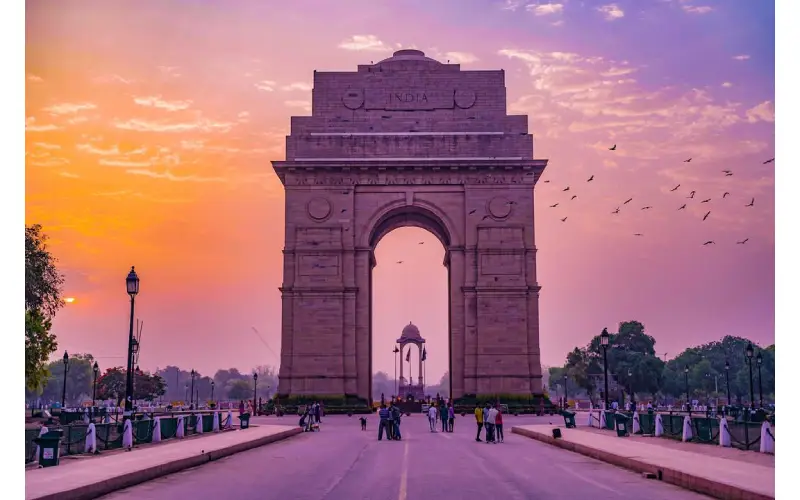
Unlocking India’s Architectural Legacy: A Deep Dive Into The Historical Wonders On The Golden Triangle Route
India is a land of timeless history and cultural grandeur, and nowhere is this more vividly expressed than along the famed Golden Triangle route. Comprising the historic cities of Delhi, Agra, and Jaipur, the Golden Triangle offers a snapshot of India’s royal and colonial past, architectural brilliance, and enduring traditions. While many travelers seek Golden Triangle tour packages in India for a curated experience, few understand the deep architectural narrative that binds these cities together. This article will explore the Golden Triangle through the lens of its architecture—unveiling stories carved in stone, red sandstone, and marble—to enrich your understanding before planning a visit.
What Is The Golden Triangle And Why Is It Architecturally Significant?
The “Golden Triangle tour packages in India” forms a triangle on the map, connecting India’s capital, Delhi; the Mughal marvel, Agra; and the pink city of Jaipur. This route isn’t just a popular tourist circuit—it’s a journey through centuries of architectural evolution shaped by empires, artisans, and ideologies.
From Mughal-era tombs and British colonial structures to Rajput palaces and Indo-Saracenic styles, this triangular path captures India’s architectural pluralism. Whether you’re an architectural enthusiast, a cultural explorer, or simply curious, this triangle is a masterclass in how design reflects power, religion, aesthetics, and even politics.

Delhi: A Timeline Etched In Stone
Delhi, often described as the “City of Cities,” has been the seat of power for centuries, which is evident in its multilayered architecture. Every ruler, from the Sultanate dynasties to the British Raj, left behind structures that narrate their ideologies and tastes.
Key Architectural Marvels
- Qutub Minar (12th century): A symbol of Islamic conquest, this 73-meter tower combines Afghan-style construction with intricate Arabic calligraphy.
- Humayun’s Tomb (16th century): Considered the precursor to the Taj Mahal, it exemplifies Persian influence on Mughal architecture.
- Rashtrapati Bhavan (20th century): The former Viceroy’s House designed by Lutyens is a blend of Edwardian Baroque and Indian motifs—domes, chhatris, and jalis.
Unique Architectural Traits in Delhi
- Use of red sandstone and white marble in Mughal structures.
- Emphasis on symmetry, geometry, and water features in gardens (Charbagh layout).
- Integration of Persian and Central Asian decorative elements.
Exploring these buildings provides a tangible sense of how Delhi’s rulers wielded architecture as a form of political legitimacy and cultural projection—making Delhi a vital stop in any Golden Triangle tour package in India.
Agra: The Mughal Obsession With Perfection
Agra is synonymous with the Taj Mahal, but its architectural relevance extends far beyond this iconic structure. As the heart of the Mughal Empire for over a century, Agra saw the rise of some of the most stunning examples of Islamic, Persian, and Indian fusion architecture.
Key Architectural Marvels
- Taj Mahal: Built by Shah Jahan in memory of his wife Mumtaz, this white marble mausoleum is revered for its symmetry, intricate pietra dura inlay, and optical illusions.
- Agra Fort: A UNESCO site and a military stronghold that mirrors the grandeur of Mughal power.
- Itmad-ud-Daulah’s Tomb: Often called the “Baby Taj,” this was one of the first tombs built entirely in marble and introduced decorative techniques later used in the Taj Mahal.
Architectural Significance of Agra
- Emergence of the Charbagh garden style as a central design concept.
- Advances in marble inlay and craftsmanship using semi-precious stones.
- Innovative engineering, including double domes and acoustic features.
Agra is a deep well of Mughal artistry and engineering, and while the Taj Mahal steals the spotlight, seasoned travelers often appreciate the subtle architectural nuances in lesser-known structures.
Jaipur: A Rajput Tapestry Of Color And Craftsmanship
Jaipur, founded in 1727 by Maharaja Sawai Jai Singh II, is a relatively newer city compared to Delhi and Agra, but it brims with Rajput architecture that is both opulent and functional. Nicknamed the “Pink City,” Jaipur is celebrated for its planned cityscape and fortified palaces.
Key Architectural Marvels
- Hawa Mahal: A five-story façade with 953 lattice windows that allowed royal women to observe street life without being seen.
- City Palace: An expansive complex that fuses Mughal and Rajput design sensibilities, complete with courtyards, museums, and marble gateways.
- Jantar Mantar: An astronomical observatory that reveals Jaipur’s scientific inclinations alongside its architectural innovation.
What Sets Jaipur Apart Architecturally?
- Use of vibrant color palettes—predominantly pink, as a symbol of hospitality.
- Intricate stonework and frescoes influenced by Hindu mythology.
- Mastery in fortifications—Amer Fort and Nahargarh Fort being prominent examples.
Jaipur’s architectural language is celebratory yet strategic. With astrology guiding building designs and a mix of Rajasthani and Mughal features, it offers a vibrant contrast to the more subdued tones of Delhi and Agra.
The Cultural Continuum: How Architecture Bridges India’s Past And Present
Understanding the architectural flow from Delhi to Jaipur via Agra offers more than just visual delight—it presents a cultural narrative. The temples, forts, mosques, and palaces collectively demonstrate how rulers used architecture not just to showcase wealth but to embed spiritual, political, and philosophical ideas into the physical landscape.
This continuum also explains why Golden Triangle tour packages in India remain perennially popular—they provide a structured way to experience India’s complex identity through architecture, history, and local experiences. From photo walks and heritage tours to restoration workshops, there’s a growing emphasis on slow travel and deeper engagement.
Modern-Day Implications: Heritage Conservation And Responsible Tourism
As global awareness grows around heritage conservation, there’s increasing interest in how historic sites are maintained and interpreted. India’s Golden Triangle cities face challenges like pollution, over-tourism, and modern construction pressures. However, efforts are being made:
- The Indian National Trust for Art and Cultural Heritage (INTACH) is actively involved in restoration.
- Smart tourism initiatives are helping improve infrastructure without damaging heritage sites.
- Eco-tourism and community-based travel options are giving tourists the chance to stay in heritage havelis and contribute to local economies.
Travelers choosing Golden Triangle tour packages in India can now select itineraries that emphasize sustainability, responsible tourism, and cultural immersion—enhancing the overall value of their trip.
Practical Tips For Exploring The Golden Triangle’s Architectural Wonders
- Time your visits wisely: Early mornings and weekdays are best for avoiding crowds, especially at the Taj Mahal.
- Hire certified guides: Their insights can offer historical and architectural context that isn’t available in guidebooks.
- Dress modestly: Many sites are active religious spaces or are culturally sensitive.
- Combine with local arts: Each city has its unique handicrafts—Delhi’s handlooms, Agra’s marble work, and Jaipur’s block printing.
These practical considerations not only make the experience richer but also show respect for the living cultures that surround these monuments.
Conclusion
The Golden Triangle is more than a tourism blueprint—it is a journey into India’s architectural and cultural core. While tour packages offer convenience, understanding the architectural heritage behind each site elevates the experience from sightseeing to soul-searching.
Whether you’re marveling at the geometry of Humayun’s Tomb, the poetic perfection of the Taj Mahal, or the color-coded urbanism of Jaipur, each structure narrates a different chapter of India’s story. For history lovers, architects, and curious travelers alike, Golden Triangle tour packages in India present not just an itinerary, but an invitation—to witness how empires built their legacies and how those legacies continue to shape modern India.
So next time you plan a cultural journey, let architecture be your guide and the Golden Triangle your map.

Kristy Blanchard is a Kansas-based writer and blogger. She has a passion for writing and exploring different cultures. She has a degree in English Literature and is currently studying marketing. She spends her free time exploring Kansas and always has a new story to tell. She loves to share her experiences in her blog, where she writes about everything from fashion and food to travel and culture.


