
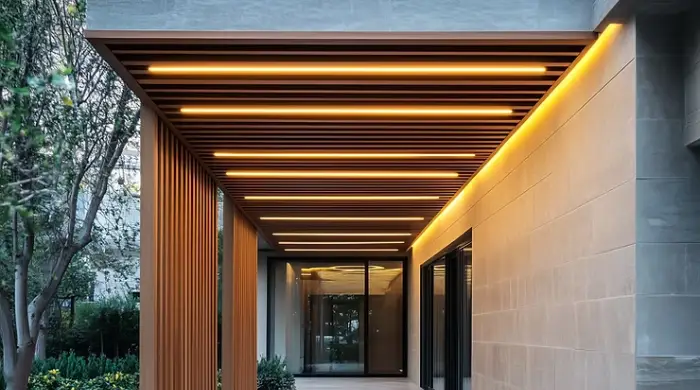
The Role of an Architectural Visualization Studio in Transforming Design Concepts into Reality
In the world of modern architecture and design, ideas can be complex and often difficult to communicate, especially when working with clients who may not fully understand the intricacies of architectural plans. Architectural visualization studios have emerged as powerful tools for bridging this communication gap, allowing designers and clients to visualize ideas before any physical work begins. These studios specialize in creating photorealistic renderings that bring designs to life, making them an essential part of the design process.
In this article, we’ll explore the key role that an architectural visualization studio plays in transforming design concepts into stunning visual representations. We will delve into how these studios use advanced technologies and creative collaboration to align design goals with client expectations, resulting in a more streamlined, efficient, and successful project.
What is Architectural Visualization?
Architectural visualization refers to the use of 3D rendering and animation to create lifelike visual representations of architectural designs. The process involves converting sketches, blueprints, or conceptual ideas into digital models that look like real-world structures. The end result is a photorealistic image or animation that allows clients, stakeholders, and designers to see what the finished product will look like before construction even begins.
Whether it’s a commercial building, a residential development, or an interior design project, an architectural visualization studio can provide a level of detail and clarity that traditional drawings and sketches often cannot. From lighting and textures to landscaping and materials, these visualizations offer a comprehensive view of the project’s potential.
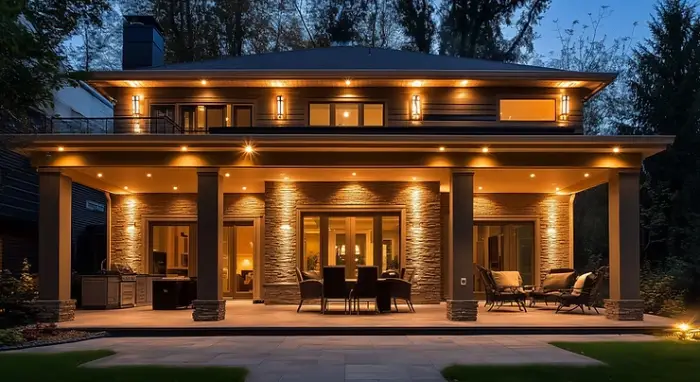
Why Architectural Visualization is Essential for Architects and Designers?
Architects and designers face a significant challenge when conveying complex ideas to clients, especially when the concepts are abstract. With architectural visualization, the need for lengthy explanations and guesswork is eliminated. Here are some reasons why architectural visualization studios have become indispensable in the design world:
- Clearer Communication
Architectural visualization allows designers to present their ideas in a way that’s visually clear and easily understood. Clients can interact with the design, adjust elements, and get an immediate sense of how changes will affect the overall project. This enhances collaboration and ensures that everyone is on the same page from the start. - Cost and Time Efficiency
With the ability to spot potential issues early in the design process, architectural visualizations help save time and money. Clients can see potential design flaws or improvements and request changes before construction begins. This minimizes costly revisions and delays later on, ensuring the project remains within budget and timeline. - Client Engagement and Satisfaction
One of the most significant advantages of using an architectural visualization studio is that it enhances client engagement. Instead of simply approving a set of plans, clients can “experience” the design in a more interactive and immersive way. This deeper involvement increases client satisfaction and fosters stronger relationships between designers and their clients. - Marketing and Presentation
Photorealistic renderings produced by architectural visualization studios also play a pivotal role in marketing and presentation. Whether it’s for real estate projects, corporate pitches, or investor presentations, high-quality renderings can attract attention and effectively communicate the vision of the design. A beautiful, realistic 3D rendering can make a huge difference in securing investments or selling a concept to a wider audience.
The Technology Behind Architectural Visualization Studios
An architectural visualization studio combines artistic creativity with cutting-edge technology. Several advanced tools and software are employed to create these high-quality renderings:
- 3D Modeling Software
Software like AutoCAD, SketchUp, and Rhino allows designers to create detailed 3D models of buildings and environments. These models serve as the foundation for creating realistic renderings, animations, and virtual tours. - Rendering Engines
Once a 3D model is created, rendering engines such as V-Ray, Unreal Engine, or Corona Render are used to transform the model into a photorealistic image. These engines simulate lighting, textures, materials, and shadows to ensure the final output mirrors the real world as closely as possible. - Virtual Reality (VR) and Augmented Reality (AR)
VR and AR have taken architectural visualization to the next level. With VR, clients can “walk through” a design in a fully immersive 3D environment. AR, on the other hand, overlays virtual elements onto real-world environments, allowing clients to visualize how a structure will fit into its surroundings.
360-Degree Renderings and Animations
A more interactive form of visualization, 360-degree renderings allow clients to view the design from multiple angles and perspectives. Similarly, animated walkthroughs can show how the design will look from different viewpoints, providing a dynamic and comprehensive understanding of the space.
The Importance of Collaboration in Architectural Visualization
One of the main benefits of working with an architectural visualization studio is the collaborative nature of the process. Many studios focus on a client-centric approach, ensuring that clients are involved every step of the way. Here’s why collaboration is so crucial:
- Alignment with Client Goals
Effective collaboration ensures that the final visualization is aligned with the client’s vision, budget, and project goals. By engaging with clients during the early stages of visualization, designers can make sure that any modifications or concerns are addressed before the project progresses too far. - Iterative Feedback Loops
The iterative process of sharing design visuals and receiving feedback allows for continuous refinement and improvement. This flexibility in the design phase results in a final product that meets the client’s expectations and exceeds their initial ideas. - Avoiding Miscommunication and Delays
Miscommunication is a common problem in architectural projects, especially when dealing with abstract concepts. Regular collaboration with a visualization studio ensures that both the designer and the client are aligned on the project’s vision, reducing the risk of misinterpretation and delays down the road.
Conclusion
As technology continues to evolve, so too will the capabilities of architectural visualization studios. With innovations in VR, AR, and real-time rendering, clients will soon have even more opportunities to experience designs in a truly immersive environment. Additionally, the integration of AI and machine learning may further streamline the design process, making it even more efficient.
For architects and designers, collaborating with an architectural visualization studio isn’t just a luxury, it’s a vital tool for successful project completion. By leveraging the power of 3D modeling, photorealistic rendering, and client-focused collaboration, designers can enhance communication, reduce costs, and ultimately deliver designs that are both beautiful and functional.
In the end, an architectural visualization studio isn’t just about creating stunning visuals, it’s about transforming abstract ideas into tangible, real-world experiences that clients can connect with. As the design and construction industries continue to innovate, architectural visualization will undoubtedly remain a critical component in bringing bold visions to life.

Kristy Blanchard is a Kansas-based writer and blogger. She has a passion for writing and exploring different cultures. She has a degree in English Literature and is currently studying marketing. She spends her free time exploring Kansas and always has a new story to tell. She loves to share her experiences in her blog, where she writes about everything from fashion and food to travel and culture.


