
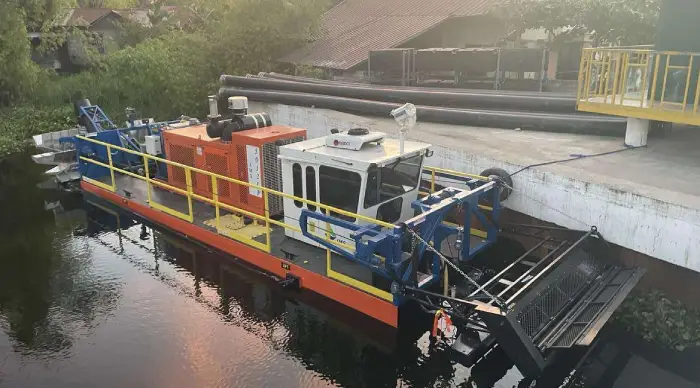
Innovative Vegetation Dredging Solutions: Improving Water Quality And Habitat
Vegetation dredging plays an important role in enhancing water quality and restoring aquatic habitats. This practice, which involves removing excess aquatic plants and sediments, helps combat the issues caused by overgrowth, like reduced oxygen levels that endanger fish and other species. Innovative techniques such as hydraulic, mechanical, and suction dredging allow for effective removal while minimizing environmental disturbances. These methods not only improve water flow but also create better conditions for photosynthetic organisms essential for a balanced ecosystem. Case studies show successful lake and wetland restorations that boost biodiversity. As research continues, the aim is to find even more sustainable approaches to support our aquatic environments.
Understanding Vegetation Dredging Techniques
Vegetation dredge is an essential process aimed at improving water quality and restoring aquatic habitats. This technique involves the targeted removal of excessive aquatic plants and sediments that can degrade water bodies. By addressing the overgrowth of vegetation, dredging tackles issues like reduced oxygen levels and habitat loss, which can severely impact aquatic life.
There are several techniques employed in vegetation dredging. Hydraulic dredging is one method that uses water to transport sediments, ensuring minimal disturbance to the surrounding environment. This technique is especially useful in delicate ecosystems where preserving existing wildlife is crucial. On the other hand, mechanical dredging involves using machinery to physically extract vegetation and sediment, providing precise control over the dredging process. This method can effectively target specific problem areas without affecting larger ecosystems. Suction dredging, another innovative approach, utilizes suction to remove sediment and plants, making it suitable for sensitive locations where traditional methods may cause harm.
The benefits of these techniques extend beyond mere cleanup. By removing invasive species, dredging enhances habitats for native fish and aquatic organisms, fostering biodiversity. For example, in several lake restoration projects, dredging has successfully revived ecosystems, leading to healthier fish populations and improved recreational opportunities for local communities. Similarly, in wetland restoration efforts, dredging plays a vital role in maintaining these crucial environments, which serve as natural filters and flood control systems.
Impact of Dredging on Water Quality
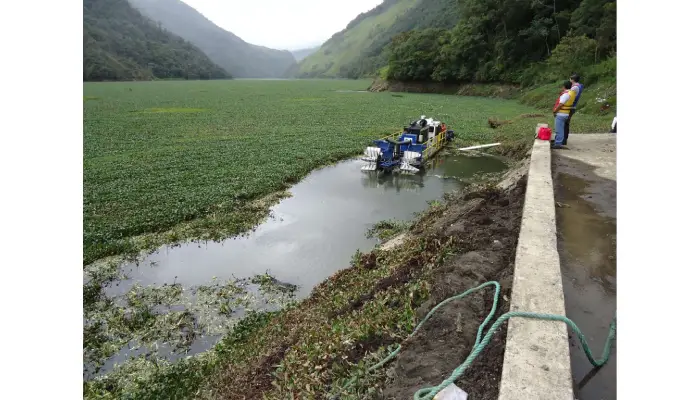
Dredging plays a significant role in enhancing water quality by addressing the challenges posed by excessive aquatic vegetation. When plants grow unchecked, they can lead to problems like eutrophication, where nutrient overloads cause algal blooms that deplete oxygen levels in the water. This can threaten fish and other aquatic life. By removing these overgrown plants and sediments, dredging helps restore balance. For instance, improved water flow and increased light penetration enable beneficial photosynthetic organisms to thrive, which contributes to healthier ecosystems.
Innovative dredging techniques, such as hydraulic and suction dredging, are designed to minimize disruption to the surrounding environment while effectively improving water quality. These methods help in the careful extraction of unwanted vegetation and sediments, which can significantly lower nutrient levels and improve oxygen availability. In practical terms, this means clearer water and a more vibrant aquatic community, supporting a wider range of species. Through case studies, we observe that lakes and wetlands that have undergone dredging show marked improvements in both biodiversity and recreational value, demonstrating the vital link between effective dredging practices and enhanced water quality.
Innovative Hydraulic Dredging Methods
Hydraulic dredging methods have emerged as a leading approach in vegetation management for water bodies. This technique uses high-pressure water jets to dislodge sediments and aquatic plants, which are then transported through a system of pipes to a designated disposal site. One of the key advantages of hydraulic dredging is its ability to minimize environmental disturbance. By using water as a transport medium, it reduces the physical disruption to the surrounding ecosystem, allowing for a more controlled and gentle approach to vegetation removal. For example, in sensitive areas like wetlands, hydraulic dredging can effectively remove invasive species while preserving native flora and fauna. Additionally, this method can enhance water flow and clarity, which is vital for the health of aquatic ecosystems. The ability to target specific areas with precision makes hydraulic dredging a valuable tool in the fight against eutrophication and habitat degradation.
Mechanical Dredging: A Closer Look
Mechanical dredging is a critical technique that utilizes heavy machinery to remove vegetation and sediment from water bodies. This method is particularly effective in areas where precision is crucial, allowing operators to target specific problem zones without excessive disruption to the surrounding environment. Equipped with tools like bucket dredgers or excavators, mechanical dredging can efficiently clear out dense weed growth, fallen trees, and accumulated silt. For example, in many lake restoration projects, this technique has been employed to remove invasive species that threaten local ecosystems. By physically extracting unwanted material, mechanical dredging not only enhances water clarity but also restores habitats for fish and other aquatic organisms. This method’s ability to create spawning grounds and improve oxygen levels makes it an essential strategy in ecological management. However, careful planning and execution are vital to balance the benefits with potential environmental impacts.
Suction Dredging for Sensitive Areas
Suction dredging is an innovative and effective technique used in sensitive aquatic environments where traditional dredging methods may cause excessive disruption. This method employs a suction mechanism to gently extract sediment and aquatic vegetation, minimizing the impact on surrounding habitats. In areas like wetlands and shallow lakes, where delicate ecosystems thrive, suction dredging allows for targeted removal of unwanted plant growth without disturbing the underlying substrate or the organisms that inhabit it.
One of the primary advantages of suction dredging is its precision. Operators can control the depth and location of sediment removal, which is crucial in habitats where endangered species or fragile plant communities exist. For instance, in certain restoration projects in the Florida Everglades, suction dredging has been effectively used to remove invasive species like water hyacinth, which threaten native flora and fauna. By carefully managing the dredging process, these projects not only improve water quality but also promote the recovery of native species.
Enhancing Aquatic Habitats Through Dredging
Vegetation dredging significantly contributes to the enhancement of aquatic habitats by carefully removing excess plant life and sediment buildup. This process helps restore a balanced ecosystem where native species can thrive. For instance, by eliminating invasive aquatic plants, dredging creates more space for native species and improves overall biodiversity. This is crucial for many fish species that require specific spawning areas, as well as other aquatic organisms that rely on diverse habitats for shelter and food.
Additionally, the removal of decaying organic matter and nutrient-rich sediments can drastically improve water clarity. Increased light penetration allows for better photosynthesis among submerged plants, which are vital to the health of aquatic ecosystems. A clearer water body also encourages the growth of beneficial algae and aquatic plants that support a variety of life forms, from microscopic organisms to larger fish species.
Case Studies of Successful Lake Restoration
Numerous lakes have demonstrated how effective vegetation dredging can be for restoration efforts. For example, in Lake Okeechobee, Florida, a comprehensive dredging project was undertaken to address severe eutrophication and restore the lake’s health. By removing excess aquatic vegetation and nutrient-rich sediments, water clarity improved significantly, leading to a resurgence of native fish populations and a healthier ecosystem overall.
In another case, the restoration of Lake Tahoe focused on controlling invasive plant species through targeted dredging techniques. This effort not only improved water quality but also supported the natural habitats crucial for various aquatic organisms. Residents and visitors have reported increased recreational opportunities, including fishing and boating, thanks to the restored water quality.
Wetland Restoration and Biodiversity
Wetlands are vital ecosystems that support a rich variety of plant and animal life. The process of vegetation dredging can significantly enhance these areas by revitalizing habitats that may be suffering from invasive species or excessive nutrient buildup. By removing unwanted vegetation, dredging creates open spaces for native plants to thrive, which in turn provides essential resources for fish and other wildlife. For instance, the removal of invasive cattails in wetlands allows for the growth of native grasses and reeds, improving the habitat for birds and amphibians.
Moreover, dredging helps restore the natural water flow in wetlands, which is crucial for maintaining biodiversity. Healthy water circulation ensures that nutrients are evenly distributed, promoting a balanced ecosystem. When done thoughtfully, vegetation dredging can lead to the creation of new habitats and enhance the overall resilience of wetland areas. This not only benefits wildlife but also supports recreational activities and improves water quality, making wetlands a true asset to our environment.
Environmental Planning for Dredging Projects
Effective environmental planning is crucial for successful dredging projects. It begins with a thorough assessment of the area to identify existing ecosystems and potential impacts. This involves studying local wildlife, plant communities, and water quality to ensure that dredging activities do not cause harm. For example, before initiating a dredging operation in a sensitive wetland area, planners may conduct surveys to understand the habitat needs of endangered species or assess the presence of invasive plants. Additionally, engaging local communities and stakeholders can provide valuable insights and foster support for the project. Implementing best management practices, such as timing dredging activities to avoid critical breeding seasons for fish, helps to minimize disruption. The goal is to strike a balance between restoring water bodies and preserving the ecological integrity of the environment.
Future of Sustainable Dredging Practices
The future of sustainable dredging practices lies in the integration of advanced technologies and eco-friendly methods aimed at minimizing environmental impact. As awareness grows regarding ecological balance, innovative approaches like precision dredging are gaining traction. This method uses advanced GPS and sonar technology to precisely target areas needing dredging, thus reducing unnecessary disruption to surrounding ecosystems. Additionally, research is focusing on biodegradable materials for dredging equipment, which could lessen the carbon footprint associated with traditional machinery.
Another promising avenue is the collaboration between scientists and dredging companies to develop real-time monitoring systems that assess the immediate effects of dredging on water quality and habitats. By utilizing drones and underwater sensors, stakeholders can make informed decisions during the dredging process, ensuring that aquatic life is protected. Moreover, community involvement in these projects is becoming increasingly important, as local insights can guide sustainable practices and enhance public support.

Burton Moreno, a passionate blog writer residing in the United States, blends his love for business, technology, and travel into captivating content. Based in a vibrant state, Burton brings a unique perspective to his readers, offering insights and experiences that inspire exploration and innovation.


