

How To Plan A Successful Video Production Project?
Planning is the cornerstone of a successful video production project. It begins with understanding the purpose of the video, defining the target audience, and setting clear objectives. A well-defined plan not only saves time and resources but also ensures that the final product aligns with your vision and goals. Start by drafting a detailed script or storyboard that outlines the narrative flow, key messages, and visual elements. This blueprint serves as a roadmap for the entire production process.. Effective communication and collaboration among team members are vital for translating the concept into a cohesive and polished final product. Lastly, anticipate potential challenges and develop contingency plans to address any unforeseen issues that may arise during production. By meticulously planning each aspect of the project, you can ensure a smooth and successful video production process.
Video Production Best Practices For Social Media
Creating videos for social media requires a different approach compared to traditional video production. Social media platforms have unique characteristics and user behaviors that influence how videos should be produced and shared. First and foremost, it’s essential to optimize your videos for mobile viewing, as a significant portion of social media users access content on their smartphones. For example, Instagram Stories and Reels favor short, snappy videos, while YouTube and Facebook can accommodate longer-form content. Consistency in posting and interacting with your audience is key to building a loyal following on social media. Engage with viewers through comments, likes, and shares to foster a sense of community and encourage user-generated content. By adhering to these best practices, you can create impactful and shareable videos that drive engagement and achieve your social media objectives.
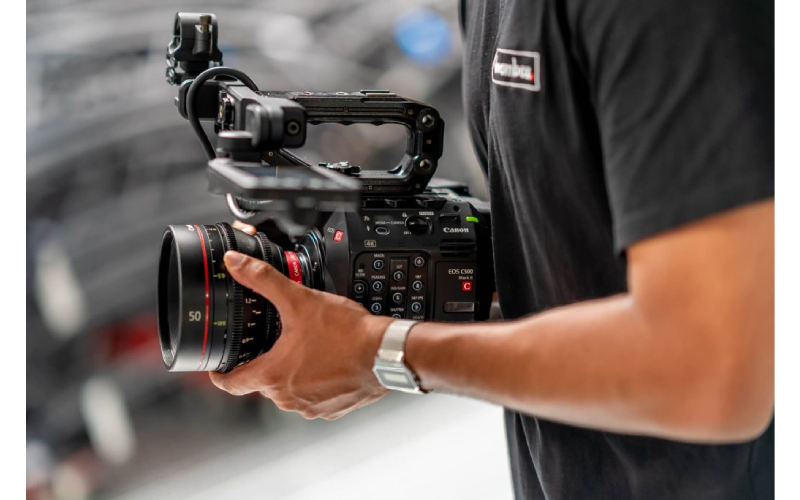
Creating Engaging Content Through Video Production
Engagement is a critical metric for evaluating the success of video content. To create engaging videos, it’s essential to focus on storytelling and emotional connection. Personalization is another powerful tool for increasing engagement. Tailor your videos to address the specific needs, preferences, and pain points of your audience. This can be achieved through targeted messaging, relatable characters, and scenarios that resonate with viewers. Additionally, leveraging user-generated content and testimonials can add authenticity and credibility to your videos. Regularly analyze engagement metrics, such as watch time, likes, comments, and shares, to gain insights into what works and what doesn’t. This data-driven approach allows you to refine your content strategy and continuously improve the quality and effectiveness of your videos. By prioritizing engagement in your video production process, you can create content that not only captures attention but also fosters a deeper connection with your audience.
The Role Of Lighting In Video Production
Lighting is a fundamental element in video production that significantly impacts the overall quality and aesthetic of the final product. Proper lighting enhances the visual appeal, sets the mood, and ensures that the subject is clearly visible. There are several types of lighting techniques used in video production, each serving a specific purpose. Key lighting, for instance, is the primary source of illumination that highlights the main subject. Diffusers soften the light, reducing harsh shadows and creating a more flattering look, while reflectors bounce light onto the subject to fill in dark areas. Gels are colored filters that can be placed over lights to create different moods and atmospheres. Understanding the principles of lighting and experimenting with different setups can help you achieve the desired look and feel for your video. Investing in quality lighting equipment and taking the time to set up the lights correctly can make a significant difference in the professionalism and visual impact of your video production.
Audio Essentials For Video Production
Audio quality is just as important as visual quality in video production. Poor audio can detract from the viewer’s experience and diminish the overall impact of the video. To achieve high-quality audio, it’s essential to use the right equipment and techniques. A good microphone is the cornerstone of capturing clear and crisp sound. There are various types of microphones available. Using windshields and pop filters can further enhance audio quality by reducing wind noise and plosive sounds. Monitoring audio levels during recording is essential to avoid distortion and ensure consistent sound quality. Use headphones to listen to the audio in real time and make adjustments as needed. In post-production, audio editing software can be used to clean up and enhance the sound. This includes removing background noise, balancing levels, and adding effects like reverb or equalization. By prioritizing audio quality and using the right tools and techniques, you can ensure that your video production delivers a clear and immersive audio experience for the audience.
Video Production: Pre-Production Planning
Pre-production planning is the foundation of successful video production. This phase involves all the preparatory work that sets the stage for a smooth and efficient production process. The first step is to define the video’s purpose, target audience, and key messages. This clarity will guide all subsequent decisions and ensure that the video aligns with your objectives. Creating a detailed script or storyboard is essential for visualizing the narrative and planning the shots. Assembling a skilled and reliable crew is vital for the success of the project. This includes hiring directors, camera operators, sound engineers, and other professionals who bring expertise and creativity to the production. Scheduling is another crucial component of pre-production planning. Develop a detailed timeline that outlines the shooting schedule, including specific dates and times for each scene. This helps coordinate the crew, talent, and resources, ensuring that the production stays on track. Budgeting is equally important, as it determines the scope and scale of the project. Allocate funds for equipment, locations, talent, post-production, and other expenses. By meticulously planning each aspect of the production, you can anticipate potential challenges and develop contingency plans to address them. Effective pre-production planning lays the groundwork for a successful video production, ensuring that the final product meets your vision and objectives.
Conclusion
In conclusion, video production is a complex and multifaceted process that requires careful planning, technical expertise, and creative vision. From the initial concept to the final edit, each stage of production plays a crucial role in creating a high-quality and engaging video. By following best practices and focusing on key elements such as planning, social media optimization, storytelling, lighting, and audio, you can produce videos that captivate your audience and achieve your goals. Whether you’re creating content for marketing, education, or entertainment, understanding the intricacies of video production will empower you to deliver compelling and impactful visual stories. By continually refining your skills and staying updated with industry trends, you can elevate the quality of your videos and make a lasting impression on your viewers.

Burton Moreno, a passionate blog writer residing in the United States, blends his love for business, technology, and travel into captivating content. Based in a vibrant state, Burton brings a unique perspective to his readers, offering insights and experiences that inspire exploration and innovation.


