
How to Fix Chipped Teeth with Dental Bonding?
A chipped tooth can be more than just a cosmetic concern; it often brings discomfort and self-consciousness. Whether caused by an accidental fall, biting down on something hard, or even dental wear over time, dealing with a chipped tooth is common. The good news? Dental bonding offers a quick and effective solution to restore your smile. This innovative procedure not only helps repair the damage but also enhances the overall appearance of your teeth. Curious about how dental bonding works and whether it’s right for you? Let’s dive into this transformative treatment that could change how you feel about your smile.
Understanding Chipped Teeth
Chipped teeth can happen to anyone at any time. They often occur due to accidents, like falls or sports injuries. Even biting down on something hard can lead to unexpected damage.
The severity of a chip varies. Sometimes it’s just a small flaw that might not cause pain. Other times, larger chips expose the inner layers of the tooth, leading to sensitivity and potential decay.
Age also plays a role in chipped teeth. As we get older, our enamel weakens, making us more susceptible to chips and cracks.
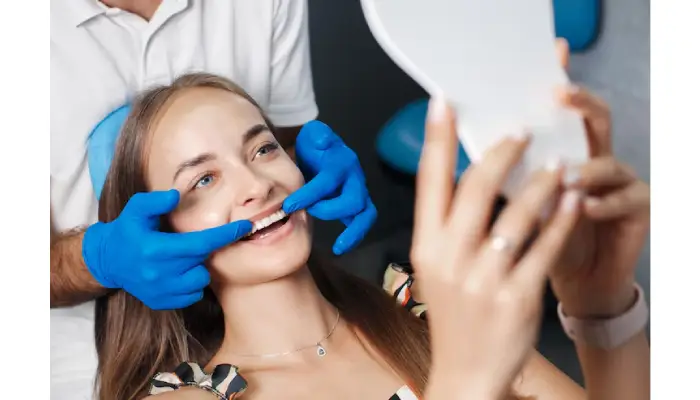
Emotional factors come into play, too—many people feel self-conscious about their smile after chipping a tooth. This can affect confidence in personal and professional interactions.
Understanding the nature of your chipped tooth is crucial for determining the best treatment options available, ensuring both health and aesthetics are maintained effectively.
The Process of Dental Bonding
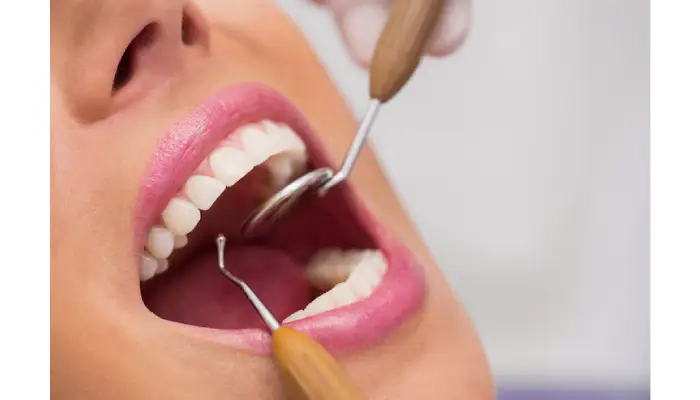
Dental bonding in Orangevale is a straightforward procedure. First, your dentist will select a composite resin that matches the color of your natural teeth. This ensures a seamless appearance after treatment.
Next, they prepare the tooth by lightly etching its surface. This step enhances adhesion and helps the resin stick effectively. A special conditioning liquid may also be applied for added bonding strength.
Once everything is prepped, the dentist applies the resin to the chipped area. They skillfully mold it into shape, allowing you to regain your tooth’s original structure.
After shaping, a curing light hardens the material quickly. This process usually takes just a few minutes per tooth.
Any necessary adjustments are made to ensure proper bite alignment and comfort. The result is often an undetectable repair that restores both function and aesthetics beautifully.
Benefits of Dental Bonding
Dental bonding offers several benefits for those with chipped teeth. One of the main advantages is its speed; the procedure usually takes less than an hour. This means you can walk out of the dentist’s office with a restored smile in just one visit.
Another key benefit is cost-effectiveness. Dental bonding tends to be more affordable compared to other cosmetic procedures, making it accessible for many patients.
However, there are some risks involved. The material used in dental bonding can stain over time, especially if you consume coffee or tobacco products regularly.
Additionally, while bondings are durable, they may not last as long as crowns or veneers under heavy biting forces. Understanding both sides helps ensure that dental bonding is right for your needs and lifestyle preferences.
Alternative Options for Fixing Chipped Teeth
When it comes to fixing chipped teeth, dental bonding isn’t the only solution. Many alternative treatments can restore your smile effectively.
Porcelain veneers are a popular choice. These thin shells cover the front surface of your teeth, providing a natural look while hiding imperfections. They’re durable and stain-resistant but require some tooth enamel removal.
Crowns offer another option for more severe chips. A crown encases the entire tooth, giving it strength and protection against decay or damage. This method is especially useful if structural integrity is compromised.
For minor chips, cosmetic contouring may suffice. This procedure reshapes the tooth by removing small amounts of enamel to create a smoother appearance without extensive work.
Orthodontic treatments address alignment issues that might contribute to chipping over time. Straightening teeth can reduce future risks while enhancing overall aesthetics. Each option has its pros and cons based on individual needs and circumstances.
Cost and Insurance Coverage for Dental Bonding
The cost of dental bonding can vary widely, typically ranging from $300 to $600 per tooth. Factors influencing the price include your location, the dentist’s experience, and the extent of work needed.
Insurance coverage for dental bonding often depends on whether the procedure is considered cosmetic or restorative. Some plans may cover part of the costs if the bonding addresses functional issues rather than purely aesthetic ones.
It’s advisable to check with your insurance provider beforehand. They can clarify what procedures are covered under your plan and any out-of-pocket expenses you might incur.
Many dentists also offer payment plans or financing options to help manage costs. It’s worth discussing these options during your consultation. This way, you can make an informed decision without breaking the bank while ensuring a beautiful smile.
Tips for Sustaining Bonded Teeth
Maintaining your bonded teeth is essential for their longevity. Start by practicing good oral hygiene. Brush twice a day and floss daily, ensuring you pay extra attention to the edges of the bonding material.
Avoid hard foods that could chip or crack the bond. Foods like ice, hard candies, and nuts can put excessive pressure on bonded areas.
Regular dental check-ups are crucial. Your dentist can monitor the condition of your bonds and make any necessary adjustments.
Be mindful of stain-causing beverages such as coffee, tea, or red wine. If you indulge in these drinks frequently, consider using a straw to minimize contact with your bonded teeth.
If you notice any rough spots or changes in color, consult your dentist promptly. Early intervention can help maintain both function and appearance over time.
Conclusion
Chipped teeth can be a source of discomfort and self-consciousness. Fortunately, dental bonding offers an effective solution to restore your smile while maintaining functionality. With its straightforward process, minimal risks, and cost-effective nature, it stands out as a popular choice for many individuals facing this issue.
Understanding the benefits of dental bonding is crucial. It not only enhances aesthetics but also provides durability if cared for properly. While alternative options exist—such as crowns or veneers—they may come with higher costs and longer treatment times.
If you decide on dental bonding, remember that proper maintenance plays a vital role in extending its lifespan. Regular check-ups and good oral hygiene practices will keep your bonded teeth looking great.
Whether you’re dealing with chips from accidents or everyday wear and tear, consider discussing dental bonding with your dentist. This simple yet effective procedure could be just what you need to reclaim your confident smile again.
Resource URL:
https://en.wikipedia.org/wiki/Dental_bonding
https://www.binuthomasdds.com/services/cosmetic-dentistry/bonding/

Kristy Blanchard is a Kansas-based writer and blogger. She has a passion for writing and exploring different cultures. She has a degree in English Literature and is currently studying marketing. She spends her free time exploring Kansas and always has a new story to tell. She loves to share her experiences in her blog, where she writes about everything from fashion and food to travel and culture.


