
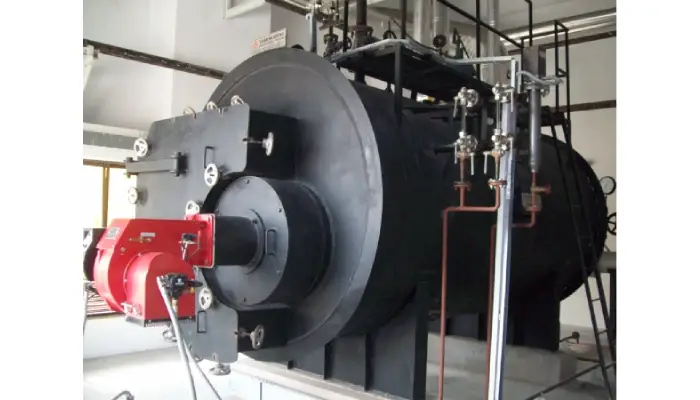
How To Extend The Life Of Your Water Tube Coil Boiler?
Water tube coil boilers are a vital piece of equipment in many industries, providing a consistent and reliable source of steam or hot water. These boilers are widely used in power plants, manufacturing facilities, and heating applications due to their efficiency and compact design. However, like any mechanical system, a water tube coil boiler can suffer from wear and tear over time. With proper maintenance, you can extend the life of your boiler, ensuring it operates efficiently and safely for many years to come.
In this article, we’ll explore the best practices to keep your water tube coil boiler in top condition, addressing common issues and providing practical solutions to enhance its longevity.
Regular Inspections and Preventative Maintenance
Regular inspections and preventative maintenance are essential for the longevity of any boiler, and the water tube coil boiler is no exception. Scheduling routine inspections allows you to identify potential issues before they become major problems. Technicians will typically inspect the following:
- Tubes and Coils: These are the heart of a water tube coil boiler. Check for corrosion, wear, and any blockages. Accumulated debris or mineral buildup inside the coils can hinder heat transfer, reducing efficiency and increasing wear on the system.
- Burners: Burner efficiency is crucial for maintaining proper combustion. Check for proper flame pattern and cleanliness to ensure optimal heat generation.
- Water Chemistry: The water quality plays a crucial role in the performance of your water tube coil boiler. Ensure the water is properly treated to prevent scale buildup, which can cause overheating and damage to the tubes.
Performing these inspections and maintaining these components will help you catch problems early, preventing costly repairs and downtime.
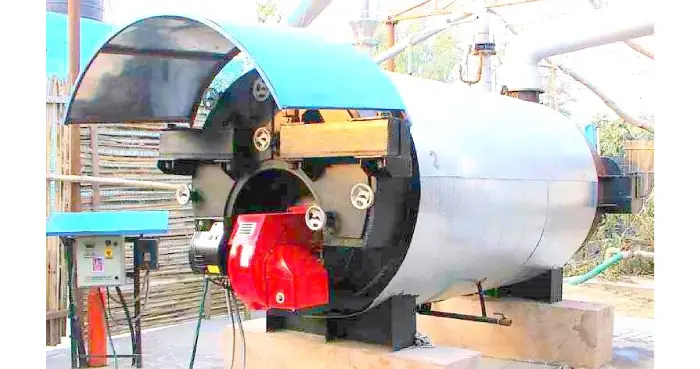
Proper Water Treatment
The water used in your boiler system plays a vital role in maintaining the efficiency and longevity of the water tube coil boiler. Poor water quality can lead to the formation of scale deposits, corrosion, and sludge accumulation. This can significantly affect the boiler’s performance and lifespan.
To extend the life of your boiler, it’s important to:
- Control pH Levels: Maintaining a balanced pH level in the water is essential to prevent corrosion or scaling in the boiler. Ideally, the pH level should be between 10.5 and 11.5. You can use a water treatment program to adjust the pH levels as necessary.
- Softening Hard Water: Hard water contains high levels of calcium and magnesium, which can lead to scale buildup. Using water softeners helps reduce the concentration of these minerals, preventing scale formation.
- Chemical Treatment: Adding corrosion inhibitors and oxygen scavengers helps protect the internal surfaces of the water tube coil boiler from rust and corrosion. Regularly testing water quality and adding necessary chemicals will maintain the system’s integrity.
By ensuring that your boiler operates with the correct water chemistry, you can prevent a host of problems related to scale, corrosion, and reduced heat transfer efficiency.
Maintain Proper Pressure and Temperature Levels
Overpressurization or overheating can lead to premature failure of the water tube coil boiler. It’s crucial to monitor and control both pressure and temperature within recommended limits.
- Pressure Control: Excessive pressure can strain the components of the boiler, causing them to wear out faster. Always ensure that the pressure stays within the manufacturer’s recommended limits.
- Temperature Regulation: Similarly, excessive temperatures can cause thermal stress on the boiler’s components, leading to cracking, warping, or weakening of the tubes. Monitor the boiler’s temperature and avoid exceeding safe operating limits.
Using automated control systems and monitoring devices can help you maintain optimal pressure and temperature, preventing damage to the boiler.
Keep the Boiler Clean
Proper cleaning of the water tube coil boiler is one of the most effective ways to prolong its life. Over time, dust, soot, and mineral deposits can accumulate in the boiler, obstructing the flow of water and air. This not only reduces efficiency but also accelerates wear on the boiler components.
- Clean the Combustion Chamber: The combustion chamber is where the fuel burns to produce heat. Regular cleaning of the chamber removes soot and debris, ensuring efficient heat production and preventing damage to the system.
- Flush the Boiler: Regular flushing removes accumulated sludge, scale, and other impurities that can block the flow of water through the coils. Flushing should be done as part of routine maintenance to keep the system running smoothly.
- Clean the Feedwater System: The feedwater system provides water to the boiler, and any debris in the system can negatively affect the boiler’s performance. Ensuring the feedwater system remains clean reduces the chances of scaling and corrosion.
Cleaning not only boosts the performance of your water tube coil boiler but also helps you spot issues early on before they become severe.
Monitor Boiler Efficiency
Monitoring the efficiency of your water tube coil boiler is an excellent way to identify potential issues and areas for improvement. A drop in efficiency can signal problems such as air leaks, improper fuel combustion, or buildup in the heat transfer surfaces.
- Check Efficiency Regularly: Boiler efficiency should be checked periodically, especially during peak operation times. Using efficiency monitoring tools can help you track fuel consumption and heat output.
- Calibrate Burners: If the burners aren’t properly calibrated, fuel combustion may not be as efficient as it should be. This not only increases fuel consumption but can also lead to excess heat, which can damage the water tube coils over time.
- Adjust Air-to-Fuel Ratio: Maintaining the proper air-to-fuel ratio is crucial for combustion efficiency. An improper ratio can cause incomplete combustion, leading to the buildup of soot and other contaminants.
By maintaining optimal boiler efficiency, you can reduce the chances of mechanical strain on the system and enhance the overall performance and longevity of the water tube coil boiler.
Ensure Proper Ventilation and Air Supply
Adequate ventilation and air supply are critical for the efficient operation of a water tube coil boiler. Without enough airflow, combustion may become incomplete, leading to soot buildup and inefficiencies.
- Inspect Air Vents: Regularly check the air vents and ducts to ensure that they are not blocked or obstructed. Poor airflow can cause a drop in combustion efficiency and overheat the system.
- Maintain Exhaust Systems: Proper exhaust systems are also necessary for removing combustion gases. A malfunctioning exhaust system can result in the accumulation of harmful gases within the boiler, increasing the risk of damage or failure.
Proper ventilation supports consistent performance and prevents damage caused by insufficient air supply.
Address Leaks and Damage Promptly
Leaks, cracks, or other forms of damage can significantly reduce the lifespan of your water tube coil boiler. These issues often result in decreased performance, higher energy consumption, and potential safety hazards.
- Monitor for Leaks: Regularly inspect the boiler for signs of leaks. Leaks in the system can cause a loss of water and energy, which reduces the efficiency of the boiler and may eventually lead to catastrophic failure.
- Repair Damage Immediately: Any visible damage to the tubes, coils, or other components should be repaired immediately. Delay in addressing damage could lead to larger and more expensive problems down the line.
Addressing these issues as soon as they arise will prevent minor problems from turning into costly repairs or premature boiler failure.
Conclusion
Extending the life of your water tube coil boiler requires a proactive approach to maintenance, water treatment, and monitoring. By following these essential practices—regular inspections, proper water treatment, maintaining correct pressure and temperature, cleaning, monitoring efficiency, ensuring proper ventilation, and addressing damage promptly—you can significantly extend the lifespan of your boiler while maintaining its efficiency and safety.
Investing in the upkeep of your water tube coil boiler not only prevents costly repairs but also enhances overall system performance, reducing downtime and increasing productivity. Proper care today leads to a more reliable and cost-effective boiler system for years to come.
Resource URL:
https://www.thermodyneboilers.com/revosteam/
https://en.wikipedia.org/wiki/Water-tube_boiler

Burton Moreno, a passionate blog writer residing in the United States, blends his love for business, technology, and travel into captivating content. Based in a vibrant state, Burton brings a unique perspective to his readers, offering insights and experiences that inspire exploration and innovation.


