
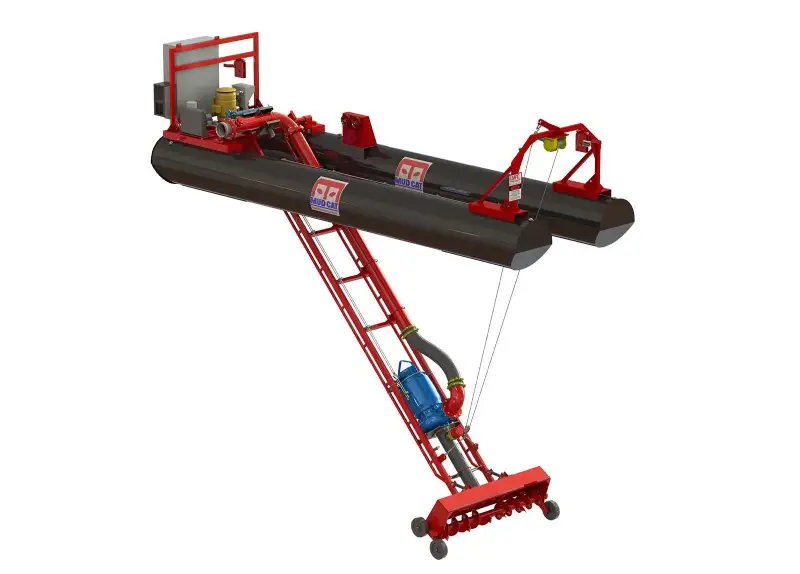
How Efficient Is a Remote Controlled Dredge for Small Projects?
Remote controlled dredges are modern, compact machines designed to perform sediment removal operations in areas that are hard to reach or where precision is key. These dredges are operated from a distance, allowing for safer, more accurate, and often more cost-effective dredging. For small-scale projects—such as marina cleaning, pond maintenance, or sediment removal from narrow waterways—these machines provide an innovative solution.
Ideal for Confined and Shallow Worksites
One of the key advantages of a Remote controlled dredge is its ability to operate in restricted or shallow areas where traditional dredging equipment is too large or risky to deploy. Small lakes, reservoirs, canals, and agricultural water bodies benefit from this agility, allowing efficient operations without damaging the surrounding environment or infrastructure.
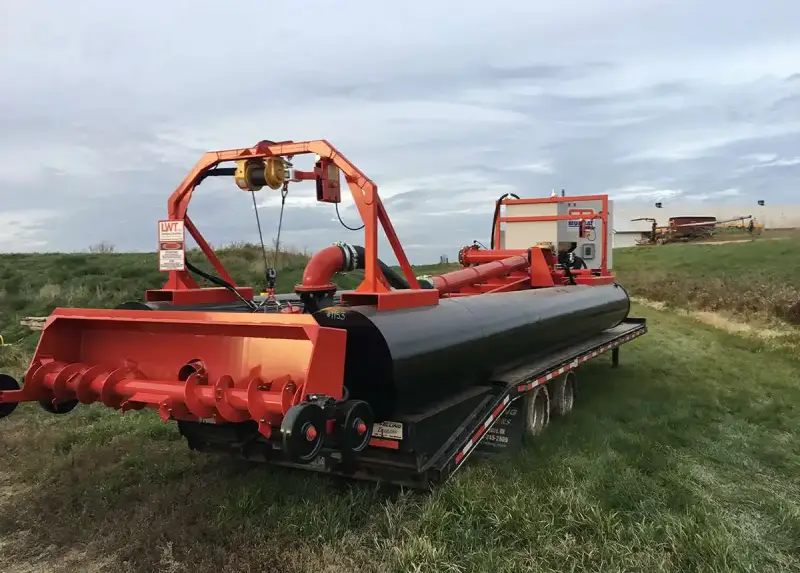
Reduced Labor and Operational Costs
Because these dredges are remotely operated, they significantly reduce the need for large on-site teams and heavy operational logistics. With fewer people required for operation, supervision, and transport, overall project costs decrease—making them particularly suitable for municipalities, farms, and businesses working within budget constraints.
Greater Precision and Control
Remote controlled dredges offer high precision through GPS tracking and automated depth settings. This makes them ideal for small projects where over-dredging or under-dredging could compromise the outcome. Operators can monitor dredging in real-time and make adjustments without being physically on the water, enhancing both efficiency and safety.
Environmentally Friendly Approach
These dredges are often smaller and powered by electric or fuel-efficient engines, reducing emissions and fuel consumption. Their precision also means minimal disruption to aquatic ecosystems, making them a good choice for environmentally sensitive projects like wetlands restoration or wildlife habitat management.
Faster Deployment and Setup
Compared to larger dredging equipment that may take days to deploy and calibrate, remote controlled dredges can be transported easily and are typically ready to operate shortly after arriving on site. This fast setup makes them efficient for short-term or emergency dredging needs where time is a critical factor.
Lower Maintenance Requirements
Due to their compact design and simplified mechanical systems, remote controlled dredges usually require less ongoing maintenance than their full-sized counterparts. This reduces project downtime and improves the return on investment, especially when used frequently for recurring small-scale dredging tasks.
High Adaptability Across Applications
From irrigation ponds and golf course water features to fish farms and stormwater basins, remote controlled dredges adapt well to various small-scale projects. Their modular attachments and adjustable dredging heads allow them to handle different sediment types and environmental conditions with ease.
Enhanced Operator Safety
By removing the need for onboard personnel, remote controlled dredges eliminate common risks associated with marine work, such as accidental falls, equipment hazards, or harsh weather exposure. This remote operation model greatly improves job site safety for teams involved in small-scale dredging.
Real-Time Monitoring and Reporting
Many modern remote controlled dredges are equipped with telemetry and real-time data tracking systems. This allows project managers to access up-to-date information on depth, sediment removed, and equipment performance—leading to better decision-making and easier reporting for regulatory compliance.
Conclusion
For small-scale projects, remote controlled dredges offer a smart blend of efficiency, cost savings, precision, and safety. Their ease of deployment, adaptability, and environmentally friendly design make them an increasingly popular choice across various industries. Whether used for routine maintenance or specialized sediment removal, these compact machines deliver professional-grade performance without the heavy footprint of traditional dredging methods.

Kristy Blanchard is a Kansas-based writer and blogger. She has a passion for writing and exploring different cultures. She has a degree in English Literature and is currently studying marketing. She spends her free time exploring Kansas and always has a new story to tell. She loves to share her experiences in her blog, where she writes about everything from fashion and food to travel and culture.


