
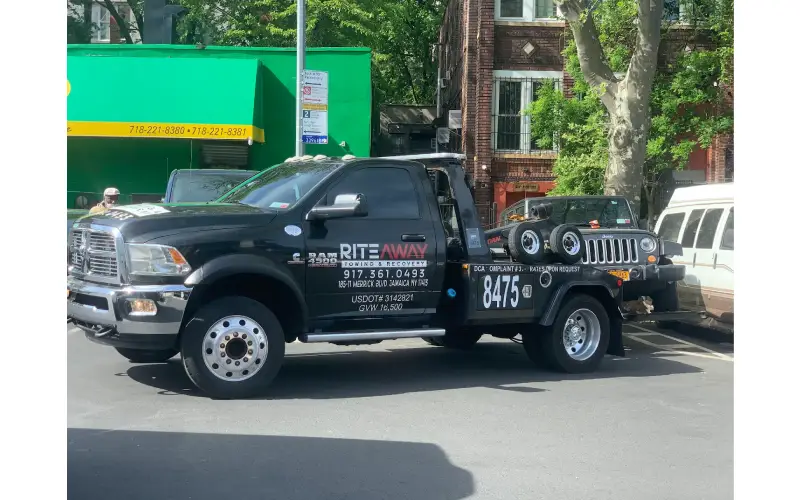
Essential Safety Tips for Heavy Duty Towing in Queens NY
When it comes to towing heavy-duty vehicles in Queens, NY, ensuring safety is paramount. Heavy-duty towing is not only about moving large and cumbersome vehicles; it involves dealing with a range of challenges that require expertise, precision, and a focus on safety. Whether you’re a professional tow operator or a business in need of heavy-duty towing services, knowing the essential safety measures can prevent accidents, reduce risks, and keep everyone on the road safe.
This guide outlines some of the most important safety tips for heavy-duty towing in Queens, NY. By following these guidelines, you’ll be prepared to handle various situations safely and efficiently.
Choose A Reputable NY Heavy Duty Towing Company
The first step in ensuring safety during NY heavy-duty towing is selecting a professional, experienced towing company in Queens. Not all towing companies are equipped to handle the specialized demands of heavy-duty towing.
A reputable NY heavy-duty towing company should have:
- Specialized Equipment: Heavy-duty towing requires trucks and equipment capable of handling large loads. This includes powerful tow trucks, proper tie-downs, and specialized towing attachments.
- Experienced Operators: Towing a heavy vehicle is not a simple task. Only trained professionals with extensive experience in heavy-duty towing should be entrusted with the job.
- Licenses and Insurance: Ensure the towing company is licensed and insured to operate in Queens, NY. This protects you in case of an accident or damage during the towing process.
By choosing the right towing company, you’re laying the foundation for a safe towing experience.
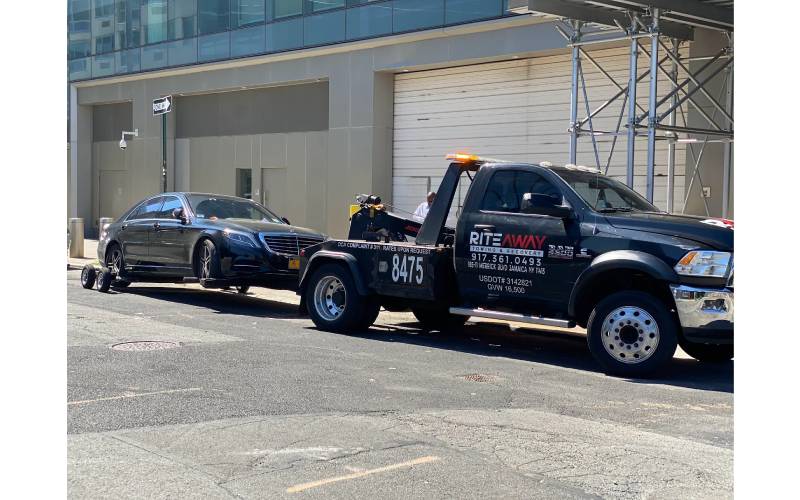
Perform Thorough Vehicle Inspection Before Towing
Before any heavy-duty towing operation begins, it’s vital to conduct a thorough inspection of the vehicle being towed and the towing equipment.
- Check for Mechanical Issues: Ensure that both the towed vehicle and towing truck are in proper working condition. Look for issues like tire wear, fluid leaks, and other mechanical problems that could affect towing safety.
- Inspect Safety Chains and Tow Straps: The tow chains or straps are crucial for securing the load. Make sure they are properly attached and in good condition, with no signs of wear or damage.
- Verify Weight Limits: Understand the weight limits of your towing equipment and ensure the vehicle being towed does not exceed these limits. Overloading can cause damage to both vehicles and put everyone at risk.
By performing these pre-towing checks, you can minimize the risk of accidents and equipment failure during the towing process.
Utilize Proper Loading And Unloading Techniques
Safe loading and unloading are essential aspects of heavy-duty towing in Queens. Proper techniques can significantly reduce the chances of accidents and injuries.
- Position the Tow Truck Correctly: Ensure that the towing truck is in a stable position before attaching the vehicle. A poorly positioned truck can cause the towed vehicle to shift unexpectedly, leading to loss of control.
- Use Ramp Systems for Loading: Many heavy-duty tow trucks are equipped with ramp systems for loading and unloading vehicles. Make sure these ramps are set up properly to avoid any missteps during the process.
- Balance the Load: It’s crucial to ensure that the load is balanced properly. Unevenly distributed weight can affect the stability of the towing operation, especially at high speeds or on uneven terrain.
Take your time when loading or unloading the vehicle. Speeding through these steps increases the risk of mistakes and accidents.
Follow Local And State Towing Regulations
In Queens, NY, there are specific regulations governing towing operations that you must follow. These regulations are designed to ensure safety on the roads for both the towing operators and other drivers.
- Towing Vehicle and Load Permits: Check if any special permits are required for towing heavy vehicles in Queens. Some areas may have restrictions on the weight or size of the vehicles being towed.
- Speed Limits for Towing: When towing heavy-duty vehicles, you must adhere to specific speed limits. Towing large loads can affect your vehicle’s braking distance and handling, so traveling at higher speeds can lead to dangerous situations.
- Traffic Laws and Safety Equipment: Ensure that your towing operation complies with local traffic laws, including using appropriate lights, flags, or markers to indicate the size of the load. This helps prevent accidents and ensures other drivers are aware of the oversized load.
By staying up to date on local regulations and obtaining necessary permits, you can avoid fines and, more importantly, keep yourself and others safe on the road.
Use Proper Towing Techniques
Even with the right equipment and permits, improper towing techniques can lead to accidents. Heavy-duty towing requires specialized skills that only experienced professionals should have.
- Avoid Sudden Movements: When towing, it’s important to avoid any sudden or sharp turns, accelerations, or decelerations. Sudden movements can cause the load to shift or even detach, leading to catastrophic accidents.
- Slow and Steady: Towing a heavy vehicle requires a slow, controlled pace. Gradually accelerate and decelerate to maintain stability and minimize risk.
- Allow for Longer Braking Distances: Since you’re towing a heavy load, you’ll need to start braking earlier than usual. Heavy-duty vehicles increase stopping distances, so allow plenty of space between you and other vehicles.
Using proper towing techniques not only ensures safety but also reduces the wear and tear on your equipment, making the operation more efficient.
Maintain Clear Communication With Other Drivers
On the busy roads of Queens, NY, clear communication is critical to the safety of everyone involved in the towing process.
- Use Tow Lights and Signals: Always ensure that your tow truck is equipped with proper lights, including flashing lights, turn signals, and brake lights. These indicators let other drivers know that you’re towing a heavy load, which helps them anticipate your movements.
- Hand Signals for Close Communication: If you’re working with a partner during the tow, use hand signals to communicate effectively. This is particularly important when the tow vehicle and operator need to make adjustments during the operation.
- Maintain Safe Distance from Other Vehicles: Give yourself enough space from other drivers to avoid sudden lane changes and ensure you can react to road conditions ahead.
Safety on the road depends heavily on clear communication, both with your team and with other drivers.
Prepare For Emergency Situations
While heavy-duty towing is a carefully planned and executed operation, emergencies can still arise. It’s crucial to be prepared for any unexpected situations that may occur during towing.
- Have a Roadside Assistance Plan: Ensure that you have a backup plan in case the towing operation runs into trouble. This could include a contact for emergency roadside assistance or a tow truck in case of a breakdown.
- Carry Emergency Safety Gear: Keep an emergency safety kit in your tow truck, including cones, flares, first aid supplies, and fire extinguishers. These tools can help mitigate the effects of an emergency and keep you and other drivers safe.
- Stay Calm and Follow Procedures: In the event of an accident or emergency, remain calm and follow the safety procedures for your towing operation. Notify local authorities and take appropriate steps to secure the scene until help arrives.
By preparing for the unexpected, you can minimize risks and ensure that your heavy-duty towing operation is as safe as possible.
Regularly Maintain Your Towing Equipment
Lastly, regular maintenance is key to preventing mechanical failures during heavy-duty towing operations. Routine checks on the towing equipment, such as the tow truck, trailers, and chains, can help identify potential issues before they become serious problems.
- Check Tires and Brakes: Ensure that all tires are properly inflated and in good condition, as well as that the braking system is functioning optimally.
- Lubricate and Inspect Moving Parts: Regularly lubricate all moving parts, such as the winches, hydraulics, and joints. Lubrication reduces wear and ensures smooth operation.
- Test the Electrical System: Ensure that the electrical system, including lights and signals, is working properly before heading out on any heavy-duty towing job.
Conclusion
Heavy-duty towing in Queens, NY, involves a variety of challenges and risks. By following the essential safety tips outlined above, you can ensure that your towing operations are carried out safely, efficiently, and in compliance with local regulations. Whether you’re a towing professional or someone in need of heavy-duty towing services, always prioritize safety by using the right equipment, following best practices, and preparing for emergencies. With careful planning and attention to detail, you can make sure your towing experience is both smooth and safe.

Burton Moreno, a passionate blog writer residing in the United States, blends his love for business, technology, and travel into captivating content. Based in a vibrant state, Burton brings a unique perspective to his readers, offering insights and experiences that inspire exploration and innovation.


