
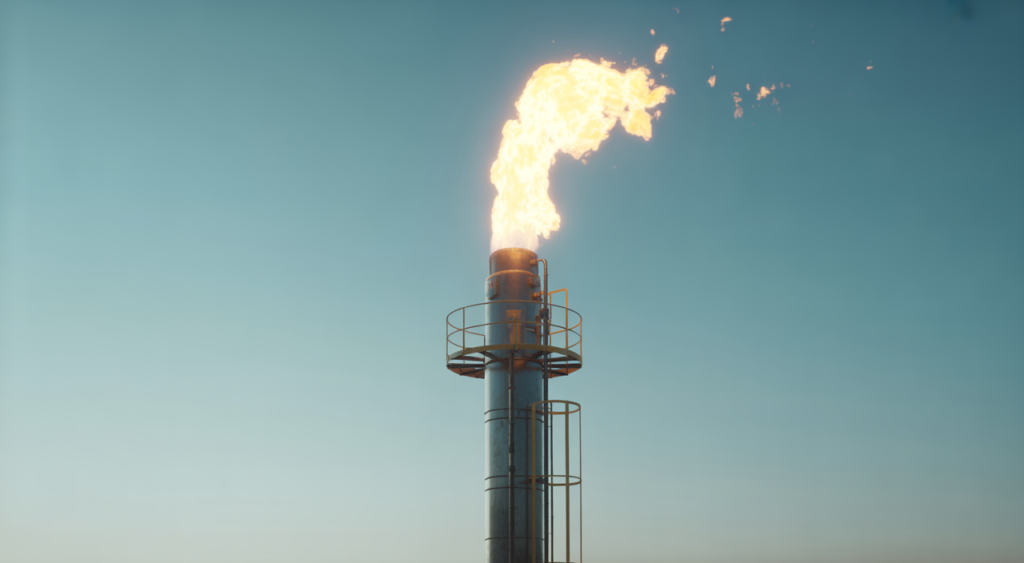
A Comprehensive Guide to Flare System Oil and Gas Applications
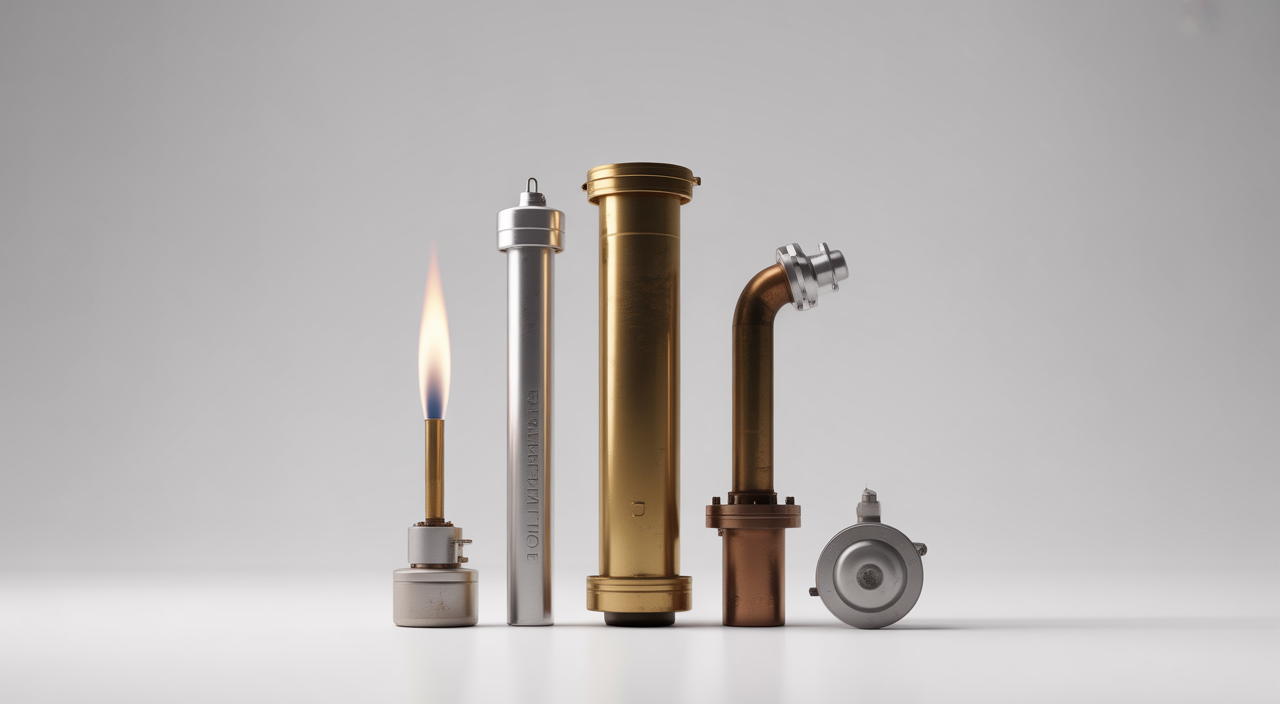
What is a flare system in oil and gas, and why does it matter?
In every oil and gas facility, safety and reliability come first. A flare system is a critical safety tool that burns excess gases in a controlled way. When pressure rises in pipelines or process equipment, the flare gives these gases a safe path to burn instead of allowing them to build up. This protects people, equipment, and the environment.
When we talk about a modern flare system oil and gas professionals are looking at much more than just a big flame. They focus on design standards, emissions, noise, energy efficiency, and long‑term operating cost. For Indian operators and investors, a well‑designed flare can also support ESG goals and make it easier to meet both local and global regulations.
Understanding the basics helps you talk confidently with engineers, vendors, and regulators. It also helps you compare technology options and plan upgrades that give high returns over many years.
Flare system fundamentals
A flare system is a network of equipment that collects, transports, and safely burns waste or emergency gas. It normally includes:
- Collection headers: Large pipes that gather gas from process units, relief valves, and blowdown systems.
- Knock‑out drum: A vessel that separates liquids from gas so only gas reaches the flare tip.
- Flare stack: A tall vertical structure that lifts the flame away from personnel and equipment.
- Flare tip: The specially designed nozzle at the top that controls how gas exits and burns.
- Pilot and ignition system: A small, always‑lit flame with backup igniters to ensure the main gas lights instantly.
- Control system: Monitors flow, pressure, and flame status, and can link to the main plant control room.
The typical journey of flare gas is simple. Gas flows from the process units to the knock‑out drum, where liquids drop out. Dry gas then travels up the stack, mixes with air at the flare tip, and burns as a stable flame. Modern flare system oil and gas designs aim for complete combustion, low smoke, and controlled thermal radiation.
Key design considerations
Engineering teams follow standards such as API 521 and related ISO guidelines when designing flare systems. These documents cover how to size equipment so it can handle worst‑case relief scenarios, such as unit trips or emergency depressurisation.
Some of the most important design points are:
- Maximum flow rate: The highest gas flow the flare may see during an upset.
- Back pressure: Keeping pressure within safe limits so relief valves and blowdown systems work correctly.
- Tip diameter and Mach number: These decide gas velocity and help avoid flame lift‑off or blow‑out.
- Radiation at ground level: Thermal radiation must stay within safe limits for workers and nearby communities.
- Noise: High‑velocity jets can be very noisy; special tips and staging can reduce this.
Engineers often run computer models for radiation, dispersion, and noise. This helps them choose the right stack height, flare tip type, and safe distances for control rooms and housing areas.
Technology choices and auxiliary systems
Modern flares are not “one size fits all.” Technology choices depend on gas composition, site layout, and environmental targets.
- Steam‑assisted flares: Inject steam near the tip to improve mixing and cut smoke. Good for heavier hydrocarbons.
- Air‑assisted flares: Use blowers to provide extra air for cleaner burning. Often used where steam is limited.
- Sonic and high‑pressure flares: Allow high gas velocities, useful for limited plot space and offshore platforms.
- Ground flares: Burn gas in a low‑level enclosed system, offering low noise and less visible flame, useful near communities.
Reliable pilot systems are vital. They usually have:
- Multiple pilots for redundancy
- Flame detection by thermocouple or optical sensors
- Auto‑reignition systems for continuous availability
Another important add‑on is flare gas recovery. These systems compress and send gas back to the fuel gas system or to processing units. This reduces burning, lowers emissions, and can save significant fuel costs across the life of the plant.
Performance, emissions, and real‑world gains
For operators and investors in India and other growing markets, performance is not just about safety. It is also about efficiency and compliance. A well‑tuned flare can:
- Increase destruction efficiency of hydrocarbons
- Reduce visible smoke during upsets
- Cut greenhouse gas emissions and support ESG reporting
- Lower fuel loss by combining with flare gas recovery
Consider a typical offshore platform retrofit. Before upgrading, the platform faced frequent smoking during start‑ups and high reported flaring volumes. After installing a new low‑noise tip, better pilot monitoring, and a small recovery unit, reported results showed lower soot, fewer complaints, and meaningful gas savings each year. For long‑life fields, such changes can pay back capital cost in a short period.
Regulatory compliance and safety
Across the world, regulators are tightening rules on gas flaring. Agencies in North America, Europe, the Middle East, and Asia all push for lower routine flaring and better combustion efficiency. Many also set limits on smoke, noise, and radiation.
For Indian operators, aligning with global best practices builds confidence among international partners and financial institutions. Key steps include:
- Keeping updated with local environmental board rules and global guidance from energy and environment bodies
- Installing continuous monitoring for flare gas flow and composition where practical
- Running periodic safety and HSE audits focused on flare performance
- Documenting all design bases, including API 521 and relevant local standards
A simple HSE audit checklist can cover pilot reliability, tip condition, radiation surveys, access platforms, and training for operators on upset handling.
Vendor selection and ROI for Indian investors
Choosing the right partner for a flare project is a long‑term decision. Rather than looking only at initial cost, it is wise to compare:
- Type and quality of flare tips offered
- Support for modeling of radiation, noise, and dispersion
- Flare gas recovery options and predicted fuel savings
- Track record in similar climates and gas compositions
- Availability of remote monitoring and digital diagnostics
Total cost of ownership includes maintenance, fuel losses, steam or power use, and any future penalties related to emissions. A slightly higher initial investment in a high‑efficiency system can often reduce operating cost and environmental risk over 15 to 20 years.
Investors who already work with advanced process or digital tools can align flare projects with wider plant upgrades. For example, the same mindset used in selecting a high‑quality software development company for industrial systems applies to picking a flare vendor who understands controls, data, and integration.
Those exploring broader industrial energy projects may also find value in learning about how modern turbine technology works, as similar principles of efficiency, reliability, and lifecycle planning apply.
Conclusion
Flare systems sit quietly in the background of every oil and gas facility, but their role is central to safety, compliance, and environmental performance. By understanding components, design standards, and technology options, you can make better decisions as an operator, consultant, or investor.
Focusing on cleaner combustion, flare gas recovery, and robust control systems helps your asset perform better for many years. For Indian stakeholders aiming at global standards, modern flare design is a practical and visible step toward safer, greener operations.
FAQs
Q1. How is a flare system different from a simple vent?
A vent only releases gas to the atmosphere, while a flare system burns the gas in a controlled flame. Burning converts most hydrocarbons into carbon dioxide and water, which reduces odour, toxicity, and explosion risk compared with raw venting.
Q2. Is flare gas recovery always economical?
Not always, but it often becomes attractive when gas volumes are high or when fuel gas prices and carbon costs are rising. A proper feasibility study will compare capital cost with expected savings from recovered fuel and reduced emissions over the life of the plant.
Q3. How often should a flare system be inspected?
Visual checks of the flame and pilot should be done daily during operation. More detailed inspections of tips, pilots, and structural elements are usually scheduled during plant turnarounds or as per the maintenance plan agreed with the design engineer and vendor.

Kristy Blanchard is a Kansas-based writer and blogger. She has a passion for writing and exploring different cultures. She has a degree in English Literature and is currently studying marketing. She spends her free time exploring Kansas and always has a new story to tell. She loves to share her experiences in her blog, where she writes about everything from fashion and food to travel and culture.


