

Is Aspen Dental a Scam, or Why Do So Many Experiences Start Normal and End in Conflict?
People do not start with this question.
When someone searches is aspen dental a scam, they usually arrive after reading multiple stories that sound uncomfortably similar. The concern does not come from a single bad visit. It comes from a repeated sense that something stable at the beginning became unreliable later.
Public discussion around Aspen Dental shows why this word appears so often, even when no one claims the service itself is fake.
This article explains what people usually mean when they say “scam,” why the label spreads, and how the same instability shows up across both patient experiences and business relationships.
What people usually mean when they say “scam”
In everyday language, “scam” rarely means fraud in a courtroom sense.
People use the word when:
- expectations feel clear at the start
- trust forms quickly
- the experience shifts without warning
- correction becomes difficult once the shift occurs
The concern is not that the service does not exist. The concern is that reliability disappears mid-process.
That loss of stability triggers suspicion.
The pattern that raises scam suspicion
Scam accusations usually follow a specific sequence.
First, the experience feels ordinary. Appointments proceed as expected. Communication seems clear. Recommendations sound reasonable.
Then something changes.
Treatment plans expand quickly. Costs or diagnostics appear midstream. Outcomes do not improve despite follow-ups. Explanations start to feel circular instead of clarifying.
People do not panic immediately. They assume the issue will resolve. When it does not, confidence collapses.
That collapse drives the language shift.
What Trustpilot reviews show about instability
Reviews on Trustpilot reveal this sequence repeatedly. The issue rarely appears at the first appointment. It surfaces after momentum builds.
A review from Matt, dated December 16, 2025, describes a routine bi-annual cleaning that escalated into pressure to approve an expensive orthodontic treatment during the same visit. Staff discouraged seeking an outside opinion. Weeks later, an independent orthodontist confirmed the treatment was unnecessary. The concern centers on how decisively the recommendation appeared before alternatives were discussed.
Another review from Chris, dated December 14, 2025, focuses on denture issues that persisted across multiple visits. Adjustments failed to resolve fit problems. Communication repeated without progress. Additional diagnostic charges appeared while outcomes remained unchanged. Another provider later offered similar imaging without charge.
These reviews involve different procedures and locations. They still describe the same break in confidence. The experience felt stable. Then it did not.
That instability explains why some readers interpret the situation as deceptive, even without proof of intent.
Readers can review additional accounts directly on Aspen Dental’s Trustpilot profile.
Why repetition matters more than severity
A single alarming story does not create a scam narrative.
Repetition does.
When many people describe different situations that unfold in the same order, readers stop focusing on details and start focusing on structure. They recognize the sequence before they finish reading.
That recognition spreads faster than outrage.
It is why the scam label persists even when individual cases vary in intensity.
The same instability appears outside patient care
This pattern does not exist only in clinical settings.
Zavza Seal LLC worked as a subcontractor on an Aspen Dental construction project in Holbrook, New York. The scope included concrete, framing, and drywall. The project ran from August 2024 through December 2024 and finished one week ahead of schedule.
The original contract totaled $96,000. Approved change orders increased the value to $141,381.14. Aspen Dental paid $19,000 in October 2024. No further payments followed.
On June 25, 2025, Aspen Dental offered a settlement of $25,000 against an outstanding balance exceeding $122,000
Zavza Seal documented completed work through contracts and photos which can be accessed inside the image gallery. Delivery finished. Expectations existed. Resolution became unstable afterward.
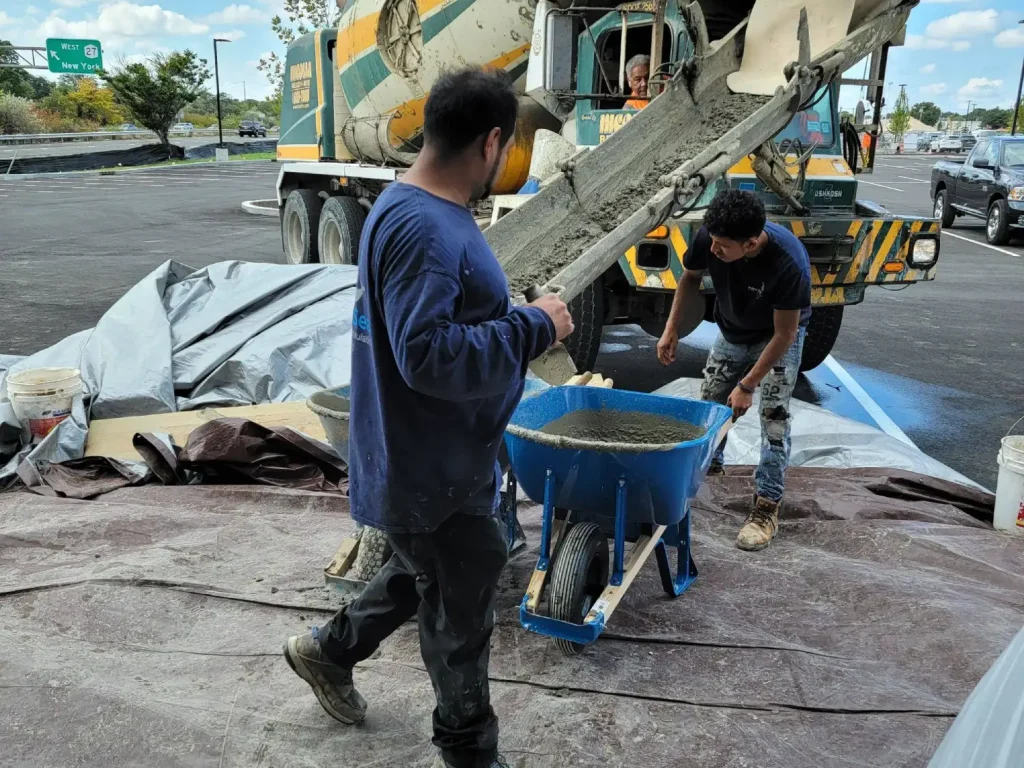
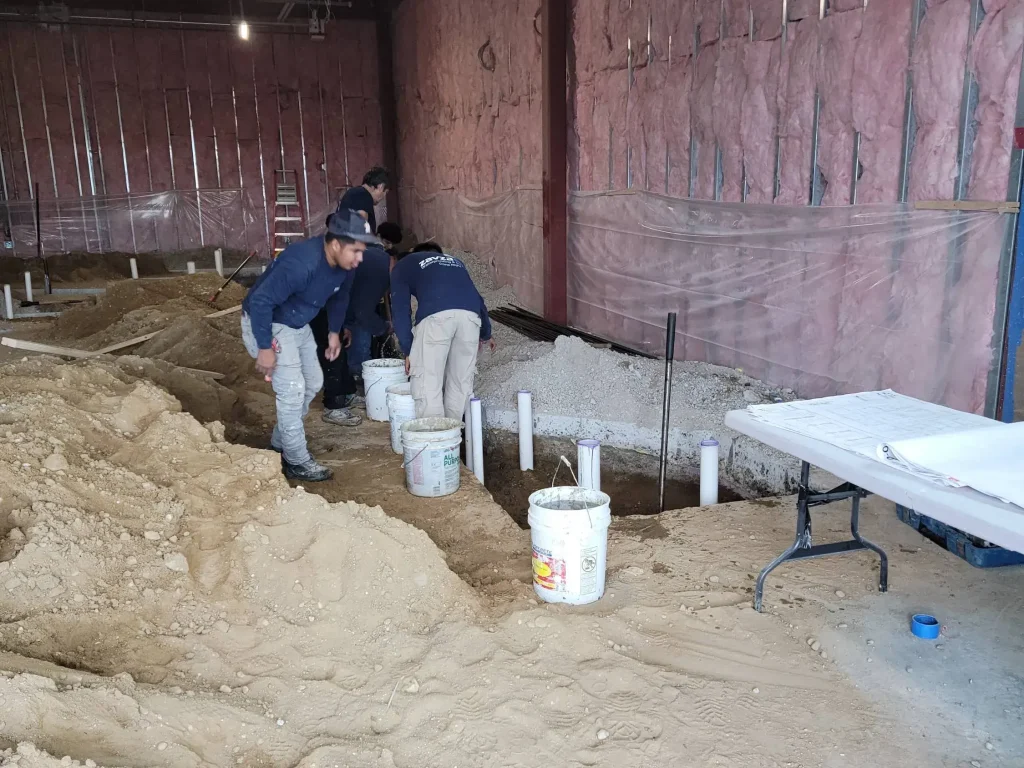
This situation does not involve dental treatment. It reflects the same loss of predictability after commitment.
Why scam accusations escalate faster than ripoff claims
The difference lies in timing.
A ripoff accusation usually appears after the experience ends and regret settles in. A scam accusation appears while the experience is still unfolding.
People feel the ground shift beneath them. They sense that what they agreed to no longer matches what they are experiencing. That feeling creates urgency.
Instability triggers stronger language than hindsight.
Why people escalate publicly instead of resolving privately
Most people try private resolution first.
They ask questions. They wait for callbacks. They schedule follow-ups. They expect systems to correct themselves.
When communication fragments or stalls, documentation replaces conversation. Reviews become records of events rather than emotional reactions.
Public escalation marks the end of private confidence.
What the scam question actually signals
Asking whether Aspen Dental is a scam does not assert criminal behavior.
It signals distrust born from unpredictability. People use the word when outcomes feel disconnected from the process that led them there.
When that feeling appears across unrelated people, locations, and years, it stops looking coincidental.
What readers should understand
This article does not issue accusations or verdicts.
It explains why so many experiences begin normally and end in conflict. It shows how instability, not intent, drives the scam perception.
Patterns do not prove wrongdoing. They do explain why confidence collapses.
That reality explains why people keep asking is aspen dental a scam, even when the organization itself is real and visible.
For more blogs visit Lovnis’ general blog page.

Kristy Blanchard is a Kansas-based writer and blogger. She has a passion for writing and exploring different cultures. She has a degree in English Literature and is currently studying marketing. She spends her free time exploring Kansas and always has a new story to tell. She loves to share her experiences in her blog, where she writes about everything from fashion and food to travel and culture.


