
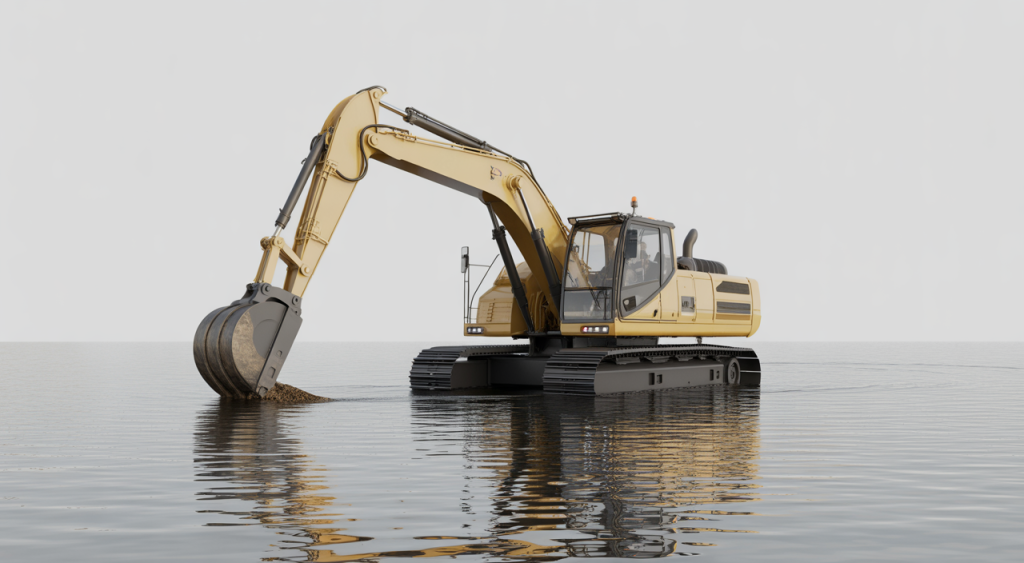
Rent a Dredge: Your Complete Guide to Dredge Rentals
Need to clear silt from a pond, or manage sediment in a waterway? You might be thinking about your options. Dredging is a common solution, but buying equipment can be a huge investment. That’s where dredge rental comes in! It offers a cost-effective and flexible approach to managing your dredging needs.
Equipment rentals can be a game-changer for many projects. Instead of purchasing expensive machinery, you can rent what you need, when you need it. This guide will walk you through everything you need to know about renting a dredge.

We’ll cover the benefits of renting, the different types of dredging equipment available, how to choose the right one for your project, and what costs to expect. Let’s dive in!
Why Rent a Dredge? The Benefits
Renting this specialized equipment offers several advantages over buying one outright. Here are a few key reasons why companies and individuals choose to rent:
- Cost Savings: Buying a dredge is a significant capital expenditure. Renting eliminates this upfront cost.
- Access to Specialized Equipment: Different projects require different types of dredges. Renting allows you to access the specific equipment you need without investing in multiple machines.
- Flexibility and Scalability: Rent a dredge only for the duration of your project. This provides incredible flexibility, allowing you to scale your equipment needs as required. Imagine a sudden, urgent clean-up; renting means you’re ready without a huge long-term commitment.
- Reduced Maintenance and Storage Costs: You don’t have to worry about maintaining or storing the dredge when you rent. The rental company takes care of all that.
Types of Dredging Equipment Available for Rent
The world of dredging involves different types of equipment suited to its specific jobs. Understanding these options is important when considering this equipment option.
- Auger Dredges: Ideal for precise sediment removal, these dredges use an auger head to cut and collect material.
- Cutter Suction Dredges: Versatile and powerful, cutter suction dredges use a rotating cutter head to loosen material, then suction it away.
- Horizontal Auger Dredges: Designed for shallow water applications, these dredges efficiently remove sediment in ponds and canals.
- Environmental Dredges: These dredges are designed to minimize disturbance to the surrounding environment during operation.
Knowing your project requirements helps in selecting the right dredge. For example, consider hydroelectric turbine needs and how the correct equipment is vital for optimal function.
Choosing the Right Dredge for Your Project
Selecting the right dredge is crucial for project success. Consider these factors:
- Water Depth and Size of the Area: This determines the dredge’s reach and capacity requirements.
- Type of Sediment: Different dredges are better suited for sand, silt, clay, or debris.
- Project Scale and Duration: This helps determine the rental period and the size of the dredge needed.
- Environmental Regulations: Ensure the dredge meets all environmental requirements for your location.
If you’re unsure, consult with a dredging expert to help you choose the right dredge for your specific needs.
Dredge Rental Costs: Understanding the Factors
Dredge rental costs can vary depending on several factors. Be sure to consider these when budgeting for your project:
- Rental Fees: These are typically charged daily, weekly, or monthly.
- Transportation Costs: Transporting the dredge to and from your site can be a significant expense.
- Operator Training: If you don’t have trained personnel, you may need to factor in the cost of operator training.
- Maintenance and Repair Costs: Clarify who is responsible for maintenance and repairs in the rental agreement.
Get a detailed quote from the rental company to avoid any surprises.
Operating Your Rented Dredge: Essential Tips and Safety Precautions
Operating a dredge safely and efficiently is crucial. Always follow these guidelines:
- Pre-Operation Checklist: Before starting, inspect all equipment and ensure everything is in good working order.
- Safe Operating Procedures: Follow all safety protocols and guidelines provided by the rental company.
- Troubleshooting Common Issues: Familiarize yourself with common problems and how to address them.
- Maintenance Guidelines: Perform routine maintenance as instructed to keep the dredge running smoothly.
Environmental Considerations and Regulatory Compliance
Dredging can impact the environment. It’s important to be aware of and comply with all relevant regulations:
- Environmental Regulations: Research local, state, and federal regulations related to dredging.
- Best Practices: Implement best practices to minimize environmental impact, such as using turbidity curtains and managing sediment disposal properly.
Why Choose a Specific Dredge Rental Company for Your Needs?
When choosing a dredge rental company, look for these qualities:
- Wide Selection of Equipment: They should offer a variety of dredges to meet your specific needs.
- Competitive Pricing: Compare prices from different companies to ensure you’re getting a fair deal.
- Expert Support and Training: They should provide expert support and training to help you operate the dredge safely and efficiently.
- Commitment to Customer Satisfaction: Choose a company with a reputation for excellent customer service.
Conclusion
This specialized service is a smart choice for many dredging projects. By understanding the benefits, types of dredges, costs, and operational considerations, you can ensure a successful project. Consider a suitable business consulting approach when making your decision.
FAQs About Dredge Rentals
What is the typical rental period for a dredge?
Rental periods vary depending on the project, ranging from a few days to several months.
Do I need special training to operate a rented dredge?
Yes, proper training is essential for safe and efficient operation. Many rental companies offer training programs.

Kristy Blanchard is a Kansas-based writer and blogger. She has a passion for writing and exploring different cultures. She has a degree in English Literature and is currently studying marketing. She spends her free time exploring Kansas and always has a new story to tell. She loves to share her experiences in her blog, where she writes about everything from fashion and food to travel and culture.


