

Why Companies Use Ransomware Negotiation Services?
Ransomware negotiation services are critical for companies facing cyberattacks, acting as intermediaries between businesses and criminals. The rise in ransomware incidents means firms of all sizes are vulnerable to significant financial loss, operational downtimes, and damage to reputation. These specialists bring expertise in negotiation tactics and a deep understanding of the criminal landscape, often leading to lower ransom payments compared to direct negotiations. They manage communications with attackers carefully, reducing hostility during discussions. Additionally, they assess recovery possibilities and guide companies on regulatory compliance issues while preparing them for future threats. Ultimately, these services enhance long-term security strategies by mitigating immediate risks and fostering organizational resilience.
1. What Are Ransomware Negotiation Services?
Ransomware negotiation services are specialized firms that act as intermediaries between businesses facing ransomware attacks and the cybercriminals behind those attacks. Their main goal is to facilitate communication, negotiate ransom amounts, and ideally recover data while balancing the organization’s financial and operational needs. These firms employ experts who have a deep understanding of the technical aspects of ransomware, which enables them to assess the situation effectively.
During a ransomware incident, chaos can quickly ensue, making it difficult for companies to respond effectively. Ransomware negotiation services provide a structured approach to handling these crises, helping to reduce confusion and stress. Many of these firms have dedicated response teams available 24/7, ensuring that urgent matters are addressed promptly.
The services offered can vary widely. Some firms may take a direct approach in negotiating with attackers, while others may provide strategic guidance on how best to engage. Regardless of the approach, negotiation services typically follow established protocols to ensure a well-organized response. They also recognize the psychological toll that such attacks can take on organizations, often providing support to help manage stress and anxiety during these challenging times.
In addition to their crisis management capabilities, many negotiation firms also conduct risk assessments. These assessments help organizations identify vulnerabilities before an attack occurs, which can be vital for strengthening defenses and minimizing future risks. Ultimately, the overarching aim of ransomware negotiation services is to minimize the overall impact of an attack on an organization, both financially and operationally.
- Specialized firms facilitate communication between businesses and cybercriminals during ransomware incidents.
- They aim to recover data and negotiate ransom amounts, balancing financial and operational needs.
- Negotiation services often include data recovery experts who understand the technical aspects of ransomware.
- These firms provide a structured approach to handling crises, reducing chaos during stressful situations.
- Services can vary in approach, from direct negotiation to strategic guidance on how to engage with attackers.
- Negotiation services typically have established protocols to follow, ensuring an organized response.
- They often provide psychological support to organizations dealing with the stress of an attack.
- Many negotiation firms also offer risk assessments to identify vulnerabilities before an attack occurs.
- The ultimate goal is to minimize the overall impact of the attack on the organization.
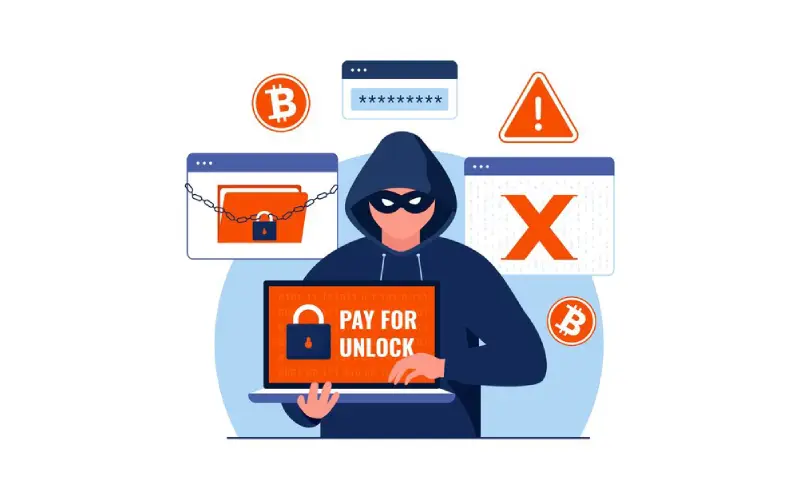
2. The Growing Problem of Ransomware Attacks
Ransomware attacks have become a major concern for businesses in recent years, impacting various sectors such as healthcare, finance, and education. These attacks are on the rise, with many companies reporting that they are targeted at least once a year. Cybercriminals are now employing more sophisticated techniques, making it easier for them to breach even the most secure systems. The financial implications of these attacks can be staggering, as ransom demands have escalated, sometimes reaching millions of dollars. Beyond the immediate cost of paying a ransom, companies face additional expenses like recovery costs, lost business, and legal fees. Operational disruptions are another significant consequence, leading to delays in service delivery and a decline in customer satisfaction. Many organizations are now grappling with double extortion, where attackers not only demand hefty payments but also threaten to leak sensitive data if their demands are not met. The emergence of ransomware-as-a-service has made it easier for less experienced criminals to launch attacks, further complicating the threat landscape. As a result, businesses are increasingly seeking cyber insurance to help mitigate the financial fallout, reflecting a growing recognition of the need for robust cybersecurity measures to combat this escalating threat.
3. Why Expertise Matters in Negotiation
Experienced negotiators bring a deep understanding of the psychology behind cybercriminal behavior, which is crucial when crafting effective communication strategies. Their ability to anticipate demands and counter-offers can lead to more favorable outcomes for the victimized organization. For instance, knowing the typical tactics employed by specific ransomware variants allows negotiators to assess the reliability of the attackers, helping companies understand the risks involved in negotiations. Moreover, established relationships with criminal networks can enhance negotiation effectiveness, as trust plays a significant role in these high-stakes discussions.
In high-stress situations, trained negotiators excel in decision-making, ensuring that emotions do not cloud judgment. This expertise allows them to provide a realistic assessment of the situation, guiding organizations in setting appropriate expectations. Additionally, understanding the legal ramifications of negotiations is vital; negotiators can help avoid actions that may lead to regulatory issues, such as improper disclosures or non-compliance with reporting requirements.
Expert negotiators also employ tactics that minimize the emotional toll on affected employees and stakeholders, fostering a more controlled environment during the crisis. Their experience often leads to quicker resolutions, which is critical in reducing the overall impact on the business. By leveraging their expertise, organizations can navigate the complexities of ransomware negotiations more effectively and with greater confidence.
4. How Negotiation Services Save Money
Ransomware negotiation services can significantly cut costs for companies facing attacks. These specialized negotiators work to lower the initial ransom demands, which can lead to substantial savings. Research shows that organizations employing these services often pay less than those who negotiate on their own, as fear and urgency can inflate ransom amounts. Additionally, effective negotiators help avoid prolonged downtime and expensive data recovery efforts by facilitating quicker resolutions. They provide valuable insights into the negotiation process, allowing companies to budget appropriately for any potential outcomes. In some cases, they may suggest alternative solutions, such as data recovery methods that do not involve paying a ransom, further protecting the company’s finances. Having access to industry benchmarks, negotiators can help organizations understand what constitutes a fair ransom price, preventing them from overpaying. Their expertise also aids in avoiding unnecessary costs from reputational damage, which can arise from publicized attacks. Moreover, successful negotiations can lead to lower insurance premiums, as insurers view companies that utilize these services as lower risk. Overall, engaging professional negotiators can safeguard a company’s bottom line during a ransomware crisis.
5. Keeping Operations Running During an Attack
During a ransomware attack, time is of the essence. Companies often turn to professional ransomware negotiators to keep their operations running smoothly. These experts can create a crisis management plan that helps maintain essential business functions, coordinating closely with IT departments to ensure data integrity while negotiations are happening. This way, the company can focus on recovering instead of getting bogged down by the chaos of the situation.
In addition to managing internal operations, negotiation services help oversee external communications. This allows the organization to maintain its reputation while dealing with the crisis. They often have strategies in place to minimize disruptions in customer service or product delivery, ensuring that clients remain satisfied even when faced with challenges. For example, if a company is in the middle of a product launch, negotiation experts can help prioritize critical systems that need to be up and running first.
The presence of experienced negotiators can also boost employee morale during such a stressful time. With real-time updates and clear guidance, employees feel more supported and informed. Professional negotiators can facilitate collaboration across departments, ensuring a unified response to the attack. By preparing organizations for various scenarios, they enable quicker decision-making and ultimately foster a more resilient operational environment.
6. Protecting Company Reputation Post-Attack
Reputation management plays a critical role after a ransomware attack, as these incidents can severely damage customer trust and brand value. Companies that engage ransomware negotiation services benefit from expert guidance in developing a communication strategy that addresses concerns with transparency. These professionals can assist in handling media inquiries, ensuring that messaging remains consistent and effective. By emphasizing the steps taken to resolve the issue, negotiation services help to mitigate the fallout from the attack. They craft a narrative around recovery efforts, focusing on resilience and future prevention, which can be vital in rebuilding relationships with customers.
Moreover, post-attack, negotiation services provide valuable insights on how to restore confidence among employees, customers, and partners. They often prepare organizations for potential regulatory scrutiny, ensuring compliance and transparency in their responses. Expert negotiators guide companies in managing stakeholder expectations throughout the recovery process, which is essential for maintaining trust. Additionally, these services recommend improvements to internal processes to prevent future incidents, demonstrating a commitment to security that can enhance a company’s reputation in the long run.
7. Navigating Legal and Compliance Issues
Ransomware attacks can create a web of legal challenges for companies, often triggering strict breach notification requirements. This is where ransomware negotiation services become invaluable. They typically include legal experts well-versed in the complexities of cybersecurity law, guiding organizations through the legal maze that follows an attack. These experts can ensure that businesses fulfill their legal reporting obligations promptly, which helps mitigate potential penalties.
Moreover, having expert guidance during the negotiation process is crucial to avoid inadvertently violating laws. Negotiators can assess the risks associated with paying a ransom from a legal perspective, helping organizations understand the possible repercussions, including regulatory scrutiny.
These services also clarify an organization’s rights and responsibilities during an attack, ensuring they are well-informed. When necessary, they assist in preparing essential documentation for any legal proceedings, which is vital for compliance. Understanding these compliance requirements can prevent costly delays in recovery efforts, enabling a smoother path back to normal operations. Overall, effective legal navigation is key to minimizing liability and facilitating a successful recovery.
8. Preventing Future Ransomware Attacks
Preventing future ransomware attacks is crucial for organizations that have experienced an incident. Post-incident analysis is a key step in identifying vulnerabilities that may have allowed the attack to occur. Ransomware negotiation services typically provide valuable recommendations on improving cybersecurity measures after an incident. These services help organizations implement best practices for data protection and risk management, ensuring that similar vulnerabilities are addressed.
Expert advice from negotiators can guide companies in making informed investments in technology and training to strengthen their defenses against future attacks. Regular security audits can be recommended to ensure compliance with evolving standards and to keep security measures up to date. Additionally, negotiators often share insights into emerging threats and the tactics used by cybercriminals, allowing businesses to stay one step ahead.
Training employees on cybersecurity awareness is also a critical component of a comprehensive prevention strategy. By educating staff on recognizing phishing attempts and safe online practices, organizations can significantly reduce the risk of falling victim to ransomware. Furthermore, negotiators may assist in developing incident response plans, enabling rapid action in the event of future incidents.
Collaboration with cybersecurity experts enhances organizational resilience, creating a robust defense against ransomware attacks. Overall, a proactive approach to security can substantially lower the likelihood of future attacks, protecting both the company and its data.
9. Managing Communication with Cybercriminals
Effective communication is vital during ransomware negotiations, as it can significantly influence the outcome. Ransomware negotiation experts employ established protocols to communicate securely and professionally with attackers, which helps maintain a level of control throughout the process. They assess the tone and intent of each message, allowing them to adapt strategies in real-time. This expertise is crucial in avoiding confrontational scenarios that could escalate demands from cybercriminals.
Negotiators are skilled at managing high-pressure conversations, fostering a more productive dialogue that can lead to better terms. They control the flow of information, ensuring that sensitive data is not disclosed unnecessarily, which helps protect the organization’s interests. By employing psychological tactics, negotiators can create a rapport with attackers, which may lead to more favorable outcomes.
The ability to communicate effectively also prevents misunderstandings that could complicate negotiations. Timing and method of communication are carefully considered to optimize responses from the attackers. Overall, skilled communication management can be a significant factor in successful negotiations, making it an essential aspect of ransomware negotiation services.
10. Evaluating Chances of Data Recovery
When companies experience a ransomware attack, one of the most crucial aspects to consider is the likelihood of recovering their data. Ransomware negotiation services play a vital role in this evaluation by assessing the reliability of the cybercriminals involved. They analyze the specific variant of ransomware used in the attack, as different variants can have varying success rates regarding data recovery. For instance, some ransomware types may have known vulnerabilities that can be exploited for recovery, while others may not offer a feasible path back to the lost data.
Experts in negotiation services draw on their extensive experience with previous cases to determine the chances of recovery based on the attackers’ behavior and past outcomes. They can often provide insights into whether paying the ransom is likely to yield a working decryption key, which is not always guaranteed. Furthermore, if paying the ransom seems risky, these experts can suggest alternative recovery options that do not involve engaging with the attackers, potentially saving the company from future threats.
In addition to offering insights into the likelihood of data recovery, negotiators can assess the current state of the compromised data. Often, they collaborate with data recovery specialists who can evaluate whether any of the data is salvageable through technical means. This understanding allows organizations to set realistic expectations about recovery timelines and potential data loss, which is crucial during such a high-pressure situation.
By thoroughly evaluating recovery chances, negotiation services equip organizations to prepare for various outcomes, reducing uncertainty and stress. They also help in crafting contingency plans if initial recovery efforts are unsuccessful, ensuring that companies are ready to face the aftermath of an attack. Overall, this comprehensive assessment is a vital component of effective crisis management during a ransomware incident.
11. Risks of Paying Ransom to Attackers
Paying ransoms may seem like a quick solution to regain access to critical data, but it comes with significant risks. One major concern is that paying the ransom can encourage future attacks, as cybercriminals may see the organization as an easy target. Additionally, there is no guarantee that paying will result in data recovery or restoration, leaving organizations in a vulnerable position even after compliance with demands.
Reputational damage is another serious risk, as stakeholders might view the company unfavorably if they learn it has paid a ransom. This can erode customer trust and affect business relationships. Furthermore, attackers might demand additional payments after the initial ransom is settled, trapping organizations in a cycle of extortion.
Legal implications also arise from ransom payments, especially if the funds end up tracing back to sanctioned groups, potentially exposing the organization to hefty fines or legal action. Even after payment, there’s no assurance that the stolen data won’t be sold, leading to ongoing security issues.
Organizations may also face double extortion, where attackers threaten to release stolen data if further payment is not made. This creates a constant state of fear and uncertainty. Moreover, the financial strain can be particularly harsh for smaller businesses that may not be able to afford ongoing ransom demands.
Lastly, the psychological impact on employees and management can be profound, creating a sense of violation and insecurity. This environment can hinder productivity and morale, making recovery more challenging.
12. Customized Negotiation Strategies
Customized negotiation strategies are crucial for effectively addressing ransomware attacks. Each attack is unique, and the approach taken should reflect the specific context of the situation and the organization involved. Understanding the motivations of the attacker can greatly influence the negotiation strategy, allowing negotiators to frame their discussions in a way that resonates with the criminal’s goals. For example, if the attacker is primarily motivated by financial gain, focusing on countering inflated ransom demands with data and evidence can lead to a more favorable outcome.
Tailoring communication styles based on the behavior of the attacker can enhance the effectiveness of negotiations. Some criminals may respond better to direct communication, while others may require a more cautious approach. Establishing clear objectives before entering negotiations provides a roadmap, guiding the process and ensuring that all parties remain aligned on desired outcomes. Involving key stakeholders in formulating negotiation strategies is also beneficial, as it leads to better-informed decisions and a unified front during discussions.
Flexibility in approach is essential; negotiators should be ready to adapt their strategies as discussions evolve. Preparing for potential counter-offers from attackers can streamline the negotiation process and save valuable time. Understanding the past behavior of the attacker can also inform tactics and provide insights into likely responses. Additionally, monitoring industry trends helps negotiators stay informed about current ransom demands and successful negotiation strategies, equipping them with the knowledge needed to navigate complex situations effectively.
13. Working with Law Enforcement
Collaborating with law enforcement during a ransomware incident can be a game changer for companies facing this crisis. Law enforcement agencies can provide valuable insights and intelligence, helping organizations understand the threat landscape and identify attackers. Early communication with law enforcement can streamline the response process, allowing companies to act swiftly and effectively. Agencies may also offer resources and support that can be crucial during negotiations, guiding organizations on legal obligations related to ransom payments. Furthermore, having law enforcement involved can increase pressure on attackers to negotiate fairly, as the potential involvement of authorities often makes cybercriminals reconsider their demands. This collaboration can also lead to a deeper understanding of criminal tactics, offering organizations insights that may assist in future prevention efforts. Additionally, law enforcement can provide updates on ongoing investigations that might impact negotiations, ensuring that companies remain informed throughout the process. Overall, partnering with law enforcement not only aids in immediate crisis management but can also contribute to a more robust recovery strategy post-attack.
14. Preparing for Ransomware Negotiations
Organizations need to be proactive when it comes to ransomware negotiations. Having a crisis management plan that outlines a specific negotiation strategy is essential. This plan should include pre-established relationships with specialized negotiation services, as these connections can significantly speed up response times during a crisis. Before an attack occurs, gathering relevant data and documentation is crucial; this information can facilitate smoother negotiations when the time comes.
Creating a clear communication plan helps manage the flow of information among stakeholders during a crisis. Regular training and simulations will prepare teams for the various scenarios they might face in negotiations. Identifying key personnel who will handle these discussions ensures that communication remains streamlined and effective. Additionally, it is wise to establish a budget for potential ransom payments, as this can guide negotiations and set realistic expectations.
Understanding the organization’s cybersecurity posture also informs negotiation tactics, allowing teams to approach discussions with a clearer view of their strengths and weaknesses. Having legal counsel readily available during negotiations can help navigate complex issues, ensuring that all actions comply with relevant laws. Finally, conducting post-incident reviews will refine future negotiation strategies, allowing organizations to learn from each experience and improve their responses to future attacks.
15. The Role of Negotiation Services in Cybersecurity
Ransomware negotiation services play a crucial role in today’s cybersecurity landscape. Many organizations lack the internal expertise needed to handle complex negotiations with cybercriminals, which is where these specialized services come in. They not only bring valuable knowledge about the cybercriminal landscape but also provide a buffer during emotionally charged situations. By managing the stress and anxiety that comes with ransomware attacks, they allow companies to focus on what they do best.
These negotiation specialists have established communication protocols with attackers, making exchanges more effective and less confrontational. Their experience helps them analyze ransom demands within the context of industry standards, ensuring that companies don’t overpay. For instance, if a business receives a ransom demand of $500,000, negotiation experts can assess whether this amount aligns with similar cases in the industry, potentially leading to a lower final payment.
Furthermore, these services often integrate data recovery strategies into the negotiation process, enhancing the chances of retrieving lost information. A negotiation team can evaluate the legitimacy of the ransom demand based on the type of attack, providing a more objective viewpoint. This objectivity is crucial, as it helps reduce emotional decision-making that can lead to poor choices.
Additionally, negotiation services have access to additional resources, such as cybersecurity experts, who can provide insights into the attack and help formulate a recovery plan. They also assist organizations in maintaining a low profile during negotiations, which is vital for protecting the company’s reputation. By handling sensitive information discreetly, these services help to sustain customer trust during a crisis, ensuring that the business can weather the storm more effectively.
Frequently Asked Questions
How do ransomware negotiation services help businesses deal with cyber attacks?
Ransomware negotiation services assist companies by communicating with attackers to secure a better deal, guiding them on responses, and helping to minimize potential losses.
What skills do negotiation experts bring to ransomware situations?
Negotiation experts usually have experience in crisis management, understanding of cyber threats, and knowledge of communication strategies which makes them effective in dealing with hostile negotiations.
Can using a negotiation service affect the outcome of a ransomware attack?
Yes, engaging a negotiation service can improve the chances of getting a lower ransom amount or even recovering data without paying the ransom, through skills and tactics that professionals employ.
Why do some companies choose to use negotiation services instead of handling it on their own?
Companies often opt for negotiation services because they may lack the expertise, emotional distance, or time needed to navigate tricky negotiations effectively.
What happens during the negotiation process with ransomware attackers?
During the negotiation process, experts will talk to the attackers, attempt to lower the ransom, gather intelligence about the attackers, and often look for ways to retrieve data without payment.
TL;DR Ransomware negotiation services act as intermediaries between companies and cybercriminals during ransomware attacks, providing expertise to lower ransom payments and protect reputations. With ransomware threats on the rise, these services help maintain operational continuity and guide firms through legal compliance. They assess the chances of data recovery, manage communications, and offer tailored strategies to enhance security against future attacks. Overall, they are essential for effective crisis management and improving long-term cybersecurity resilience.

Kristy Blanchard is a Kansas-based writer and blogger. She has a passion for writing and exploring different cultures. She has a degree in English Literature and is currently studying marketing. She spends her free time exploring Kansas and always has a new story to tell. She loves to share her experiences in her blog, where she writes about everything from fashion and food to travel and culture.


