

Private Yacht Charter in British Virgin Islands: Common Mistakes to Avoid
Chartering a private yacht in the British Virgin Islands can be amazing, but there are some common mistakes to avoid for a smooth trip. Arriving late at the anchorage is risky; it’s best to get there an hour before sunset to find safe spots and check the mooring balls properly. Ignoring “red-lined” no-go zones can cause damage or grounding. Water is limited on yachts, so using freshwater carefully matters a lot. On the guest side, don’t forget to fill out preference sheets or ignore safety rules, as this upsets crew and risks everyone’s wellbeing. Also, booking through unreliable companies or missing customs details leads to hassles. Planning ahead with clear communication makes all the difference.
Arriving Early to Secure Safe Anchorage
Arriving at your anchorage at least one hour before sunset is crucial when chartering a private yacht in the British Virgin Islands. This extra time allows you to navigate safely in daylight, carefully select a spot away from coral reefs and shallow areas, and inspect mooring balls before tying up. Rushing to anchor after dark increases the risk of securing your boat to private or unsafe moorings, which can lead to drifting or costly recovery efforts, as seen in incidents like the one at Cane Garden Bay. Early arrival also gives you a buffer for delays caused by currents or traffic in popular anchorages and time to check the latest weather and sea conditions. Daylight makes it easier to spot underwater hazards that become invisible at night. Coordinating your arrival with the crew ensures everyone is prepared to follow safety procedures, and mooring lines can be properly secured to avoid drifting. Additionally, contacting local marinas or mooring operators ahead of time to confirm availability can prevent last-minute surprises. Taking these steps helps guarantee a safer and more relaxed start to your BVI yacht charter experience.
- Plan to arrive at least one hour before sunset to allow daylight navigation and anchoring.
- Early arrival helps to choose safe anchorage spots, avoiding coral reefs and shallow areas.
- Inspect mooring balls carefully before tying up to ensure they are safe and available.
- Avoid last-minute anchoring, which increases the risk of tying to private or unsafe moorings.
- Arriving early gives time to check the weather and sea conditions before settling in.
- Use daylight to spot underwater hazards that are harder to see after dark.
- Coordinate arrival times with the crew to ensure readiness and safety procedures are followed.
- Late arrival increases the risk of drifting if mooring lines are not properly secured.
- Give yourself buffer time for delays caused by currents or traffic in popular anchorages.
- Communicate with local marinas or mooring operators to confirm availability ahead of arrival.
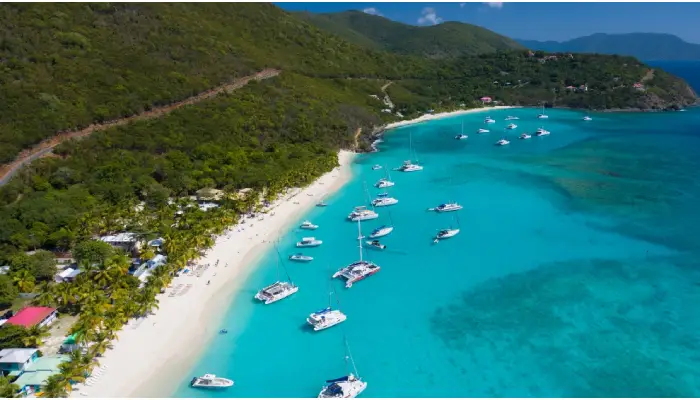
Avoiding Restricted and Hazardous Areas
Before setting sail in the British Virgin Islands, always consult the latest nautical charts to spot any red-lined zones that are off-limits. These areas often protect fragile coral reefs and marine wildlife, and entering them can lead to fines or void your charter agreement. Many restricted zones include shallow waters or reefs that pose serious risks of grounding or hull damage. Use GPS and other navigation tools to keep a safe distance from these hazards, and watch for buoy markers that highlight dangerous or protected areas. Plan your route carefully to avoid spots known for strong currents or sudden weather changes. It’s also wise to ask local experts or your charter operator about any no-go zones you should be aware of. Keeping your navigation software updated is crucial since restricted boundaries can change. Respecting these rules not only preserves the natural environment but also ensures a safer and trouble-free charter experience.
Proper Mooring Techniques to Prevent Drifting
Proper mooring is essential to keep your yacht secure and avoid drifting, which can lead to damage or costly recovery. Never run a single line through the mooring ball’s pennant, as the constant friction can cut the line and leave you adrift. Instead, use two independent mooring lines attached at different points on the boat for better security. Make sure these lines are tight enough to hold the yacht in place but not so tight that they strain the cleats or damage the vessel. Regularly inspect your mooring lines and replace any rope that looks frayed or worn; old lines are a common cause of failure. Assign crew members to check the lines periodically and adjust tension as conditions change, especially if the wind or current picks up. Avoid tying lines to weak spots like rails or lifelines since they may not withstand strong forces. Use chafe guards where lines rub against hard surfaces to prevent wear. Securing both bow and stern lines helps maintain your position and reduces swinging, which can cause collisions with nearby boats or the dock. Before tying up, confirm the mooring ball’s ownership and ensure you have permission to use it, to prevent disputes or unexpected removal. Finally, approach moorings slowly and carefully to avoid collisions and ensure safe attachment. These best practices help prevent drifting and keep your yacht safe during your BVI charter.
Managing Freshwater Use on Board
Freshwater on a private yacht in the British Virgin Islands is limited, so managing its use carefully is crucial. Guests should take short, efficient showers, often called navy showers, where water is only turned on to rinse. Turning off taps when not in use helps conserve supplies. Whenever possible, rinse off with seawater instead of freshwater to save precious resources. Avoid using freshwater for cleaning decks or washing equipment; seawater does the job just fine and preserves the freshwater tank. It’s important for both guests and crew to be aware of these water-saving habits to prevent running low. The captain or crew usually monitor freshwater tank levels daily, but guests should also be mindful and avoid excessive use, such as filling bathtubs or doing large amounts of laundry. Modern yachts often come equipped with water-saving appliances and fixtures, which help reduce consumption. Planning meals and beverage service to limit things like ice production can also contribute to conserving water. If freshwater runs low, scheduling stops at marinas or islands with refilling facilities is essential to avoid surprises. Lastly, any leaks or issues with the freshwater system should be reported immediately to the captain or crew to prevent waste or damage. Thoughtful freshwater management keeps the yacht comfortable and the trip smooth without unexpected interruptions.
Securing Dinghy Lines to Protect Propellers
One of the common mistakes on private yacht charters in the British Virgin Islands is leaving dinghy mooring lines loose or slack. Always pull dinghy lines tight to prevent any slack that could get caught around the yacht’s propellers, which can cause costly damage or even engine failure. Assign a crew member to handle the dinghy lines whenever docking or mooring near the yacht to ensure they remain secure and organized. Using line holders or cleats made specifically for dinghy tie-ups helps keep everything neat and reduces the risk of lines trailing in the water near running engines. It’s also important to inspect all lines regularly and replace any that show signs of wear or fraying to avoid unexpected breakage. Before starting the engines, a quick check around the propeller area for any entangled lines or debris is essential. Using brightly colored or floating lines improves visibility around the propellers, making it easier to spot potential hazards. Educating guests about the dangers of loose lines near propellers encourages safer behavior on board. Clear communication between the helm and crew managing dinghy lines during maneuvers can prevent accidents and ensure smooth operations. Finally, always secure the dinghy properly when not in use to stop it from drifting into the yacht or nearby boats, which could cause damage or create entangled lines in the water.
Monitoring Weather Reports Regularly
Checking marine weather forecasts at least twice daily is essential, especially during hurricane season in the British Virgin Islands. Relying on multiple sources such as radio broadcasts, internet updates, and onboard weather instruments helps ensure you get the most accurate information. Pay close attention to wind speeds, wave heights, and any storm warnings that could impact the area. Weather in tropical regions can change quickly, with sudden squalls common, so avoid complacency even on calm days. Keep emergency weather alerts enabled on your communication devices for timely warnings and discuss updates regularly with the captain and crew to coordinate safety measures. If forecasts predict deteriorating conditions or approaching storms, adjust plans proactively, including considering alternative routes or safe harbors. Reviewing weather trends each morning before setting out helps anticipate changes and keeps everyone prepared for safe navigation.
Staying Flexible with Your Itinerary
When chartering a private yacht in the British Virgin Islands, staying flexible with your itinerary is key to a smooth and enjoyable experience. Weather changes, maintenance issues, or guests’ needs can require quick adjustments, so always build contingency plans and expect the unexpected. Mooring availability can vary, especially in popular spots, and unexpected local events might affect your schedule. Allow extra time between destinations to avoid rushing and reduce stress. Be ready to consider alternative anchorages or ports if your first choices are crowded or unavailable. Communicate any itinerary changes promptly to the crew and guests to manage expectations and keep everyone informed. Sometimes you may need to skip or shorten planned activities if conditions aren’t ideal, so maintaining a positive attitude and openness to spontaneous experiences helps keep the mood light. Coordinating closely with your charter operator is essential; they provide real-time advice on route adjustments and can help secure flexible bookings for excursions and services. Finally, keep emergency contact and support information easily accessible to handle any disruptions quickly and safely.
Removing Fenders When Not Needed
Leaving fenders out when they are not needed is a common mistake that can make even an experienced skipper look inexperienced. Once the yacht is securely moored or anchored, fenders should be taken in to keep the deck clear and improve the yacht’s appearance. Fenders left out unnecessarily add clutter and can create tripping hazards or damage equipment on board. Before setting sail, it’s important to remove all fenders to prevent them from snagging or causing damage to the hull as the yacht moves through the water. Crew members should be well-trained on when and how to deploy or retract fenders properly during docking to balance safety with a clean look. Using fender covers helps protect the yacht’s surfaces when fenders are in use, and regular inspection of fender condition ensures no worn or damaged fenders compromise safety. It’s also wise to coordinate with marina or mooring operators about any local customs regarding fender use. Educating guests on proper fender etiquette can prevent accidental misuse or damage, ensuring the yacht stays in top condition and presents well throughout the charter.
Never Leaving Engines Running Unattended
Leaving engines, generators, or water makers running without a responsible crew member onboard is a common but serious mistake. Engines can overheat, suffer mechanical failure, or even cause unintended movement if left unattended. When moored or anchored, engines should be turned off unless absolutely necessary for power or safety reasons. Continuous monitoring of engine gauges and alarms is crucial to spot problems early and prevent costly breakdowns. Clear protocols must be established among the crew for starting, stopping, and supervising engine operation. Running engines in confined spaces without proper ventilation is dangerous due to carbon monoxide risks. Regular maintenance reduces the chance of failure during any unattended period. Engine controls should be secured to prevent accidental or unauthorized use, and guests need to be educated about the dangers of tampering with controls. Whenever possible, automatic shutdown systems should be used to protect engines if left running briefly without supervision.
Navigating Mooring Fields Carefully
When approaching mooring fields in the British Virgin Islands, it’s essential to proceed slowly and with caution to avoid collisions with other boats or swimmers. Always respect local speed limits and no-wake zones to minimize wake and disturbance in these busy areas. Clear communication with your crew during approach and docking helps ensure smooth maneuvers and prevents accidents. Keep an eye out for swimmers, divers, and paddleboarders who may be close to mooring balls, especially since they can be hard to spot at times. Avoid sudden turns or revving engines, as these actions can unsettle other vessels and people nearby. Give enough room for other boats to navigate safely around you, fostering a cooperative environment in crowded mooring fields. If you’re entering or leaving at dawn or dusk, use proper signaling or navigation lights to increase visibility. Planning to arrive during daylight hours is always best because it improves your ability to spot open moorings and obstacles. Patience is key: wait for a mooring ball to become free rather than forcing your way into a spot, which can lead to damage or conflicts. Whenever possible, coordinate with marina staff or mooring attendants who can offer guidance and assistance, making your stay safer and more enjoyable.
Respecting Pricing and Avoiding Excessive Discounts
When chartering a private yacht in the British Virgin Islands, it’s important to understand that pricing reflects more than just the vessel’s rental cost. It factors in yacht quality, crew experience, mooring fees, fuel, insurance, and crew wages. Pushing aggressively for large discounts can strain your relationship with brokers and charter companies, potentially leading to reduced service or hidden fees. Last-minute or seasonal discounts are rare and typically controlled by the charter operator, so expecting significant markdowns is unrealistic. Before negotiating, clarify exactly what is included in the price to avoid misunderstandings. Remember, tipping the crew is a separate custom and should not be viewed as a way to lower the charter fee. Reputable brokers price fairly based on market standards and yacht condition, so rather than focusing solely on the numbers, consider the overall value including amenities and itinerary flexibility. Respecting the pricing structure helps maintain a good rapport with providers, ensuring a smoother booking process and a better overall experience.
Completing Preference Sheets Before Boarding
Completing your preference sheets thoroughly and well before boarding is key to a smooth and enjoyable yacht charter experience in the British Virgin Islands. These sheets give the crew enough time to prepare meals, stock the right drinks, and arrange activities tailored to your interests. Be sure to include detailed food and drink preferences, along with any dietary restrictions or allergies, so the chef can plan accordingly. Don’t forget to specify activity preferences like diving, fishing, or sightseeing to ensure the crew brings the proper gear. Providing an accurate guest count and noting if there are children or seniors onboard helps with safety measures and provisioning. If your plans change before boarding, update the sheets promptly, last-minute changes can cause confusion and shortages. Use this opportunity to mention any special occasions or celebrations that deserve extra attention. Being honest and complete on your preference sheet lets the crew customize your experience effectively, improving onboard comfort and service quality. Avoid leaving these details until the last minute, as it disrupts provisioning and scheduling, potentially impacting your overall trip.
Following All Safety Instructions
One of the most important aspects of a private yacht charter in the British Virgin Islands is strictly following all safety instructions given by the captain and crew. From the start, pay close attention to the safety briefing, as it covers essential details like where life jackets are stored and when you need to wear them, especially during rough seas or nighttime on deck. Always use life jackets as advised and avoid wandering into restricted areas such as engine rooms or storage compartments to prevent accidents. Boarding and disembarking the yacht or dinghies should be done carefully, following crew guidance to avoid slips or falls. Running, horseplay, or ignoring slippery deck warnings can quickly lead to injuries, so keep behavior calm and cautious. Never tamper with safety equipment like fire extinguishers, life rafts, or emergency radios, as these are critical if an emergency arises. If you start feeling unwell or notice a medical issue, inform the crew immediately, they are trained to respond quickly. Make sure you understand emergency protocols, including muster points, evacuation routes, and man-overboard drills, so you can act calmly if needed. When swimming or snorkeling near the yacht, follow the crew’s guidelines on safe entry and exit points to avoid hazards. Lastly, respect the yacht’s capacity limits and never bring unauthorized guests onboard, as overcrowding can create dangerous situations. Observing these rules helps keep everyone safe and ensures a smooth, enjoyable charter experience.
Using Supplies and Equipment Wisely
On a private yacht charter in the British Virgin Islands, managing supplies and equipment carefully is essential to ensure a smooth and enjoyable experience for everyone. Freshwater is limited onboard, so take short showers and rinse off with seawater when possible to conserve this precious resource. When using electrical equipment like generators and water makers, always follow the crew’s instructions to avoid mechanical issues or power shortages. Food and drinks should not be wasted, saving supplies helps maintain availability for all guests throughout the trip. Handle water toys, diving gear, and snorkeling equipment gently to prevent damage, and never remove or misuse safety or navigation gear, as these are critical for everyone’s safety. Remember to turn off lights, fans, and air conditioning when not needed to save fuel and reduce wear on the yacht’s systems. Follow crew guidance on kitchen appliances and entertainment systems to avoid accidents or breakdowns. Use mats or towels during activities to protect yacht surfaces from spills or stains. If you notice any equipment not working properly, report it promptly to the crew to prevent further issues. Lastly, respect shared resources by coordinating usage with other guests and crew members, keeping the experience comfortable and hassle-free for all onboard.
Informing Crew About Extra Guests
Always be upfront about the exact number of guests joining your charter before departure. Yachts have strict capacity limits to ensure everyone’s safety and comfort, so adding unannounced visitors can create serious problems. If you plan to invite friends or family for day visits or excursions, notify the captain or your broker well in advance. Unauthorized guests might violate insurance policies and local regulations, which could lead to denied access at marinas or customs checkpoints. Beyond the legal side, extra guests mean more provisioning, food, water, seating, and safety gear need adjustments. Informing the crew allows them to arrange seating and safety measures properly and avoid tension among all onboard. Always check for any additional fees or permissions required before inviting anyone extra. Being transparent with your crew about guest numbers helps keep your charter smooth, legal, and enjoyable for everyone involved.
Keeping the Yacht Clean and Tidy
Maintaining cleanliness on a private yacht is crucial not just for comfort but also to preserve the yacht’s condition throughout your charter. Keep your personal belongings organized and stowed away in designated areas to avoid clutter that can make common spaces difficult to manage. Always dispose of trash in the containers provided, never leave waste on decks or inside cabins, as this attracts pests and creates unpleasant odors. After meals or activities, wipe down surfaces to assist the crew in keeping the yacht spotless. Be mindful of rules about eating or drinking in certain areas to protect delicate furnishings. Before entering cabins, rinse off sand, sunscreen, and saltwater to prevent damage to interiors. Change out of wet swimsuits and towels promptly to avoid mildew and lingering smells. Returning equipment and supplies to their proper places after use prevents loss and keeps the yacht orderly. Respect the crew’s cleaning schedule by cooperating with their requests to tidy up, and avoid leaving personal items unattended in shared areas to keep the space welcoming for everyone. Treat surfaces, fabrics, and gear gently: this helps maintain the yacht’s quality and ensures a pleasant environment for all aboard.
Treating the Crew with Respect
Treating the crew with respect is essential for a smooth and enjoyable yacht charter experience in the British Virgin Islands. Always address crew members politely and recognize their efforts throughout your trip. They often work long hours behind the scenes to ensure your safety and comfort, so timely cooperation with their instructions, especially those related to safety and yacht operations, is crucial. Avoid making unreasonable demands or last-minute changes that disrupt their workflow, as this can create unnecessary stress. It’s important to communicate openly and kindly about any concerns or requests without hostility. Respect the crew’s privacy when they are off duty, and include them in celebrations without imposing on their responsibilities. Never attempt to perform crew tasks or interfere with navigation and technical systems, as this can be dangerous and disrespectful. Additionally, be mindful of cultural differences and practice patience with varying communication styles. If you’re happy with the service, tipping generously, typically 10 to 25 percent of the charter cost, shows appreciation for their hard work and dedication.
Tipping Fairly for Good Service
Tipping is an important part of the private yacht charter experience in the British Virgin Islands and should be planned carefully. Typically, guests tip between 10% and 25% of the charter price depending on the quality of service received. Rather than giving the tip only to the captain or chef, it’s best to distribute it among the entire crew, as every member plays a key role in making your trip enjoyable. Cash tips are generally preferred unless the charter company advises otherwise. Always give your tip at the end of the charter to reflect your overall satisfaction with the crew’s efforts. If the crew goes above and beyond, such as accommodating special requests or helping celebrate an occasion, consider tipping more generously to show your appreciation. To avoid any cultural misunderstandings, ask your broker or captain about local tipping customs before you sail. Avoid withholding tips as a way to punish poor service; instead, raise any concerns directly with management during or after your charter. Including tipping in your budget ahead of time helps prevent surprises at the end of the trip. Keep in mind that crew salaries are often modest, and tips make up a significant part of their income. Along with tipping, a sincere verbal thank you can go a long way in showing your gratitude and respect for their hard work.
Understanding Charter Types and Pricing
When planning a private yacht charter in the British Virgin Islands, it’s crucial to understand the different charter types and how pricing works. Bareboat charters mean you skipper the yacht yourself, which usually requires solid sailing experience but comes at a lower upfront cost. Crewed charters include a captain, chef, and support crew, which raises the price but simplifies everything from navigation to meals and logistics. Pricing depends on yacht size, age, onboard amenities, and the season. Some charters bundle fuel, mooring fees, and provisioning into the price, while others charge these extras separately. Always ask for a detailed breakdown so you know exactly what you’re paying for and avoid surprises. Peak seasons and holidays come with higher rates and stricter booking rules. Don’t forget to factor in additional costs like gratuities, excursions, or special requests. Using reputable brokers helps you compare options and find a yacht that fits your budget and needs. Avoid last-minute bookings that might look cheaper but usually have limited availability and hidden fees, which can end up costing more in the long run.
Choosing Reputable Rental Companies and Brokers
Selecting a trustworthy rental company or broker is crucial when chartering a private yacht in the British Virgin Islands. Start by researching companies with positive reviews, a solid track record, and a well-maintained fleet. Look for brokers certified by recognized industry organizations, as their credentials add a layer of security and professionalism. Always verify that the company holds proper licenses, valid insurance, and up-to-date safety certifications to avoid surprises during your trip. Be wary of deals that appear too good to be true or require full upfront payments to unknown parties, these are often red flags for scams. Ask for references or testimonials from previous clients to gauge service quality and reliability. Before signing any contract, confirm cancellation policies and refund terms clearly to protect your investment. A good broker will offer 24/7 support during your charter, comprehensive briefings, and help with preference sheets to tailor the experience to your needs. Additionally, prefer companies and brokers who assist with customs, immigration, and mooring arrangements in the BVI, as local expertise smooths logistical hurdles. Avoid businesses with limited contact information, vague terms, or unclear communication, since these can lead to frustration or complications once you’re on board.
Preparing for Customs and Immigration
Before arriving in the British Virgin Islands, make sure to gather all necessary travel documents, including valid passports, your charter agreement, and any form of identification. It’s important to check the latest BVI customs regulations and entry requirements, as these can change without much notice. When you reach your first port of entry, be ready to declare all goods and equipment honestly to avoid potential fines or delays. Carry copies of all paperwork, such as yacht registration and insurance, since customs officers may request to see them. Hiring a local customs agent can make the clearance process smoother and faster, especially if you’re unfamiliar with the procedures. Be aware of any restricted or prohibited items to prevent confiscation or penalties. Also, plan for enough time to clear customs, particularly during busy seasons or holidays when lines can be longer. Check if any fees or taxes apply upon arrival and have the appropriate payment methods ready. Finally, keep your charter company or broker informed about your customs and immigration plans to ensure everything is coordinated and compliant with local rules.
Planning for Mooring Costs and Availability
When chartering a private yacht in the British Virgin Islands, planning for mooring costs and availability is crucial to avoid unexpected hassles. Mooring fees in popular spots can range from $30 to more than $100 per night, especially during peak season, so researching these costs ahead of time is essential. It’s a smart move to reserve mooring balls in advance if you want to secure your preferred locations, as popular bays fill up quickly. Be sure to know the difference between public moorings, which are generally open to all, and private moorings that often require permission and extra fees. Your itinerary should allow flexibility to handle situations where moorings are full or unavailable, and arriving early, at least an hour before sunset, helps you find safe options while avoiding crowded anchorages. Also, confirm that your yacht’s size and draft match the mooring spots you plan to visit, since some areas have depth or length restrictions. Keep in mind that mooring fees may include additional taxes or service charges, so budgeting beyond just the base cost is wise. Coordinate closely with your captain and crew about mooring protocols and expenses to prevent surprises during your trip. Lastly, consider the environmental impact of your mooring choices, opt for locations that minimize harm to coral reefs and marine life by using designated mooring balls rather than anchoring directly on sensitive seabeds.
Adjusting Plans for Weather and Mooring Constraints
When chartering a private yacht in the British Virgin Islands, staying flexible with your plans is key, especially when it comes to weather and mooring availability. Marine weather can change quickly, particularly during hurricane season, so it’s essential to monitor daily forecasts and use reliable weather tools. Always consult with your captain to identify the best times to sail and safe anchorages. Rigidly sticking to a set route can lead to unsafe situations, so be prepared to alter your course or destinations if storms or strong winds arise. Mooring fields in popular spots often become crowded during bad weather, so arriving early or having alternative ports on standby is a smart move. If mooring spots are full or conditions make entry unsafe, be ready to move the yacht to a safer location. Regularly check local advisories for updates on marine conditions and keep the crew informed about any changes or backup plans. Planning daily activities with weather in mind, such as avoiding long open-water passages during rough seas, helps maintain safety and comfort throughout the charter.
Communicating Clearly with Captain and Crew
Clear communication with the captain and crew is essential for a smooth and enjoyable yacht charter in the British Virgin Islands. Before boarding, share your expectations, preferences, and any special requests to help the crew prepare properly. This includes detailed information about dietary restrictions, allergies, and favorite foods, so the chef can plan meals that suit everyone. Discuss the planned itinerary with the captain to align activities with your interests and the local weather conditions, and be open to adjustments if needed. Agree on how and how often you’ll communicate during the trip to keep everything coordinated without confusion. Address concerns or questions early to avoid misunderstandings once the charter is underway. Respect the captain’s and crew’s professional advice on safety, navigation, and yacht operations, as these guidelines are in place to protect everyone onboard. Make sure all guests understand emergency procedures and safety protocols, which can be lifesaving in unexpected situations. Inform the crew promptly if any guests join or leave during the charter to stay within capacity limits and maintain safety. Offering constructive feedback throughout the trip helps the crew tailor the experience to your liking without creating tension. Finally, coordinate daily schedules like wake-up calls, meal times, and excursions with the crew to keep the day running smoothly and maximize your time on the water.
Packing Suitable Items for Yacht Charter
Packing for a private yacht charter in the British Virgin Islands requires thoughtful choices to protect both yourself and the yacht. Reef-safe sunscreen is a must to shield your skin while preserving the delicate marine environment. Avoid aerosol sprays or any products that can harm the yacht’s surfaces or pollute the air onboard. When it comes to footwear, bring soft-soled, non-marking shoes or deck shoes to prevent scratches on the deck. Lightweight, quick-drying clothes are ideal for the warm and humid tropical climate, and don’t forget a hat and polarized sunglasses to reduce glare and sun exposure. If you tend to get seasick, pack your medications and remedies in advance. Electronics and important documents should be stored in waterproof bags or cases to avoid damage from water or humidity. Storage space on yachts is limited, so avoid bulky items and overpacking. Swimwear, snorkeling gear, and water shoes are essential for enjoying the water activities comfortably. Lastly, a small flashlight or headlamp can be handy for safely moving around the deck after dark, helping you avoid trips or falls while keeping your hands free.
Checking Insurance Coverage Before Sailing
Before setting sail on your private yacht charter in the British Virgin Islands, it’s crucial to thoroughly check your insurance coverage. Start by confirming what your yacht charter insurance actually covers, this should include damage to the vessel, liability issues, and personal injury protection. Don’t assume your travel insurance will cover yacht-related emergencies; verify if it includes yacht charters and understand any gaps. Pay close attention to deductibles and exclusions in the policy, as these can affect your out-of-pocket costs in case of an incident. It’s also important to ask if equipment like water toys, dinghies, or diving gear onboard are covered, since these items are often excluded. Weather-related cancellations or itinerary changes should be addressed in your coverage, especially given the unpredictable Caribbean weather. Make sure medical evacuation or emergency transport is included, as access to urgent care can be limited on the water. Clarify the procedures for reporting incidents or filing claims during your charter to avoid surprises. Confirm whether the insurance covers all guests and crew, or if additional riders are needed for full protection. Finally, keep copies of all insurance documents onboard and provide one to your captain. Discussing all these details with your charter broker or company before finalizing the booking helps set clear expectations and prevents costly misunderstandings later.
Frequently Asked Questions
1. What are the common navigation mistakes people make when chartering a private yacht in the British Virgin Islands?
Many first-time charterers underestimate the complexity of navigating the islands’ narrow channels and shallow waters. Failing to check tide schedules and local nautical charts can lead to running aground or hitting reefs. It’s important to have an experienced captain or thoroughly plan your route ahead of time.
2. Why is it a mistake to overlook the weather conditions specific to the British Virgin Islands when planning a yacht charter?
The weather in the BVI can change quickly, especially during hurricane season or unexpected squalls. Ignoring forecasts or not preparing for sudden shifts can impact safety and enjoyment. Always monitor reliable weather updates and choose seasons with calmer conditions to avoid disruptions.
3. How can poor itinerary planning affect the experience of a private yacht charter in the British Virgin Islands?
Rushing through islands or visiting too many places without pacing can make the trip stressful and less enjoyable. Overloading the itinerary overlooks the time needed for relaxing, swimming, or exploring onshore activities. A balanced plan that allows flexibility improves the overall vacation atmosphere.
4. What mistakes do people make regarding provisioning and supplies for a yacht charter in the British Virgin Islands?
Many underestimate the importance of proper provisioning, assuming all supplies are readily available or delivered on demand. Stocking up on essentials like food, drinks, sunscreen, and water is crucial because some islands have limited options. Lack of preparation can lead to inconvenience during the trip.
5. Why is not understanding local customs and regulations a mistake when chartering a private yacht in the British Virgin Islands?
Each island has specific rules about anchoring, waste disposal, and protected areas. Ignoring these can result in fines or restricted access to certain spots. Respecting local customs and following guidelines ensures a smooth trip and helps preserve the environment you came to enjoy.
TL;DR Chartering a private yacht in the British Virgin Islands can be an amazing experience if you avoid common mistakes. Arrive early for safe anchoring, steer clear of restricted areas, use proper mooring techniques, conserve freshwater, and keep dinghy lines tight to protect the boat. Always monitor weather reports and stay flexible with your itinerary. Follow safety instructions, respect crew, complete preference sheets ahead of time, and keep the yacht clean. Understand pricing, customs rules, and mooring costs before booking, and choose reputable companies. Clear communication and proper packing also make a difference. With preparation and respect for rules and crew, you’ll enjoy a smooth, safe, and memorable BVI yacht charter.
Resource URL:
https://en.wikipedia.org/wiki/Yacht_charter
https://yachtfleet.com/tour_destination/british-virgin-islands

Kristy Blanchard is a Kansas-based writer and blogger. She has a passion for writing and exploring different cultures. She has a degree in English Literature and is currently studying marketing. She spends her free time exploring Kansas and always has a new story to tell. She loves to share her experiences in her blog, where she writes about everything from fashion and food to travel and culture.


