
What to Know Before Ordering Custom Football Uniforms?
Before ordering custom football uniforms, it’s important to clearly define your needs. Know if the jerseys are for team use or fans, how many you’ll need, and set a budget early on. Choosing the right manufacturer matters a lot, look for good reviews, quality materials that keep players comfortable and dry, plus options to customize names, numbers, and logos. Make sure sizing fits well over pads without restricting movement. Also, consider printing methods like screen printing or sublimation based on your design and budget. Lastly, review proofs carefully to avoid errors and plan payments and delivery so everything goes smoothly for the team.
Define Your Football Uniform Needs and Budget
Before placing an order for custom football uniforms, it’s crucial to clearly define your team’s needs and set a realistic budget. Start by identifying the primary use: are these uniforms for team play, practice, fan merchandise, or a combination? This will determine the type and quantity of gear needed. Estimate the number of jerseys and additional items like pants, socks, warm-ups, or practice jerseys, not only for your initial order but also for future needs. Decide if you want full uniform sets or just jerseys, keeping in mind that full sets might offer a more cohesive look but come at a higher cost. Consider all costs involved including customization options like names, numbers, logos, and shipping fees. Bulk orders often qualify for discounts, so factoring in potential savings can help stretch your budget. Also, plan for alternate or special edition uniforms, such as separate home and away colors, which can increase the overall expense. Don’t forget to account for the range of sizes needed, from youth to adult and plus sizes, as this variety can affect pricing and availability. Setting aside contingency funds for last-minute changes or extra orders is a smart move to avoid unexpected financial strain. Finally, determine your preferred payment method and timing to align with your budget cycles, ensuring smooth transactions. For example, if your team is ordering 30 jerseys and wants both home and away sets plus practice gear, calculating all these factors upfront will help you avoid surprises and keep your project on track.
- Identify the primary use: team play, practice, fan merchandise, or combination.
- Estimate the exact number of jerseys and additional gear needed initially and for future orders.
- Set a realistic budget per uniform, including customization and shipping costs.
- Decide if you want full sets (jersey, pants, socks) or just jerseys.
- Consider potential discounts for bulk orders or returning customers.
- Factor in costs for alternate or special edition uniforms (e.g., home vs. away games).
- Plan for extras like warm-ups, practice jerseys, or cheerleading apparel.
- Account for sizing variety (youth, adult, plus sizes) which may affect cost.
- Include contingency funds for last-minute changes or extra orders.
- Determine payment method preferences and timing to align with budget cycles.
Selecting a Reliable Football Uniform Manufacturer
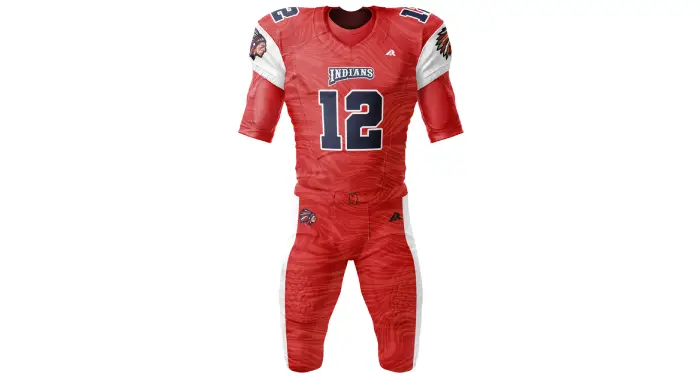
Choosing the right manufacturer is key to getting custom football uniforms that meet your team’s needs and last through the season. Start by researching companies with specific experience in football apparel, not just general sportswear. Look for customer reviews, testimonials, and case studies that highlight their quality and reliability. Pay close attention to the fabrics they use; durability and comfort are crucial since jerseys face heavy wear and intense activity. Verify that the manufacturer offers the customization options you want, like adding logos, player names, and numbers, and that these options meet your design goals. Check their minimum order requirements to ensure they align with your team size, avoiding unnecessary extra costs. Confirm turnaround times early to make sure your uniforms arrive on schedule, especially if you have tight deadlines. Ask if they provide samples so you can test fabric feel and print quality before placing a full order. Responsiveness in customer service is important too, quick and clear communication helps solve problems before they escalate. Finally, verify any certifications or compliance with safety and material standards, and understand their policies on returns, refunds, and defect resolution to protect your investment.
Design Tips for Custom Football Jerseys
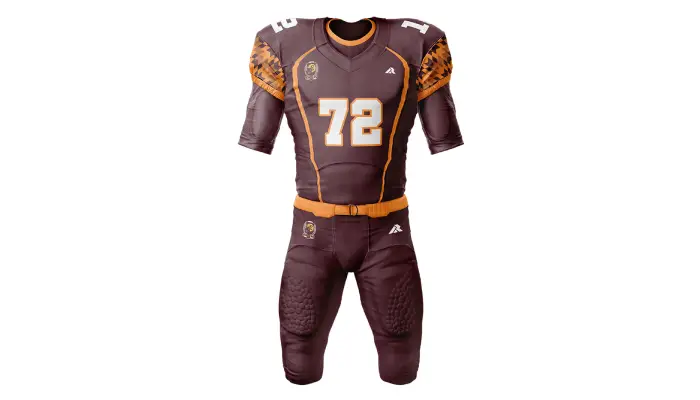
When designing custom football jerseys, start by selecting team colors that are clear and easy to distinguish on the field. Consistency across all gear helps build a strong team identity. Position logos thoughtfully so they stand out without making the jersey look overcrowded, placing them on the chest or sleeves often works well. Use bold, simple fonts for player names and numbers to ensure they are readable from a distance, which is crucial during fast-paced games. Limiting the number of colors not only keeps the design clean but also helps control costs. Adding unique touches like stripes, gradients, or patterns that represent your team’s spirit can make your jerseys stand out. It’s important to get input from players and coaches about their style preferences and comfort needs to balance looks with functionality. Avoid designs that might distract players or restrict their movement. Always check league rules to make sure your design complies, especially for numbering and logo placement. Using digital previews or mock-ups before production can help visualize the final product and catch any issues early. Planning ahead for alternate or special event jerseys ensures you have options ready for different occasions without last-minute stress.
Choosing the Best Fabric for Football Uniforms
Selecting the right fabric for football uniforms is crucial for player comfort and durability on the field. Breathable materials help players stay cool during intense games, so look for fabrics with good ventilation. Moisture-wicking fabrics like polyester or blends are ideal because they pull sweat away from the skin, keeping athletes dry and focused. Durability is equally important; uniforms need to withstand frequent washing and heavy physical contact without losing shape or tearing. Reinforced stitching in high-stress areas such as shoulders and seams adds extra strength. Flexibility and stretch in the fabric allow full range of motion, which is essential for performance. Lightweight materials reduce player fatigue by not weighing them down. Also, consider the climate where games are played, heavier, insulated fabrics might work for colder regions, while lighter, more ventilated options suit warmer areas. Fabric treatments that resist odor and stains extend the uniform’s freshness and lifespan. Before placing a large order, request fabric samples to test how the material feels and performs in real conditions. Finally, confirm that colors remain vibrant and don’t fade or bleed after multiple washes, ensuring the team’s look stays sharp season after season.
Getting Accurate Sizing and Fit for Players
Accurate sizing is crucial when ordering custom football uniforms to keep players comfortable and performing their best. Start by gathering precise measurements for each player’s chest, waist, height, and shoulder width. These numbers should be matched carefully against the manufacturer’s size charts to select the closest fit. Remember that jerseys need to fit snugly over pads without restricting movement or causing fabric bunching, so allow room for shoulder and chest pads while keeping the fit tight enough to avoid excess material. Youth and adult sizes differ significantly, so order accordingly rather than assuming a simple scale-up or down. Whenever possible, consider player preferences for tightness and mobility, since some may want a looser fit while others prefer a more compressive feel. Collect all sizing information well before the order deadline to avoid production delays. If feasible, hold fitting sessions where players can try sample jerseys or sizes to confirm their best fit before finalizing orders. Be aware that sizes may vary slightly between different manufacturers or fabric types, so double-check measurements and communicate potential differences clearly. Once sizes are confirmed, label each jersey with the player’s name and size to streamline distribution on delivery day. Keep detailed records of all measurements and selected sizes for future orders or replacements, which will save time and reduce errors down the road.
Comparing Printing and Customization Methods
When choosing how to customize your football uniforms, understanding the printing methods is key to balancing design, durability, comfort, and cost. Screen printing is a popular choice for bold, simple designs because it’s cost-effective and offers strong durability, making it ideal for numbers and large logos. However, it’s less suited for intricate or multicolor images. Sublimation printing stands out when you want full-color, detailed graphics embedded right into the fabric. This method won’t fade or crack over time and keeps the jersey lightweight and flexible but can be pricier and typically requires polyester fabrics. Heat transfer printing works well for small, complex designs with many colors, allowing you to achieve detailed artwork, though the transfers may be less durable with heavy wear and frequent washing. Embroidery provides a textured, premium look with raised stitching, perfect for logos or names if you want a high-end feel, but it comes at a higher price and can’t handle very fine details. It’s important to talk with your manufacturer about your design complexity and budget to find the best fit. Also, consider how each method affects jersey comfort and flexibility since some prints can feel stiff or restrict movement. Longevity matters too, screen printing and sublimation generally hold up better through regular use and washing than heat transfers. Ask about color accuracy and consistency, as some methods may show slight variations between batches. Be aware of minimum order requirements tied to certain printing styles, and request samples of each option so you can compare the look and feel firsthand before making a decision.
Reviewing and Approving Your Uniform Proofs
Before production begins, carefully review every detail on your uniform proofs to avoid costly mistakes. Start by checking all text, especially player names and team branding, for spelling errors. Verify that the numbers are accurate and correctly placed according to league rules. Make sure the colors match your chosen team palette and appear consistent across the proofs, as digital colors can sometimes differ from fabric. Examine logo size and placement closely to ensure they are balanced, not too large or too small. Pay attention to design elements and patterns, watching for any distortions or inconsistencies. If possible, request both digital and physical proofs so you can see how the design looks on actual fabric. Share these proofs with coaches, team leaders, or other stakeholders to gather input and catch issues you might miss alone. Don’t hesitate to ask for revisions if something looks off or doesn’t meet expectations. Also, confirm the deadline for final approval to keep the production timeline on track. Finally, keep a copy of the approved proofs for future reference or in case of disputes, ensuring you have a clear record of what was agreed upon.
Understanding the Ordering and Payment Process
Before placing an order for custom football uniforms, it’s crucial to get a clear picture of the payment terms. Most manufacturers require a deposit upfront, often around 50%, with the remaining balance due before shipping. Confirm the exact deadlines for final payment to avoid any delays. Also, ask which payment methods are accepted, whether credit cards, checks, or bank transfers, to plan accordingly. Setting firm deadlines for players to submit their sizes, names, numbers, and payments is key to keeping the process on track. This avoids last-minute rushes that can hold up production. Don’t forget to factor in shipping fees when calculating the total cost; including these charges upfront prevents surprises when uniforms arrive. Verify if the supplier has minimum order requirements and whether partial orders are allowed, especially if some players join late or drop out. Request a detailed invoice that lays out all costs, including taxes, shipping, and any extra fees, along with a clear timeline for production and delivery. Understanding the manufacturer’s policy on order changes or cancellations after approval is important, some companies might not allow modifications once production starts. Keep a record of all payment confirmations and communications to have proof in case issues arise. If you’re collecting payments from players or their guardians, coordinate this carefully to ensure everyone pays on time. For orders crossing state lines or international borders, check if taxes or customs fees apply so you can budget accordingly. Finally, ask about lead times for both production and shipping so you can schedule your order well ahead of important dates like the start of the season or special events.
Team Coordination Tips for Uniform Orders
Agreeing on exact color shades before placing an order is crucial to avoid mismatches between different uniform batches or gear types. For example, specifying whether the blue is Royal Blue or Navy ensures all items match perfectly. Standardize player name formatting, such as capitalization or abbreviations, to keep the uniforms looking uniform and professional. Collect all player information and payments well ahead of the deadline to prevent last-minute delays. Assigning a dedicated team member to manage the order process helps keep communication organized and provides a single point of contact for players, parents, and suppliers. Regular updates about order status and requirements reduce confusion and keep everyone informed. Consider ordering spirit wear like hoodies or hats at the same time as jerseys to save on shipping costs and boost team morale. Keep backups of all order forms, size charts, and payment records for reference and to handle any discrepancies. Plan for latecomers by establishing a clear process for additional or replacement orders to avoid disrupting the main shipment. Confirm the league’s uniform rules with the team beforehand to ensure compliance and avoid costly reorders. Finally, hold a team meeting or send reminders to finalize design and order details, giving everyone a chance to confirm their choices and avoid errors.
Managing Delivery and Distribution of Jerseys
When your custom football jerseys arrive, start by inspecting each one carefully for defects, color accuracy, and correct customization like player names and numbers. This step helps catch any issues before they reach the team. Verify all sizes and names against your original order list to ensure everything matches perfectly. To streamline distribution, organize the jerseys by player name or number, which makes handing them out at practices or team events quicker and less confusing. Store the uniforms in a clean, dry area until distribution to prevent any damage or discoloration. Plan a distribution event where players can try on their jerseys to confirm the fit, allowing time for any necessary exchanges or returns due to sizing errors. It’s helpful to package jerseys individually with player information clearly labeled for easy identification. Keep a record of each jersey handed out to track who has received theirs, which avoids mix-ups later on. Provide players and parents with care instructions to help maintain the uniforms’ quality throughout the season. If you notice any defects or errors, report them immediately to the manufacturer to arrange for replacements or fixes. This organized approach ensures each player gets the right jersey in good condition, minimizing hassle and keeping the team ready for game day.
Proper Care and Maintenance for Football Uniforms
Taking good care of your football uniforms helps them last longer and keeps them looking fresh. Always follow the manufacturer’s washing instructions exactly to avoid damaging fabrics and prints. Use cold water and mild detergents, which help preserve the colors and fabric strength. Avoid bleach and harsh chemicals because they can weaken the material and fade the designs. Turning jerseys inside out before washing protects the printed numbers and logos from rubbing off. When drying, avoid high heat; air drying or using low heat prevents shrinking and cracking of the prints. For stains, spot clean them promptly to stop them from setting permanently. Store uniforms in a cool, dry place away from direct sunlight to prevent fading over time. Fix minor tears or loose stitching early to extend the uniform’s life. It’s also smart to keep the original design files and size charts handy for future orders or replacements. If possible, consider professional cleaning or alteration services to maintain the uniform’s quality and fit over the season.
Balancing Cost and Quality for Custom Uniforms
When ordering custom football uniforms, striking the right balance between cost and quality is crucial. Start by comparing quotes from several manufacturers to get a sense of competitive pricing, but don’t just go for the lowest price. Understand the differences in fabric types: higher-quality materials like moisture-wicking polyester blends usually cost more but offer better durability and comfort compared to cheaper fabrics that wear out quickly. Printing methods also affect cost, screen printing is affordable and works well for simple designs, while sublimation offers detailed, full-color prints but at a higher price. Ordering in larger quantities can reduce the per-unit cost, so if your team size allows, bulk orders are worth considering. Keep in mind additional fees such as shipping, taxes, and setup charges, which can add up and impact your total budget. Avoid the cheapest options that use low-quality materials, as these uniforms may fade or tear quickly, leading to more frequent replacements and higher long-term costs. Instead, evaluate the lifespan of the uniforms to judge real value. Confirm payment terms upfront, including any deposit requirements, so there are no surprises. Also, factor in the potential costs of repairs or replacements down the line. Finally, assess the supplier’s reputation, reading reviews and checking their history can help ensure you’re paying for quality that matches the price.
Avoiding Common Mistakes When Ordering
One of the biggest mistakes teams make is not double-checking player measurements before ordering. A jersey that is too tight or too loose can affect comfort and performance on the field. Always verify the spelling of player names and the accuracy of jersey numbers to avoid embarrassing errors that can’t be fixed after production. Reviewing and approving design proofs carefully is essential, this step catches mistakes in colors, logos, or layout before the uniforms go into production. Choosing a reputable manufacturer with positive reviews and clear quality guarantees helps prevent issues with fabric durability or printing quality. Setting clear deadlines for player information and payments is another key step; delays here can push back your entire order and leave the team short-handed. Make sure you understand the supplier’s return and exchange policies so you know how defects or mix-ups will be handled. Confirm all customization options and colors with your supplier upfront to avoid mismatches, such as ordering the wrong shade of blue or forgetting a logo placement. Consistent communication with coaches, players, and the supplier throughout the process helps keep everyone on the same page and reduces errors. Avoid last-minute orders, as they limit customization choices and often increase costs. Finally, keep detailed records of all orders, payments, and communications, this accountability makes it easier to resolve disputes and track progress. For example, a team that confirmed all player info early and maintained clear communication with their manufacturer avoided costly reorders and received their uniforms on time.
Frequently Asked Questions
1. How do I choose the right fabric for custom football uniforms?
Choosing the right fabric depends on factors like comfort, durability, and performance. Look for materials that wick away sweat, allow flexibility, and hold up well during physical activity. Polyester blends are common because they balance these needs effectively.
2. What important measurements should I provide when ordering custom football uniforms?
Accurate measurements include chest, waist, hips, inseam, and arm length. These help ensure the uniforms fit players properly, allowing both comfort and freedom of movement on the field.
3. Can custom football uniforms be designed to meet specific team branding and style preferences?
Yes, custom uniforms can be tailored with team colors, logos, fonts, and design elements. Work closely with your supplier to incorporate your team’s unique look while keeping functionality in mind.
4. How does the customization process affect the durability and performance of football uniforms?
Customization like printing and stitching must be carefully done to avoid weakening the uniform. High-quality materials and skilled craftsmanship maintain durability and performance even with added logos and designs.
5. What should I know about the lead time for receiving custom football uniforms?
Lead time varies depending on complexity and order size but generally ranges from a few weeks to over a month. Planning ahead helps ensure your team has uniforms ready before the season starts.
TL;DR Before ordering custom football uniforms, clearly define your team’s needs and budget. Choose a reliable manufacturer that offers quality fabrics, customization options, and good customer service. Focus on practical design choices, accurate sizing, and pick the right printing methods. Review proofs carefully to avoid mistakes, understand payment terms, and coordinate team info and payments efficiently. Inspect shipments upon delivery and follow proper care guidelines to extend uniform life. Balancing cost and quality while avoiding common pitfalls ensures your team gets durable, comfortable, and well-designed uniforms that represent your team well.

Kristy Blanchard is a Kansas-based writer and blogger. She has a passion for writing and exploring different cultures. She has a degree in English Literature and is currently studying marketing. She spends her free time exploring Kansas and always has a new story to tell. She loves to share her experiences in her blog, where she writes about everything from fashion and food to travel and culture.


