
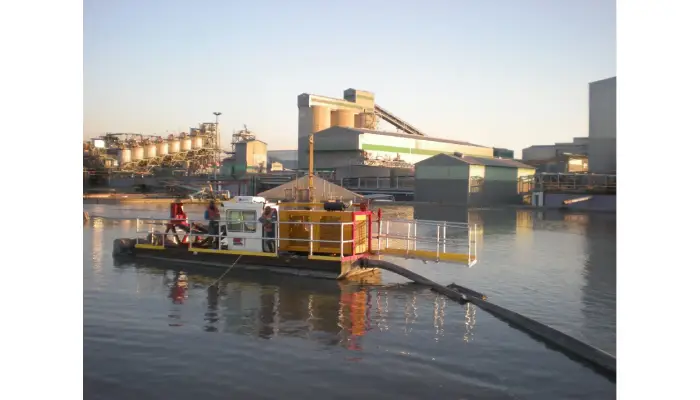
What to Know Before Buying a Mine Tailings Dredge?
Before buying a mine tailings dredge, it’s important to do thorough research on the manufacturer’s reputation and financial stability. Choose companies that are well-established and backed by solid financial records to reduce risks of business closure. Check their factory location too, factories near major airports help speed up shipping and reduce delays. Understand exactly what comes with the dredge purchase; sometimes cheaper prices don’t include all the necessary parts, which adds costs later. If considering used equipment, verify the condition and warranty terms carefully. Also, confirm service availability, training options, and spare parts access to avoid downtime during operations.
Company Reputation and Financial Stability Check
When buying a mine tailings dredge, it is crucial to choose a company with a solid track record and strong financial health. Opt for manufacturers that have been in the dredging business for many years, as this reduces the risk of sudden business closure that could leave you without support or parts. Checking financial stability through credit reports like Dun & Bradstreet or reviewing annual financial disclosures can provide insight into the company’s economic standing. Understanding the ownership structure helps reveal if the company is backed by larger firms or investors, adding to its reliability. Public records should be scanned for any past legal or financial issues, which might signal potential risks. Customer testimonials and third-party reviews offer real-world feedback on product quality and service responsiveness. It’s important to confirm the company’s specific experience with mine tailings dredges, since expertise in this niche affects product suitability and durability. Evaluate the manufacturer’s production capacity and current order backlog to estimate realistic delivery times. Companies with dedicated research and development teams show a commitment to continuous improvement, which benefits long-term performance. Industry awards or recognitions further validate credibility. Finally, confirm the company’s after-sale support promises, as strong ongoing service reflects financial and operational stability, minimizing downtime and protecting your investment.
- Purchase from companies with a long history in dredging to reduce risk of business closure
- Verify financial health through credit reports like Dun & Bradstreet or annual financial disclosures
- Assess ownership structure to understand stability and backing by larger firms or investors
- Check public records for any past legal or financial issues related to the company
- Look for customer testimonials or third-party reviews to confirm reliability
- Confirm if the company has proven experience specifically with mine tailings dredges
- Understand the company’s manufacturing capacity and order backlog to gauge delivery timelines
- Investigate whether the company has a dedicated R&D department for continual product improvement
- Review any awards or industry recognitions that indicate credibility
- Confirm after-sales support commitment as a reflection of company stability
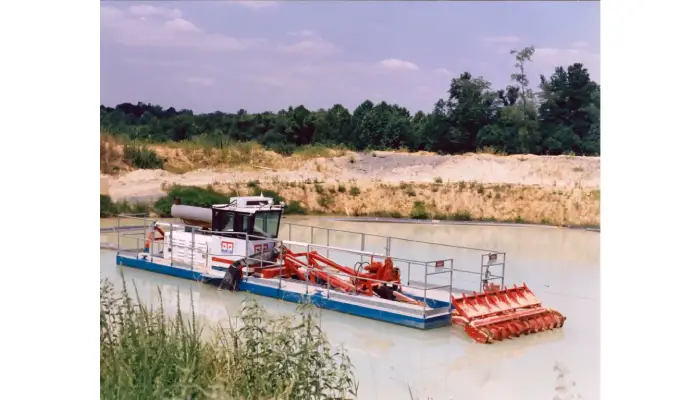
Factory Location and Shipping Logistics
When buying a mine tailings dredge, the factory location plays a crucial role in shipping logistics and overall project timelines. Factories near major airports can significantly reduce shipping time for both the dredge and essential spare parts, allowing for quicker delivery and less downtime. On the other hand, manufacturers situated in remote areas often incur hidden costs due to complex transport routes, difficult access for heavy equipment, and longer transit times. It’s wise to request recent photos of the factory, warehouse, and office facilities to verify the supplier’s operational scale and legitimacy. Additionally, ask about the local infrastructure, such as roads capable of handling heavy loads and available shipping services. Confirm the full lead times for delivery, including potential customs clearance if the equipment ships internationally. Some suppliers maintain local offices or agents closer to your project site, which can improve communication and service response. Seasonal weather conditions can also impact shipping schedules, so consider how monsoons, winter freezes, or other factors might delay transport. Political or economic instability in the factory’s region could further affect delivery reliability. Don’t overlook the availability and cost of shipping insurance for your high-value dredge, as well as the packaging methods used to protect the equipment during long-distance transport. For example, robust crating and weatherproof covers help prevent damage that could cause costly repairs down the line. Taking these logistics factors into account helps avoid unexpected delays and expenses, ensuring your dredge arrives on time and in good condition.
Detailed Equipment Specifications and Components
Before buying a mine tailings dredge, get a complete list of what comes with the equipment. This includes hoses, floats, toolkits, cables, and propulsion units. Knowing exactly what’s included helps avoid surprises and extra costs later. Make sure to check if the pipeline diameter and length match your project’s pumping needs, especially for slurry flow rate and solids concentration. Ask for production estimates with detailed pump performance curves to understand the dredge’s real capacity. It’s important to distinguish between total slurry volume and actual solids volume to prevent inflated claims about output. Verify that all components are compatible with your site’s environmental conditions, such as temperature, corrosion risk, and terrain. Request technical drawings or certifications for key parts to confirm quality and compliance. Confirm that safety features like emergency stops and alarms are part of the package to meet operational safety standards. Also, ask about maintenance requirements for each component to plan for upkeep and avoid downtime. When comparing suppliers, consider the total package cost, not just the base price, since essential parts or add-ons might increase expenses. Finally, inquire about upgrade options or available customizations to ensure the dredge can adapt to future project needs.
Considerations When Buying Used Dredges
When purchasing a used mine tailings dredge, it’s crucial to buy only from dealers with a verified reputation and solid references. Inspect key wear parts such as slurry pumps, impellers, and suction liners carefully, as these components often determine maintenance costs and downtime. Confirm that the original manufacturer still supports the model you are considering, including parts availability and service support. Always request warranty details or clarify if the sale is final without guarantees, since used equipment often comes as-is. To verify the actual usage, ask for dated photos showing hour meter readings and proof of operational status. Investigate the equipment’s history, checking for any major repairs or modifications that might affect performance or reliability. Factor in potential hidden costs like refurbishing or upgrading components to meet your project’s demands. Also, ensure operator and maintenance manuals are available to support proper use and upkeep. Evaluate whether the used dredge technology aligns with current project needs and complies with environmental standards to avoid costly adjustments later. Lastly, remember that transport and installation costs for used dredges can vary widely compared to new units, so include these expenses in your budget planning.
Service, Training, and Support Options
Before buying a mine tailings dredge, it’s important to understand the service and support structure behind the equipment. Start by confirming the size and expertise of the service team available in your region. A local, knowledgeable team can reduce downtime and speed up repairs. Check if operator and maintenance training are included in the purchase or offered separately, and clarify whether travel costs for training or emergency repairs are part of the package or charged extra. Spare parts availability is critical: verify if parts are stocked globally and ask about typical delivery times to avoid long waits that could halt your project. It’s also wise to get direct contact information for technical support and emergency service. Some companies offer remote assistance via phone or video calls, which can be a big help when onsite support isn’t immediately available. Ask about standard service intervals and whether maintenance plans are offered to keep your dredge running smoothly. Don’t hesitate to request references from current clients to gauge how responsive the service team really is. Make sure you fully understand warranty coverage details and the claim process so you know what’s protected. Finally, find out the company’s policy on upgrades and retrofits throughout the dredge’s life, this can extend the machine’s usefulness and protect your investment. For example, a well-supported dredge with quick access to parts and training can save you weeks of potential downtime compared to one with limited service options.
Budgeting for Total Costs and Alternatives
When budgeting for a mine tailings dredge, it’s important to look beyond the purchase price. The total cost includes additional equipment, spare parts, and necessary accessories like hoses, toolkits, and propulsion systems. Labor expenses for installation, training, and ongoing operation should also be factored in, as these can add up quickly. Maintenance is another key cost area, covering regular overhauls as well as unexpected repairs that can arise during use. Don’t forget operating costs such as fuel, power consumption, and consumables, which affect the dredge’s long-term affordability. Be cautious of budget models that cut corners by omitting essential features or compromising reliability, as saving upfront may lead to higher costs down the line. If your dredging needs are short-term or occasional, consider rental or lease options, which can be more cost-effective and reduce capital expenditure. Additionally, plan for contingency funds to manage unforeseen delays or equipment problems that could disrupt your project timeline. When comparing suppliers, evaluate the total cost of ownership instead of focusing solely on the initial price tag. Include expenses related to shipping, customs, taxes, and insurance, especially if the equipment is sourced internationally. Finally, explore financing options or payment terms offered by manufacturers or dealers, which can help manage cash flow while securing the equipment you need.
Technical and Operational Requirements
Choosing the right dredging method is key: mechanical, hydraulic, or a hybrid approach should match the characteristics of your tailings material. Mechanical dredges work well with dense, coarse tailings, while hydraulic systems suit finer, slurry-like materials. Always request detailed power and hydraulic flow specs to ensure your site’s utilities can support the dredge efficiently. Since tailings are often abrasive, confirm the dredge’s mechanical tolerances and build quality to avoid frequent wear or failure. Proven performance data from similar operational conditions can give you confidence in the design. Be cautious of suppliers who simply copy existing designs without engineering validation or testing, it’s a common pitfall that can lead to costly downtime. Understand the pumping system’s capacity for solids handling and maximum pumping depth, as these directly impact productivity and reliability. Ask about control systems and automation features that can improve operational efficiency and reduce manual labor. Noise and vibration levels should be checked against site regulations and operator comfort standards, since excessive noise can cause compliance issues and health problems. Flexibility matters too; ensure the dredge can adapt to changing site conditions or future projects, protecting your investment. Finally, request comprehensive manuals and training materials to support smooth startup and ongoing operation, which helps avoid costly mistakes and downtime.
Project Location and Environmental Factors
Choosing a mine tailings dredge requires careful consideration of your project’s location and environmental conditions. Selecting a supplier close to your site can reduce shipping risks and ensure faster support when you need it. Knowing the soil and tailings characteristics is crucial to match the dredge design and pumping system properly, different materials demand different equipment capabilities. Local environmental regulations must be reviewed thoroughly since they govern dredging operations and discharge limits; your dredge should ideally have features like spill containment to help stay compliant. Seasonal weather patterns can affect both equipment operation and maintenance schedules, so plan accordingly to avoid unexpected downtime. Infrastructure availability, such as roads, power, and water, will impact your setup and ongoing operations. Also, assess the availability and skill level of local labor for operating and maintaining the dredge. Don’t overlook waste handling and disposal methods, which need to align with local laws. Finally, investigate necessary permits and whether your supplier provides assistance in obtaining them, as well as any environmental impact monitoring and reporting requirements that may apply to your project.
Supplier Comparisons and Transparency
When comparing suppliers for a mine tailings dredge, it’s essential to request detailed quotes that clearly list all included components and services. This helps avoid surprises where a low price excludes critical items like hoses, pumps, or toolkits, which can drive up total costs. Ask each supplier to highlight their dredge’s unique features or advantages so you can weigh benefits beyond just price. Look for documented case studies and client references that back up performance claims instead of relying solely on marketing materials. Avoid suppliers who hesitate to provide full technical specifications, certifications, or financial transparency, as this can signal risks. Comparing warranty terms, service agreements, and payment conditions side-by-side is crucial; pay attention to delivery schedules and penalties for delays to protect your project timeline. Also, evaluate how responsive suppliers are to your questions and whether they offer additional support such as training, installation, or commissioning assistance. Be wary of offers that seem significantly cheaper without clear explanations, since this often means corners are cut. For example, a supplier quoting a low price but excluding essential accessories or offering limited warranty coverage may cause costly delays down the line. Transparency and thorough comparison reduce the chance of unexpected expenses and ensure you’re investing in reliable equipment and support.
Managing Risks and Verifying Claims
When buying a mine tailings dredge, managing risks starts with avoiding new or unproven manufacturers that lack a solid track record in dredging. Choosing a supplier with established experience reduces the chance of encountering unforeseen issues. Always confirm global parts availability to ensure you won’t face extended downtime waiting for critical components. Before finalizing any deal, verify all technical claims through independent sources or third-party testing whenever possible. Ask the manufacturer for certifications, test reports, and compliance documents to back up their statements. Warranty coverage requires careful review; understand what is covered, the duration, and any exclusions to avoid surprises after purchase. Planning for regular maintenance is crucial to prevent unexpected failures that can halt operations and inflate costs. Also, scrutinize contract terms, especially liability clauses and dispute resolution methods, so you know your protections and responsibilities. Considering insurance coverage for equipment damage or operational risks adds an extra layer of security. Whenever feasible, inspect the dredge in person to assess its condition firsthand rather than relying solely on documents or photos. Keep detailed records of all communications and agreements to maintain accountability and protect your interests throughout the buying process. For example, a buyer who confirmed parts availability globally and verified technical claims upfront avoided costly delays when a pump part needed replacement. This approach helps ensure the dredge functions as promised and supports a smoother project execution.
Frequently Asked Questions
1. What are the most important technical specs to consider when buying a mine tailings dredge?
Key specs include dredging depth, pump capacity, engine power, and the dredge’s ability to handle different sediment types. These factors affect how well the dredge performs in your specific mining environment.
2. How does the dredge design affect its efficiency in handling tailings?
Design elements like hull shape, discharge system, and cutter type influence how effectively the dredge can extract and move tailings. A well-designed dredge reduces downtime and maintenance, improving overall efficiency.
3. What safety features should I look for on a mine tailings dredge?
Look for emergency shut-off systems, stable platform design, proper lighting, and protective guards around moving parts. These features help protect operators and minimize risks during dredging operations.
4. How does the environmental impact of a dredge factor into the buying decision?
Consider dredges with technologies that minimize sediment disturbance and water contamination. Compliance with environmental regulations and the ability to operate sustainably in sensitive areas is important for long-term projects.
5. What maintenance challenges are common with mine tailings dredges, and how can I prepare for them?
Common issues include pump wear, clogging, and corrosion. Preparing involves choosing dredges made with durable materials, ensuring easy access for repairs, and setting up a regular maintenance schedule to avoid costly downtime.
TL;DR Before buying a mine tailings dredge, verify the manufacturer’s reputation and financial stability to avoid future issues. Consider factory location for shipping logistics and request detailed equipment specs to understand what’s included. Used dredges can save money but require caution with condition and support. Ensure service, training, and parts availability to reduce downtime. Budget for all costs and explore renting for occasional use. Match technical and operational needs to the project and check environmental compliance. Compare suppliers transparently and watch out for hidden risks by validating claims. Thorough research and realistic expectations help ensure a successful dredging investment.

Kristy Blanchard is a Kansas-based writer and blogger. She has a passion for writing and exploring different cultures. She has a degree in English Literature and is currently studying marketing. She spends her free time exploring Kansas and always has a new story to tell. She loves to share her experiences in her blog, where she writes about everything from fashion and food to travel and culture.


