
Ultimate Guide to CBD Beauty Products: What to Know in 2025?
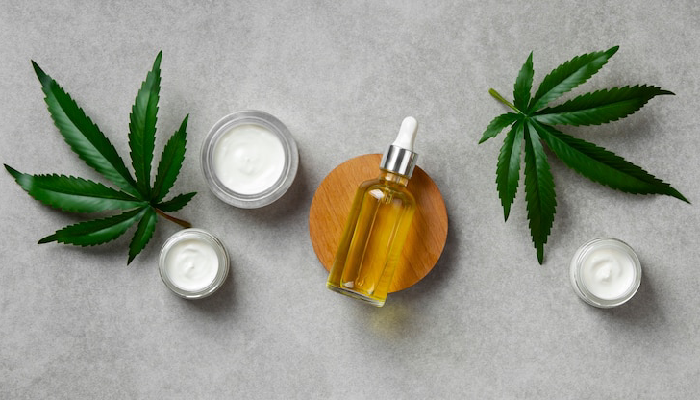
The CBD beauty product market is growing steadily, expected to reach over USD 552 million in 2025 and expand significantly by 2033. Consumers increasingly prefer natural and organic skincare options, boosting demand for products like CBD oils, serums, creams, and emerging items such as sunscreens. Online sales make up about half of the market due to convenience, while physical stores remain relevant for personalized advice. North America leads the market with Europe following closely behind. Advances in formulation technology improve how well CBD is absorbed topically. However, complex regulations still challenge brands trying to ensure quality and transparency. Overall, education and trust are key as this niche continues evolving rapidly.
CBD Beauty Products Market Size and Growth Forecasts
The global CBD skin care products market was valued at USD 457.9 million in 2024 and is projected to reach USD 552.24 million by 2025, indicating steady short-term growth. Looking further ahead, the market is expected to expand significantly, with a compound annual growth rate (CAGR) of 20.6% from 2025 to 2033, reaching nearly USD 2.5 billion. This rapid growth is driven by rising consumer interest in natural and organic skincare options, coupled with the expanding legalization of CBD products, particularly in North America and Europe. E-commerce plays a crucial role in this growth, accounting for about 50-55% of all CBD beauty product sales, as consumers favor the convenience and wider product selection available online. North America, especially the U.S., leads the market thanks to favorable legal frameworks and high consumer awareness, while Europe follows closely with increasing wellness trends and regulatory clarity. Innovations in product formulations and delivery technologies, such as nanoemulsions and liposomal carriers, are enhancing the effectiveness and appeal of CBD beauty products. The growing focus on wellness and self-care further supports steady demand, with brands increasing marketing and educational efforts to improve consumer understanding and adoption. However, the industry faces challenges including navigating complex regulations and ensuring consistent product quality, which remain crucial for sustaining trust and long-term growth.
Popular Types of CBD Beauty Products
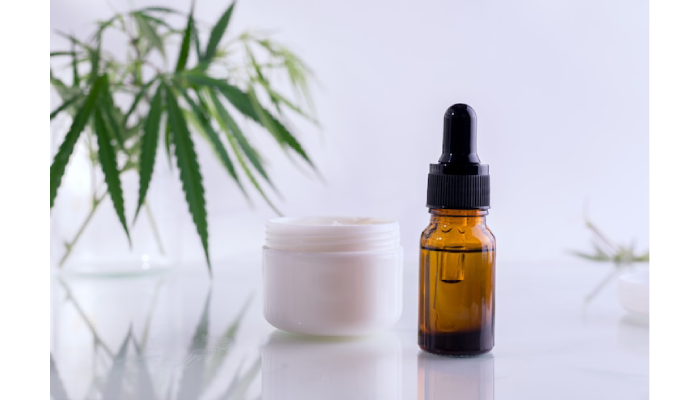
CBD oils remain the most popular type of CBD beauty product, with demand growing 30-35%. Their versatility makes them ideal for treating inflammation, dryness, acne, and targeted skin concerns. Many users appreciate the direct application and fast absorption these oils offer. CBD serums, which are lightweight and fast-absorbing, have seen a 20-25% rise in popularity due to their anti-aging and redness reduction effects. These are often combined with other natural ingredients to enhance skin tone and texture.
CBD creams and moisturizers cater especially to dry or sensitive skin, hydrating and soothing with a demand increase of 25-30%. These products typically contain carrier oils like hemp seed or olive oil, which not only improve CBD delivery but also provide additional moisturizing benefits. CBD cleansers, growing 15-20% in demand, offer gentle cleansing with added anti-inflammatory properties, making them suitable for sensitive or acne-prone skin.
How CBD Beauty Products Are Sold?
CBD beauty products are primarily sold through two main channels: online and offline. Online sales make up about 50 to 55 percent of the market, driven by convenience and the broad range of products available. The rise of e-commerce was accelerated by the COVID-19 pandemic, and it remains a dominant way consumers shop for CBD skincare. Many brands leverage direct-to-consumer websites and subscription models, offering curated selections and regular deliveries that appeal to loyal customers. Transparency is key online, with retailers often highlighting third-party lab results and product details to build trust. Social media and educational content also play a big role in guiding buyers and explaining product benefits. Offline sales still account for roughly 40 to 45 percent of purchases, mostly through specialty stores, wellness shops, and pharmacies. These physical locations offer an important space for customers to try products, ask questions, and get personalized advice before buying.
Regional Trends in CBD Beauty Markets
North America remains the dominant force in the CBD beauty market, with the U.S. leading due to favorable regulations and a high level of consumer awareness. Online sales are particularly strong here, accounting for 60-65% of purchases, reflecting the widespread adoption of e-commerce and convenience-driven shopping habits. Europe holds the second-largest market share, driven mainly by the UK, Germany, and France. These countries benefit from clearer regulatory frameworks and a growing wellness culture that promotes natural beauty products. In contrast, the Asia-Pacific region is the fastest-growing market, experiencing annual growth rates between 20-25%. This surge is fueled by expanding middle classes and a rising interest in natural and holistic skincare solutions. Meanwhile, the Middle East and Africa markets are smaller but gaining traction, especially in the UAE and South Africa where evolving regulations are opening doors for new products. Regulatory clarity is uneven across regions, impacting how products are marketed and sold.
Leading Brands in CBD Beauty Industry
Kiehl’s leads the CBD beauty market with a commanding 30-35% share, largely driven by its popular calming creams and skincare lines that focus on soothing sensitive skin. Close behind, Josie Maran Cosmetics holds 20-25% of the market, renowned for their effective CBD moisturizers that combine hydration with gentle anti-inflammatory benefits. Beyond these two giants, several other notable brands shape the industry landscape, including Cannuka, Lord Jones, The CBD Skincare, CBD For Life, Populum, CBD Daily, Leef Organics, Myaderm, Endoca, and Elixinol. Recent product launches such as Lord Jones body lotion, Populum facial serum, and CBD For Life face mask have gained traction by delivering targeted skincare benefits with clean formulations. A common thread among leading brands is a strong emphasis on transparency, featuring third-party lab testing and responsibly sourced CBD to build consumer trust. Innovation is also key: many brands invest in advanced formulation and delivery methods like nanoemulsions to enhance absorption and effectiveness.
Current Trends and Consumer Habits
Interest in CBD beauty products is evolving as consumers explore other cannabinoids like CBG, CBN, and THCV for their distinct benefits. This shift reflects a desire for tailored solutions that address specific needs such as improving sleep, easing anxiety, reducing pain, or targeting skin issues. Advanced delivery technologies like nanoemulsions, liposomal formulations, and transdermal patches are gaining traction because they increase the body’s absorption of cannabinoids, making products more effective. Microdosing is another growing trend, where users take small, precise amounts to experience subtle effects without any intoxication. The pet CBD market is expanding quickly, with about one in four U.S. dog owners now using hemp-CBD products for their pets’ wellbeing. Seasonal changes also influence consumer preferences, causing fluctuations in demand for certain product types or formulations throughout the year. Transparency remains a top priority; shoppers expect third-party testing, clear labels, and full ingredient disclosure to trust a brand.
Science Behind CBD in Skincare
CBD used in skincare is mainly extracted from hemp plants that contain less than 0.3% THC, keeping products within legal limits. These products come in three main types: full-spectrum (including all cannabinoids), broad-spectrum (THC-free), and isolate (pure CBD). The skin naturally has CB1 and CB2 receptors, part of the endocannabinoid system, meaning topical CBD can interact with the skin to help regulate inflammation, control sebum production, and influence cell growth. This interaction underlies CBD’s benefits like reducing redness, moisturizing, and balancing oil, making it useful for conditions such as acne, eczema, psoriasis, and dermatitis. Since CBD is oil-soluble, it’s best incorporated into skincare formulas at temperatures below 40°C and often diluted in carrier oils like hemp seed or olive oil to maintain its stability and effectiveness. Common product formats include balms, serums, creams, oils, and lip balms, typically containing around 1% CBD, though effective doses can vary and no standard dosage has been established yet.
Regulations and Legal Landscape for CBD Beauty
The regulatory environment for CBD beauty products in 2025 remains complex and fragmented, especially in the U.S. At the federal level, the FDA has not approved CBD for use in food or dietary supplements, which creates ongoing uncertainty for brands looking to expand their product lines. This federal hesitation means companies must navigate a patchwork of state laws, each with different rules on manufacturing standards, labeling, testing requirements, and sales licenses. Many states strictly prohibit unsubstantiated health or disease claims on CBD products, reinforcing the need for careful marketing and compliance. Mandatory testing is becoming more common, with regulators requiring proof of potency, absence of contaminants like heavy metals, solvents, and microbes, and overall product safety. Some states also enforce limits on serving sizes for cannabinoids in beauty products to ensure consumer safety. Additionally, synthetic cannabinoids and certain THC isomers are banned in many jurisdictions, which impacts formulation choices. Labeling rules often include the use of QR codes that link to certificates of analysis and detailed cannabinoid content disclosures, helping build consumer trust.
Resource URL:
https://en.wikipedia.org/wiki/Cannabidiol
https://divineelementscbd.com/collections/cbd-beauty-skincare

Kristy Blanchard is a Kansas-based writer and blogger. She has a passion for writing and exploring different cultures. She has a degree in English Literature and is currently studying marketing. She spends her free time exploring Kansas and always has a new story to tell. She loves to share her experiences in her blog, where she writes about everything from fashion and food to travel and culture.


