
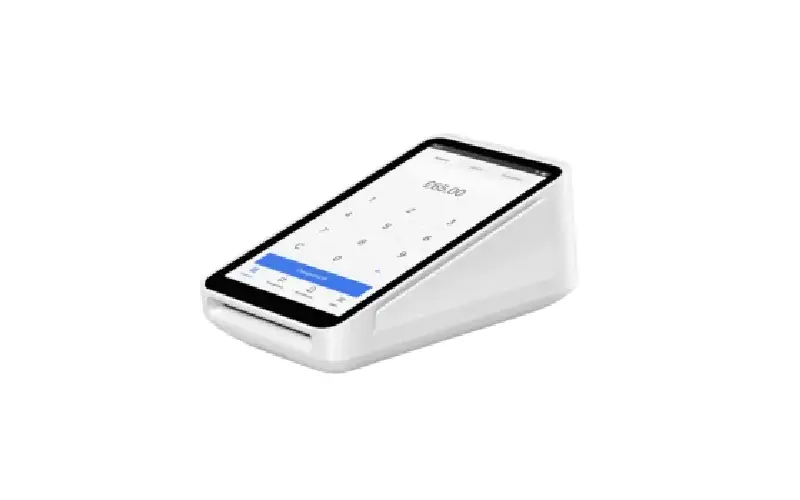
Card Machine Comparison: Navigating the Best Payment Solutions for Your Business
In today’s fast-paced retail and service environments, offering seamless payment options is no longer a luxury but a necessity. Whether you run a small boutique, a bustling café, or a large-scale enterprise, choosing the right card machine can profoundly affect your customer experience and business efficiency. However, with a myriad of card machines available — from traditional POS systems to modern mobile card readers — making the right choice can be overwhelming. This comprehensive card machine comparison guide aims to demystify the options, helping you understand key features, costs, and use cases so you can select the best payment solution tailored to your needs.
Understanding Card Machines: Types and Technologies
Before diving into a detailed card machine comparison, it’s important to familiarize yourself with the main types of card payment devices and the technologies behind them. These factors will influence how the machine fits into your operational workflow and customer interaction.
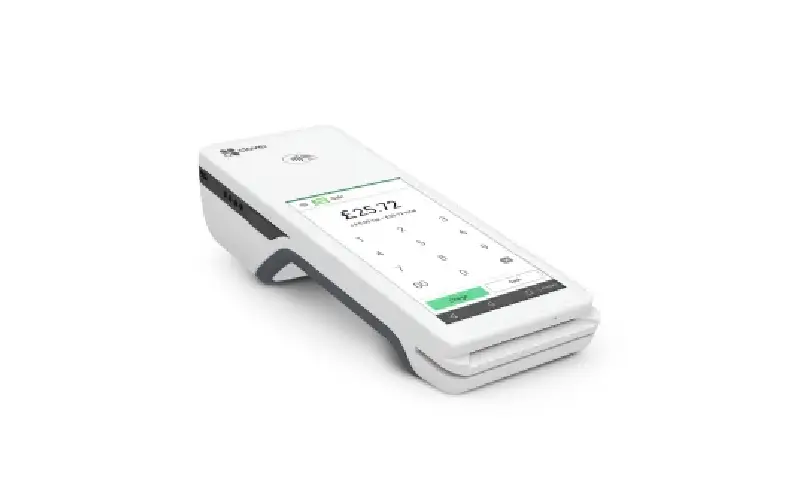
Traditional Point of Sale (POS) Terminals
Traditional POS terminals are the classic card machines you often see at retail counters. They are usually connected to a landline or broadband internet and support magnetic stripe cards, chip cards (EMV), and contactless payments (NFC). These machines are reliable, secure, and designed for high-volume transactions but typically require an upfront hardware investment and installation.
Mobile Card Readers
Mobile card readers have revolutionized payments by allowing businesses to accept cards via smartphones or tablets. These compact devices often connect through Bluetooth and support chip, swipe, and contactless payments. They are ideal for on-the-go vendors, pop-up shops, or businesses with mobile sales teams. Mobile readers usually have lower upfront costs but may incur higher transaction fees.
Integrated Payment Systems
Integrated card machines link directly with your business software such as inventory management or accounting tools. These are favored by businesses looking for automation and streamlined operations. While typically more expensive, integrated systems reduce manual errors and improve data accuracy.
Key Factors to Consider in a Card Machine Comparison
When comparing card machines, the decision should be based on more than just upfront cost. Consider the following critical factors that impact long-term usability and business growth.
Payment Types Supported
Modern consumers expect diverse payment options. Ensure your card machine supports EMV chip cards, magnetic stripes, contactless (NFC) payments like Apple Pay and Google Pay, and even QR code payments if relevant in your region.
Transaction Fees and Pricing Models
Card machines come with varying pricing structures — monthly rental fees, per-transaction fees, or even hardware purchase costs. Some providers offer flat rates, while others charge a percentage per transaction plus a fixed fee. Carefully compare these fees to understand the total cost of ownership.
Connectivity and Reliability
Consider whether your business location has reliable internet connectivity or if you need a machine with offline capabilities or cellular connectivity. Interruptions in service can lead to lost sales, so choose a machine with stable and versatile connectivity options.
Security and Compliance
Payment security is paramount. Look for machines that comply with PCI-DSS standards and support end-to-end encryption to protect customer data. Additional features like tokenization add extra layers of security.
Ease of Use and Customer Support
User-friendly interfaces and quick setup are essential, especially for small businesses without dedicated IT staff. Also, assess the availability and quality of customer support from the provider, as quick issue resolution minimizes downtime.
Popular Card Machines: A Practical Comparison
Here’s a practical card machine comparison of some popular models and brands, highlighting their core features, ideal use cases, and pricing insights.
Square Reader
Best For: Small businesses and mobile vendors
- Supports chip and contactless payments
- Connects via Bluetooth to a smartphone or tablet
- No monthly fees, flat transaction rate (around 2.6% + 10¢)
- Easy setup and intuitive app-based management
Square Reader excels in flexibility and low upfront cost, making it perfect for startups, food trucks, and freelancers.
Verifone VX520
Best For: High-volume retail stores
- Traditional countertop terminal with Ethernet and dial-up options
- Supports EMV, magstripe, and NFC payments
- High reliability and advanced security features
- Usually requires leasing or purchase with contract terms
The VX520 is trusted by large retailers who need a robust and stable payment system integrated into their checkout counters.
Clover Flex
Best For: Versatile businesses needing all-in-one solutions
- Portable device with built-in printer, barcode scanner, and touchscreen
- Supports a wide variety of payment methods
- Subscription-based pricing with hardware cost or lease
- Cloud-based management platform
Clover Flex combines hardware versatility with software integrations, making it suitable for restaurants, salons, and multi-service businesses.
How to Make the Right Choice: Tailoring Your Card Machine?
Choosing the right card machine involves assessing your business size, transaction volume, sales channels, and customer preferences.
- For Small or New Businesses: Mobile card readers like Square or SumUp offer affordability and ease of use without a long-term commitment.
- For Brick-and-Mortar Retailers: Traditional POS terminals or hybrid solutions like Clover provide the stability and features needed for daily high-volume sales.
- For Mobile or Event-Based Vendors: Lightweight, mobile card readers with cellular options ensure you never miss a sale on the move.
Also, consider future scalability and how easily the device can integrate with your existing software and payment systems.
The Future of Card Machines: Trends to Watch
The payments landscape is evolving rapidly, with innovations impacting card machine functionality and business opportunities.
- Contactless Payments Growth: With rising consumer preference for tap-to-pay, NFC-enabled machines are becoming essential.
- Integration with AI and Analytics: Smart card machines that provide real-time sales analytics and customer insights will become more prevalent.
- Cryptocurrency Payments: Some providers are exploring blockchain-based payment acceptance, a potential game-changer for card machines.
- Sustainability Focus: Eco-friendly card machines with energy-saving modes and recyclable materials are emerging as conscious business choices.
Staying informed about these trends can help businesses adapt their payment infrastructure proactively.
Conclusion
Choosing the right card machine is a critical decision that affects customer satisfaction, operational efficiency, and profitability. Through a detailed card machine comparison, you gain clarity on device types, cost structures, security features, and usability to match your unique business needs. Whether you prioritize mobility, integration, or cost efficiency, there is a payment solution designed to empower your business growth.
As payment technology continues to advance, staying adaptable and informed ensures your business remains competitive and ready to deliver seamless payment experiences that customers expect in the modern marketplace.

Kristy Blanchard is a Kansas-based writer and blogger. She has a passion for writing and exploring different cultures. She has a degree in English Literature and is currently studying marketing. She spends her free time exploring Kansas and always has a new story to tell. She loves to share her experiences in her blog, where she writes about everything from fashion and food to travel and culture.


