
understanding Melasma Laser Treatment
Melasma laser treatment is a specialized dermatological procedure aimed at reducing the appearance of melasma — a common skin condition characterized by dark, discolored patches on the skin, typically on the face. The treatment uses targeted laser technology to break down excess melanin in the skin, offering a more even complexion. It’s a popular option for individuals who have tried topical creams with limited success. Melasma laser treatment is considered safe and effective when performed by qualified dermatologists using FDA-approved equipment.
Causes and Triggers of Melasma
Before considering melasma laser treatment, understanding its root causes is essential. Melasma can be triggered by a variety of factors including sun exposure, hormonal changes (like pregnancy or birth control), and genetic predisposition. UV radiation stimulates melanocytes, which are pigment-producing cells in the skin, leading to hyperpigmentation. Stress and certain medications may also contribute to melasma development. Identifying and avoiding these triggers can significantly enhance the effectiveness of melasma laser treatment and prevent recurrence post-treatment.
Types of Lasers Used for Melasma
There are various types of lasers utilized in melasma laser treatment, each suited for different skin types and melasma severity. Commonly used lasers include Q-switched Nd:YAG lasers, fractional CO2 lasers, and pico lasers. Q-switched lasers are often preferred for their precision and minimal downtime. Fractional lasers work by creating microscopic injuries that stimulate skin regeneration. Pico lasers are newer and use ultra-short pulses to shatter pigment particles more efficiently. Dermatologists usually select the laser type based on an individual’s skin tone, melasma depth, and sensitivity.
Procedure and What to Expect
A typical melasma laser treatment session begins with a thorough skin evaluation by a dermatologist. The procedure itself is quick, usually lasting 20–30 minutes depending on the area being treated. A cooling gel may be applied to minimize discomfort. During the session, patients might feel a tingling or snapping sensation. Post-treatment, some redness or mild swelling is expected but subsides within a few hours to days. Most individuals require multiple sessions spaced a few weeks apart to achieve optimal results. Follow-up care is crucial to maximize the effectiveness of melasma laser treatment.
Results and Effectiveness
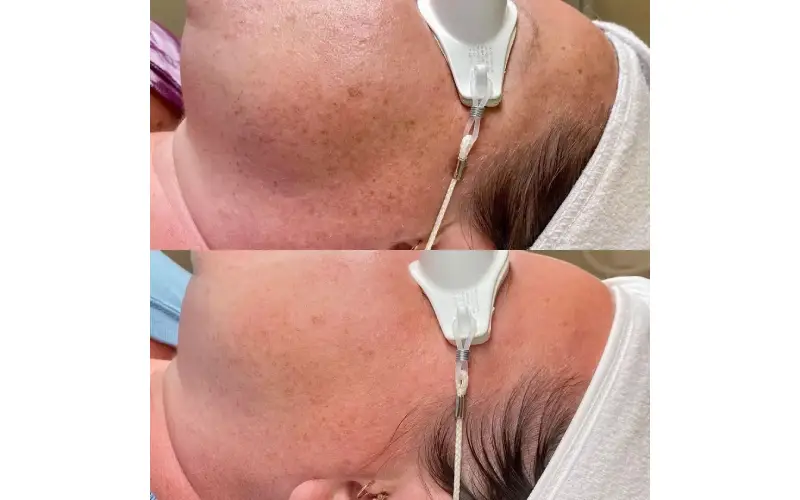
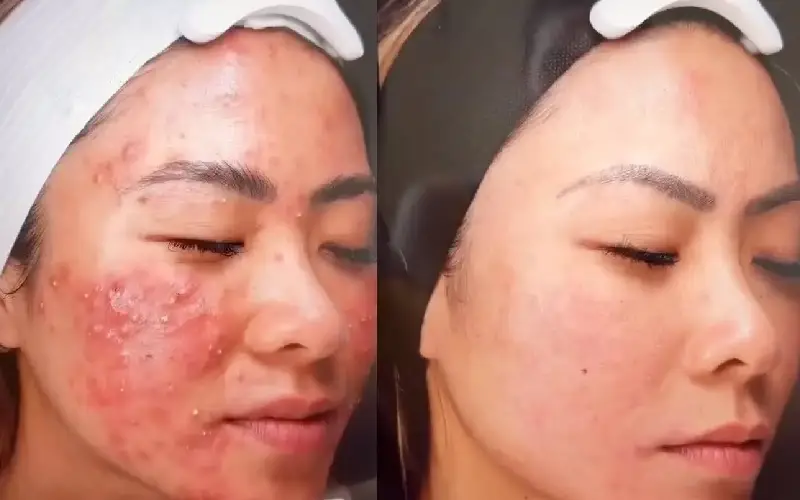
Melasma laser treatment generally yields noticeable improvement after the first few sessions. The results vary based on skin type, severity of pigmentation, and adherence to post-care instructions. While the treatment significantly lightens dark patches, complete elimination might not always be possible. Maintenance sessions and lifestyle modifications, such as sun protection and skincare, play a vital role in sustaining results. Most patients report smoother, brighter, and more even-toned skin after completing their treatment plan. Melasma laser treatment remains one of the most effective tools in combating stubborn pigmentation.
Risks and Side Effects
Although melasma laser treatment is safe, it’s not without potential risks and side effects. Common side effects include temporary redness, swelling, and slight discomfort. In rare cases, patients may experience hyperpigmentation or hypopigmentation, especially if the laser is too aggressive for their skin type. Scarring is extremely rare but possible. It’s essential to follow the dermatologist’s guidelines closely and avoid sun exposure post-treatment. Choosing a licensed and experienced practitioner minimizes these risks and ensures the safest application of melasma laser treatment.
Cost and Accessibility
The cost of melasma laser treatment can vary widely depending on the clinic, location, and type of laser used. On average, a single session may cost between $150 to $500, and multiple sessions are typically needed. While insurance generally doesn’t cover cosmetic procedures, some clinics offer package deals or financing options. Accessibility is increasing with more dermatology centers offering this service. It’s advisable to consult with multiple providers and review before-and-after images to ensure that you’re making an informed decision regarding melasma laser treatment.
Conclusion
Melasma laser treatment provides a highly effective solution for individuals struggling with persistent pigmentation issues. With proper diagnosis, appropriate laser selection, and adherence to post-care routines, significant improvement in skin tone and texture can be achieved. While not a one-size-fits-all remedy, when done under expert supervision, laser treatment can drastically enhance confidence and skin appearance. For long-lasting results, it’s vital to combine the procedure with sun protection and a consistent skincare regimen. Whether you’re exploring options for the first time or seeking a more advanced solution, melasma laser treatment is a worthy consideration in your journey toward clearer skin.

Kristy Blanchard is a Kansas-based writer and blogger. She has a passion for writing and exploring different cultures. She has a degree in English Literature and is currently studying marketing. She spends her free time exploring Kansas and always has a new story to tell. She loves to share her experiences in her blog, where she writes about everything from fashion and food to travel and culture.


