
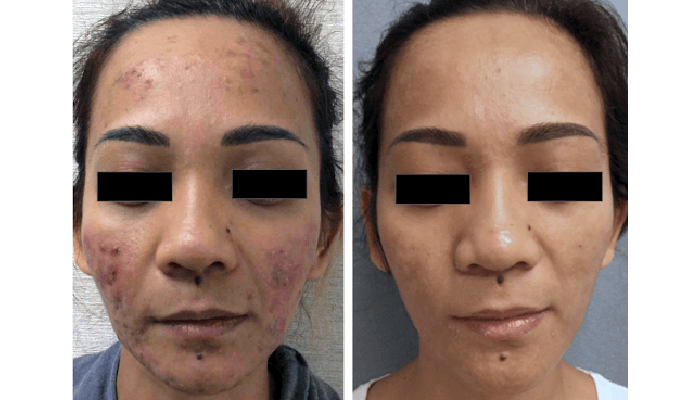
Hyperpigment Laser Treatment For Acne Scars And Dark Spots
Hyperpigmentation, including acne scars and dark spots, is a common skin concern that affects people of all ages and skin types. These discolorations occur due to excess melanin production, often triggered by inflammation, sun exposure, hormonal imbalances, or injuries. Hyperpigment laser treatment has emerged as an advanced and effective solution for reducing or eliminating these skin imperfections. This treatment harnesses the power of laser technology to break down excess melanin and stimulate collagen production, resulting in a more even skin tone and texture.
What Is Hyperpigment Laser Treatment?
Hyperpigment laser treatment is a non-invasive or minimally invasive dermatological procedure that uses focused laser energy to target and break down melanin deposits in the skin. This treatment is designed to address various forms of hyperpigmentation, including post-inflammatory hyperpigmentation (PIH), sunspots, melasma, and acne scars. The laser energy penetrates the skin’s surface, gently heating and fragmenting the pigmented cells, allowing the body’s natural healing process to remove them over time. Additionally, it promotes collagen production, which improves skin texture and elasticity.
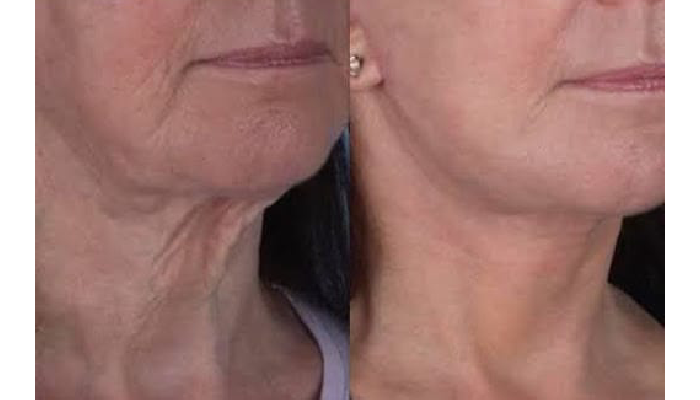
Types Of Lasers Used For Hyperpigment Treatment
Several types of lasers are used for hyperpigment laser treatment, each suited for different skin types and pigmentation concerns:
- Fractional Lasers – These lasers create micro-injuries in the skin, stimulating collagen production while reducing pigmentation. Examples include Fraxel and CO2 lasers.
- Q-Switched Lasers – These lasers deliver high-intensity pulses to break down pigmentation without affecting surrounding tissues. The Q-switched Nd:YAG laser is commonly used for treating dark spots and melasma.
- Pico Lasers – Using ultra-short pulse durations, pico lasers, such as PicoSure, target pigmentation at a faster rate with minimal downtime.
- Intense Pulsed Light (IPL) Therapy – Though not technically a laser, IPL uses broad-spectrum light to treat pigmentation and redness effectively.
Benefits Of Hyperpigment Laser Treatment
Laser treatment for hyperpigmentation offers multiple benefits, making it a popular choice among individuals seeking clearer, more radiant skin:
- Effective Pigment Reduction – Lasers can significantly lighten or eliminate dark spots and acne scars by breaking down excess melanin.
- Non-Invasive or Minimally Invasive – Most laser treatments do not require surgery, making them a safer alternative to more aggressive procedures.
- Stimulates Collagen Production – The treatment improves skin texture and elasticity, resulting in smoother and younger-looking skin.
- Customizable Treatment – Different laser types and settings can be tailored to suit individual skin concerns and tones.
- Long-Lasting Results – With proper aftercare, results can be maintained for an extended period, reducing the recurrence of pigmentation issues.
Who Is An Ideal Candidate For Hyperpigment Laser Treatment?
Hyperpigment laser treatment is suitable for individuals dealing with persistent dark spots, acne scars, or other pigmentation disorders. However, the ideal candidate should:
- Have realistic expectations about the outcome.
- Be in good general health with no active skin infections or diseases.
- Not be pregnant or breastfeeding.
- Have fair to medium skin tones (some lasers may not be suitable for darker skin types due to the risk of post-treatment pigmentation changes).
- Not have a history of keloid scarring or extreme sensitivity to laser treatments.
Procedure: What To Expect During Treatment
The process of hyperpigment laser treatment is straightforward and involves several key steps:
- Consultation – A dermatologist assesses the skin type, pigmentation issues, and medical history to determine the most suitable laser treatment.
- Preparation – The skin is cleansed, and a numbing cream may be applied to minimize discomfort.
- Laser Application – The dermatologist uses a handheld laser device to deliver controlled pulses of light to the targeted areas.
- Post-Treatment Care – After the session, patients may experience mild redness or swelling, which usually subsides within a few days.
- Follow-Up Sessions – Depending on the severity of hyperpigmentation, multiple sessions may be required for optimal results.
Post-Treatment Care And Recovery
Proper aftercare is essential for ensuring the best results and minimizing side effects. Patients are advised to:
- Avoid Sun Exposure – Use a broad-spectrum SPF 30 or higher to protect the treated skin from UV damage.
- Keep Skin Hydrated – Use gentle, hydrating skincare products to support healing.
- Avoid Harsh Skincare Products – Refrain from using exfoliants, retinoids, or chemical peels until the skin fully recovers.
- Follow Dermatologist’s Instructions – Adhering to prescribed skincare routines and follow-up visits ensures optimal results.
Potential Side Effects And Risks
While hyperpigment laser treatment is generally safe, some patients may experience mild side effects, including:
- Redness and Swelling – Temporary and usually subsides within a few days.
- Skin Sensitivity – Treated areas may be more sensitive for a few weeks.
- Temporary Darkening – In some cases, pigmentation may initially darken before fading.
- Scarring or Burns – Rare but possible if the treatment is not performed correctly.
Comparing Laser Treatment With Other Hyperpigmentation Remedies
Although laser treatment is highly effective, other treatment options are available:
- Topical Treatments – Ingredients like hydroquinone, retinoids, and vitamin C help fade pigmentation but may take longer to show results.
- Chemical Peels – Mild to deep peels using acids like glycolic or salicylic acid can exfoliate pigmented skin layers.
- Microneedling – Uses tiny needles to stimulate collagen production and break down pigmentation.
- Home Remedies – Natural solutions like aloe vera and turmeric provide mild benefits but are not as effective as clinical treatments.
Cost And Accessibility
The cost of hyperpigment laser treatment varies based on factors like location, clinic reputation, type of laser used, and the number of sessions required. On average, a single session can range from $200 to $1,500, with multiple sessions needed for best results. Many dermatology clinics and medical spas offer this treatment, making it widely accessible.
Conclusion
Hyperpigment laser treatment is a powerful solution for those struggling with acne scars and dark spots. It provides an effective, long-lasting way to achieve a clearer complexion and restore confidence. With proper care, the benefits of laser treatment can be maximized, making it a worthwhile investment for individuals looking to improve their skin health. If considering this procedure, consulting a qualified dermatologist is the first step toward achieving optimal results.

Burton Moreno, a passionate blog writer residing in the United States, blends his love for business, technology, and travel into captivating content. Based in a vibrant state, Burton brings a unique perspective to his readers, offering insights and experiences that inspire exploration and innovation.


