
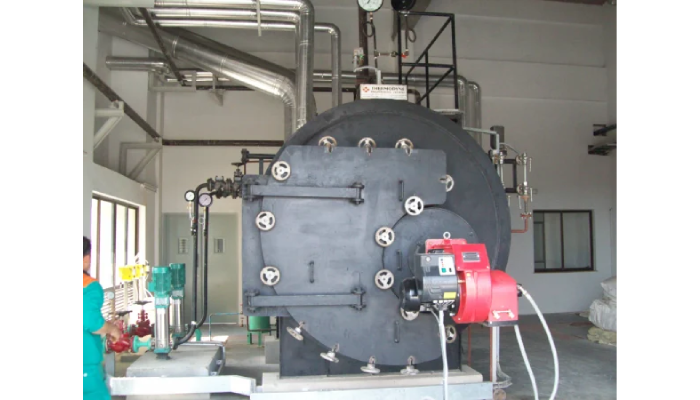
How Industrial Electric Boilers Enhance Workplace Safety?
Industrial facilities rely on various types of boilers to generate steam and heat for manufacturing processes. Traditional fuel-fired boilers, while effective, present significant safety risks due to combustion-related hazards. In contrast, an industrial electric boiler provides a safer and more efficient alternative, reducing workplace risks and ensuring a secure operational environment. This article explores how industrial electric boilers enhance workplace safety, discussing their benefits, operational features, and impact on industrial settings.
The Risks of Traditional Boilers
Traditional industrial boilers, such as gas or coal-fired systems, pose several safety hazards, including:
- Fire and Explosion Risks – Fuel-fired boilers require combustible materials, increasing the risk of fire hazards and explosions.
- Carbon Monoxide Poisoning – Incomplete combustion can lead to carbon monoxide leaks, endangering workers’ health.
- High-Pressure Failures – Steam boilers operate under high pressure, which can cause catastrophic failures if not maintained properly.
- Complex Maintenance Needs – Traditional boilers require extensive inspections, cleaning, and monitoring to prevent malfunctions.
These risks emphasize the need for safer alternatives, such as industrial electric boiler.
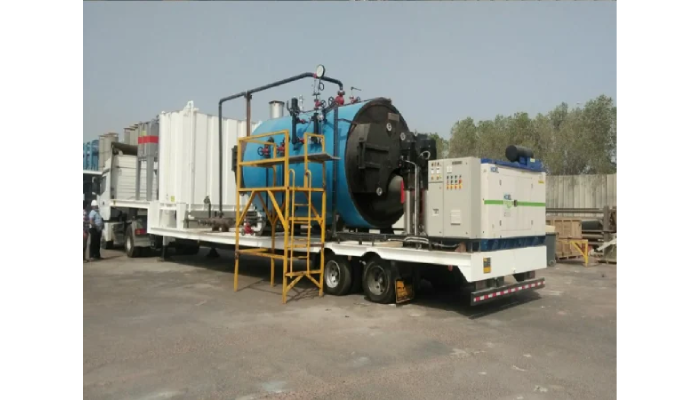
How Industrial Electric Boilers Improve Workplace Safety?
Industrial electric boilers provide several safety advantages over traditional fuel-powered systems. Here’s how they contribute to a safer work environment:
No Combustion, No Fire Hazard
Unlike gas or oil-fired boilers, industrial electric boilers operate without combustion. This eliminates the risks associated with open flames, fuel leaks, and explosions, making them inherently safer for workplaces with strict fire safety regulations.
Reduced Emissions and Toxic Gas Exposure
Industrial electric boilers do not produce harmful emissions like carbon monoxide (CO) or nitrogen oxides (NOx), which are common in fuel-fired systems. This reduces the risk of worker exposure to toxic gases and improves air quality within the facility.
Lower Risk of Pressure-Related Accidents
Electric boilers typically operate at lower pressures compared to traditional steam boilers. This minimizes the chances of pressure-related failures or explosions, which can be devastating in industrial environments.
Simplified Operation and Automated Safety Features
Modern industrial electric boilers come equipped with advanced automation and safety features, such as:
- Automated shutdown systems – Prevents overheating or pressure buildup by shutting down the system when unsafe conditions are detected.
- Leak detection sensors – Identifies water leaks early to prevent damage and accidents.
- Real-time monitoring – Provides continuous safety monitoring, reducing the need for manual inspections and intervention.
No Need for On-Site Fuel Storage
Traditional fuel-fired boilers require on-site storage of flammable fuels, posing fire and explosion risks. Industrial electric boilers eliminate this concern, as they are powered directly by electricity without the need for fuel storage or handling.
Lower Maintenance and Safer Repairs
Electric boilers have fewer moving parts and do not require regular cleaning of burners, chimneys, or fuel lines. This reduces maintenance-related risks, such as burns, chemical exposure, and boiler system failures, contributing to overall workplace safety.
Additional Benefits of Industrial Electric Boilers
Beyond safety, industrial electric boilers offer several operational advantages:
Energy Efficiency
Electric boilers are highly efficient, converting nearly all the electricity into heat energy without significant losses. This efficiency reduces energy consumption and lowers operational costs over time.
Compliance with Environmental Regulations
Since industrial electric boilers do not produce harmful emissions, they help businesses comply with strict environmental regulations, reducing liabilities and potential fines.
Quiet and Vibration-Free Operation
Electric boilers operate quietly compared to traditional boilers, minimizing noise pollution in the workplace and reducing distractions or potential hearing-related hazards.
Flexibility in Installation
With a compact design and no need for fuel storage, industrial electric boilers can be installed in various locations without extensive safety concerns, making them ideal for different industrial applications.
Industries Benefiting from Industrial Electric Boilers
Various industries benefit from the enhanced safety and efficiency of industrial electric boilers, including:
- Food and Beverage Processing – Ensuring clean and safe steam generation without contamination risks.
- Pharmaceutical Manufacturing – Maintaining precise temperature control while eliminating hazardous emissions.
- Chemical Processing – Reducing fire hazards associated with combustible materials.
- Textile and Paper Production – Providing consistent heating while minimizing safety risks.
Conclusion
Industrial electric boilers represent a significant step forward in workplace safety. By eliminating combustion-related risks, reducing emissions, and incorporating automated safety features, they offer a safer alternative to traditional fuel-fired boilers. Industries looking to enhance operational safety, meet environmental regulations, and reduce maintenance concerns should consider investing in industrial electric boilers for a more secure and efficient future.

Burton Moreno, a passionate blog writer residing in the United States, blends his love for business, technology, and travel into captivating content. Based in a vibrant state, Burton brings a unique perspective to his readers, offering insights and experiences that inspire exploration and innovation.


