
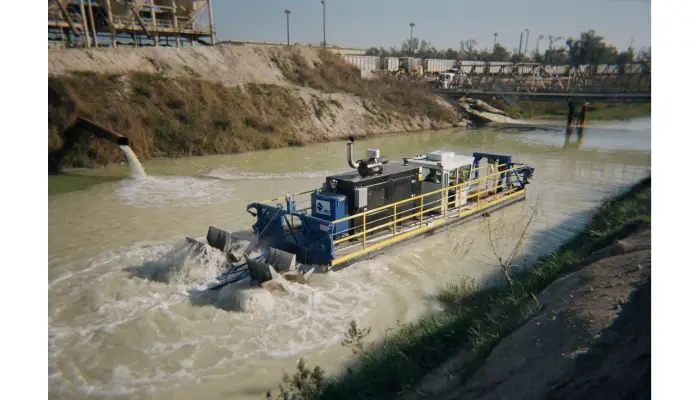
What To Expect During A Canal Dredging Project?
Canals serve as vital waterways for transportation, irrigation, flood control, and recreation. Over time, however, these canals accumulate sediment, debris, and organic matter, which can hinder water flow and reduce their usability. A canal dredge project is the primary solution for restoring these waterways to optimal condition. Whether you live near a canal or are involved in managing one, understanding the canal dredging process helps you know what to expect and how to prepare for it.
This article walks you through the key phases of a canal dredge project, its environmental and community impact, and the equipment and techniques commonly used.
What Is Canal Dredging?
Canal dredging is the process of removing accumulated sediments, vegetation, and other materials from the bottom and sides of a canal. The goal is to restore or maintain the desired depth and width of the waterway, improve navigability, prevent flooding, and promote a healthier aquatic environment.
The primary tool used is called a canal dredge, which can vary in size and design depending on the project’s scope and the characteristics of the canal.

Why Canal Dredging Is Necessary?
Over time, canals become filled with silt, sand, organic matter, and even human-made debris. This can lead to:
- Reduced water flow and drainage
- Navigation hazards for boats
- Increased risk of flooding in nearby areas
- Degraded water quality and aquatic habitat
- Mosquito breeding and unpleasant odors
Periodic dredging is necessary to ensure canals continue to function efficiently and safely.
The Phases of a Canal Dredging Project
Understanding the different stages of a canal dredge project helps set expectations for nearby residents and stakeholders. Here’s a breakdown of what typically happens:
Planning and Assessment
Before dredging begins, engineers and environmental consultants perform assessments to determine:
- The amount and type of sediment to remove
- Potential contaminants
- Environmental impact
- The best dredging method
- Permits and approvals needed
This phase includes soil sampling, water testing, and sometimes wildlife assessments.
Community Notification and Stakeholder Involvement
Once planning is underway, residents and businesses in the area are often informed about the scope, timeline, and possible disruptions from the canal dredge project. Public meetings or mailers may be used to:
- Share key dates and contact information
- Address concerns (noise, traffic, access to water)
- Explain benefits to the community
Community input can influence how certain project details are carried out.
Mobilization of Equipment
Specialized canal dredge equipment is brought on-site, which may include:
- Cutter suction dredges
- Amphibious excavators
- Hydraulic or mechanical dredging systems
- Barges, dump trucks, or pipelines for transporting dredged materials
Depending on the canal’s location and width, equipment may be water-based or operated from the canal banks.
Dredging Operations
This is the core of the project, where sediment is removed from the canal bed. The process may involve:
- Hydraulic dredging: Sediment is liquefied and pumped through a pipeline to a disposal site.
- Mechanical dredging: Excavators or clamshell buckets scoop out material and place it in barges or trucks.
The dredging itself can take weeks to months depending on the canal’s size and sediment volume.
Transport and Disposal of Dredged Material
The sediment removed during the canal dredge must be safely disposed of. Options include:
- Drying and hauling to a landfill
- Reusing for land reclamation or agricultural soil improvement
- Creating constructed wetlands or berms
If the sediment contains pollutants, it may require treatment at a certified facility.
Restoration and Clean-Up
After dredging, crews may:
- Stabilize canal banks
- Restore vegetation
- Reinstall infrastructure (bridges, docks, walkways)
- Clean up staging areas and access roads
Final inspections ensure the canal meets project goals and regulatory standards.
Environmental Considerations
A key concern with any canal dredge project is its environmental impact. During the assessment phase, precautions are taken to:
- Protect fish and wildlife
- Avoid disrupting breeding seasons
- Prevent the spread of invasive species
- Limit turbidity and water pollution
Silt curtains, buffer zones, and careful scheduling all help minimize harm to ecosystems.
Equipment Commonly Used in Canal Dredging
Several types of canal dredge equipment may be used based on site conditions:
- Cutter Suction Dredges: These are ideal for soft-bottomed canals and can operate continuously.
- Bucket Dredgers: Suitable for removing compacted material or debris.
- Amphibious Excavators: Designed for hard-to-reach or shallow areas.
- GeoTubes and Dewatering Bags: Used for filtering and drying dredged slurry.
The choice of equipment affects efficiency, cost, and environmental footprint.
How Long Does a Canal Dredging Project Take?
Project duration can range from a few weeks to several months depending on:
- Canal length and depth
- Volume of sediment
- Weather conditions
- Environmental restrictions
- Permit approvals
Local authorities or contractors usually provide a detailed project timeline in advance.
Impact on Local Communities
A canal dredge project can cause temporary inconvenience, but the long-term benefits often outweigh the short-term disruptions. Here’s what residents can expect:
Short-Term Impacts:
- Increased noise from machinery
- Restricted access to certain areas
- Possible odor from disturbed sediments
- Temporary water discoloration
Long-Term Benefits:
- Better drainage and flood protection
- Cleaner, more attractive waterways
- Improved navigation for boats
- Healthier aquatic ecosystems
- Enhanced property values near the canal
Proper communication between project teams and the public can significantly reduce frustrations and improve cooperation.
Conclusion
A canal dredge project plays a crucial role in maintaining the health, usability, and safety of man-made waterways. Whether you’re a property owner near a canal, a municipal planner, or simply someone interested in water resource management, understanding the phases, equipment, and community impact of dredging helps set realistic expectations.
While the process may involve some short-term inconvenience, the end result is a cleaner, more functional canal that benefits everyone from wildlife to residents to local governments.

Burton Moreno, a passionate blog writer residing in the United States, blends his love for business, technology, and travel into captivating content. Based in a vibrant state, Burton brings a unique perspective to his readers, offering insights and experiences that inspire exploration and innovation.


