
How to Raise Awareness for Deafness Free India 2047?
Hearing loss is a growing challenge in India. According to studies, millions of people live with varying degrees of hearing impairment, and many are unaware of early detection methods or available resources. To address this challenge, the vision of Deafness Free India 2047 has been set—a future where hearing loss is significantly reduced through awareness, prevention, and care. Raising awareness is crucial to achieving this vision, and it involves coordinated efforts from individuals, communities, healthcare providers, and organizations.
Understanding Deafness in India
Before discussing awareness strategies, it is essential to understand the scale of the issue. Hearing loss in India affects people of all ages, from newborns to the elderly. The causes can vary, including genetic conditions, infections, exposure to loud noise, and age-related factors. Unfortunately, many cases go undiagnosed due to lack of awareness, limited access to healthcare, and social stigma associated with hearing difficulties.
By recognizing these challenges, awareness campaigns can be better designed to reach those who need information, resources, and support.
Why Raising Awareness Matters?
Raising awareness is the first step toward creating a society that supports early detection, prevention, and care. Here’s why it is critical for Deafness Free India 2047:
- Early Intervention Saves Lives: Awareness encourages timely screening and diagnosis, reducing long-term complications.
- Breaking Stigma: Many individuals with hearing loss face social exclusion. Awareness campaigns help normalize the condition and promote inclusion.
- Encouraging Policy Support: Public attention can drive government policies and funding for hearing care programs.
- Promoting Community Participation: Engaged communities can implement grassroots initiatives to educate and support those affected.
Strategies to Raise Awareness for Deafness Free India 2047
1. Community Engagement Programs
Community-driven programs are highly effective in reaching local populations. These may include:
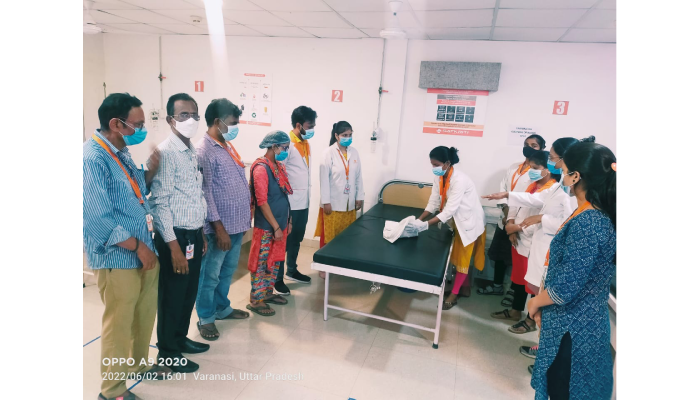
- Health Camps: Organize free hearing screenings in schools, workplaces, and community centers.
- Workshops and Seminars: Educate families and caregivers on the importance of early diagnosis, hearing protection, and assistive devices.
- Interactive Sessions: Encourage people with hearing loss to share their experiences, fostering empathy and understanding.
2. Leveraging Schools and Educational Institutions
Education is a powerful tool for change. Schools and universities can play a significant role in promoting Deafness Free India 2047:
- Curriculum Integration: Include topics on hearing health and prevention in science and health education courses.
- Student-led Campaigns: Encourage students to organize awareness drives, poster competitions, and seminars.
- Parent Workshops: Engage parents to understand early warning signs of hearing loss in children.
3. Utilizing Media and Social Platforms
Media outreach can amplify the message exponentially. Effective strategies include:
- Social Media Campaigns: Use platforms like Facebook, Instagram, and Twitter to share informative posts, videos, and success stories.
- Influencer Partnerships: Collaborate with celebrities and social influencers to reach wider audiences.
- Traditional Media: TV, radio, and newspapers remain valuable for reaching rural and older populations.
4. Collaborating with Healthcare Professionals
Doctors, audiologists, and community health workers are key allies in raising awareness:
- Training Programs: Equip healthcare professionals with knowledge and resources to educate patients about hearing health.
- Screening Initiatives: Healthcare providers can lead mass screenings during health awareness weeks.
- Counseling Services: Offer guidance on hearing aids, cochlear implants, and preventive care.
5. Nonprofit and NGO Involvement
Nonprofit organizations are often at the forefront of social awareness campaigns. They can contribute by:
- Organizing Nationwide Campaigns: National campaigns can align with Deafness Free India 2047 to mobilize attention and resources.
- Developing Educational Materials: NGOs can create pamphlets, videos, and interactive content for schools and communities.
- Supporting Government Initiatives: Collaboration with government bodies amplifies impact and ensures sustainable programs.
6. Corporate Social Responsibility (CSR) Initiatives
Businesses can play a significant role in promoting hearing health:
- CSR Campaigns: Companies can sponsor awareness programs, free screenings, and assistive devices.
- Employee Engagement: Encourage employees to participate in volunteer programs related to hearing health.
- Funding Research: Support research into innovative hearing care solutions.
Measuring the Impact of Awareness Campaigns
Raising awareness is not just about spreading information; it’s about measurable change. To track the effectiveness of campaigns, consider:
- Surveys and Feedback: Collect feedback from participants to assess knowledge improvement.
- Screening Numbers: Monitor how many people attend free hearing camps and screenings.
- Policy Changes: Track any local or national policy changes influenced by awareness campaigns.
- Community Engagement Metrics: Measure participation in workshops, seminars, and social media campaigns.
How Individuals Can Contribute?
Every person can make a difference in achieving Deafness Free India 2047:
- Spread Awareness: Share accurate information about hearing health within your network.
- Support Organizations: Volunteer or donate to nonprofits working in the hearing care space.
- Encourage Screening: Motivate friends and family to get regular hearing checks.
- Promote Accessibility: Advocate for hearing-friendly environments in workplaces, schools, and public spaces.
Conclusion
The vision of Deafness Free India 2047 is ambitious but achievable. Raising awareness is a critical step in addressing the challenge of hearing loss. It requires the collective effort of communities, educational institutions, media, healthcare providers, nonprofits, corporations, and individuals.
By focusing on education, engagement, and empowerment, India can move closer to a future where hearing loss is identified early, treated effectively, and stigma is eliminated. Each action, no matter how small, contributes to a larger mission—ensuring that India is on the path to becoming truly deafness-free by 2047.

Kristy Blanchard is a Kansas-based writer and blogger. She has a passion for writing and exploring different cultures. She has a degree in English Literature and is currently studying marketing. She spends her free time exploring Kansas and always has a new story to tell. She loves to share her experiences in her blog, where she writes about everything from fashion and food to travel and culture.


