
Hanging Shelf Brackets vs Floating Shelves: What’s Better?
When deciding between hanging shelf brackets and floating shelves, there are a few key factors to consider. Floating shelves are great for a modern look because they don’t show any supports, perfect for minimalist designs. They do maximize vertical space but can struggle under heavy items, which might lead to sagging. On the other hand, hanging shelf brackets add a rustic charm and can hold heavier loads more effectively. However, they require more space and care in styling to avoid clutter. Ultimately, if you want aesthetic appeal with lighter decor items, floating shelves shine; but if functionality is your priority with easier installations and robust support, then go with hanging brackets.
1. Aesthetic Appeal of Floating Shelves vs Hanging Brackets
Floating shelves are known for their clean and modern look, as they have no visible support. This design allows them to blend seamlessly with walls, giving the illusion that they are floating. They come in various materials like wood, glass, or metal, which opens up a world of aesthetic possibilities. In open spaces, floating shelves can enhance the feeling of airiness, making a room feel more spacious and inviting.
These shelves are excellent for highlighting decorative items, as the absence of hardware means there are fewer distractions. They fit well into minimalist designs, offering a stylish and simple option for home decor. Additionally, floating shelves can be styled with lighting to create dramatic effects, adding to their visual appeal. Their custom sizes also allow them to fit perfectly into specific areas, making them versatile for different spaces. Homeowners can paint or stain floating shelves to match their room’s color scheme, ensuring a cohesive look.
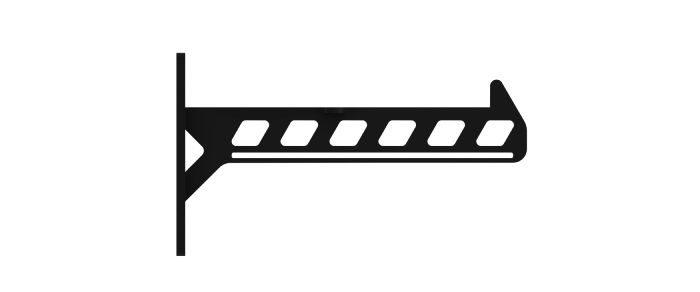
On the other hand, hanging shelf brackets bring a unique character to a space, particularly with vintage or industrial designs. They can add a rustic charm that complements traditional or eclectic interiors. While they might not offer the same streamlined look as floating shelves, the visible brackets can create a sense of personality and warmth, appealing to those who appreciate a more character-driven aesthetic.
- Floating shelves create a clean, modern look without visible supports.
- They can blend seamlessly with walls, making them appear as if they are floating.
- These shelves can be made of various materials like wood, glass, or metal, allowing for diverse aesthetics.
- They work well in open spaces, enhancing the feeling of airiness in a room.
- Floating shelves can highlight decorative items without distractions from hardware.
- They suit minimalist designs, offering a simple yet stylish option for home decor.
- Floating shelves can be styled with lighting to create a dramatic effect.
- They often come in custom sizes, fitting perfectly into specific spaces.
2. Space Utilization: Floating Shelves or Hanging Brackets?
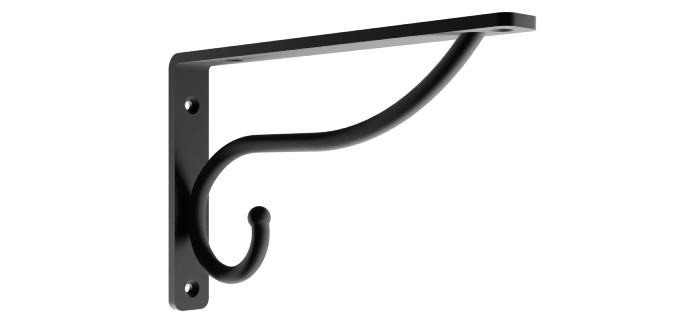
Floating shelves excel in maximizing vertical space, allowing homeowners to place them at various heights. This flexibility enhances the use of wall space, making rooms feel larger and more open. They can transform tight corners into functional areas, displaying items without consuming any floor space. For example, placing a floating shelf in a corner can turn an otherwise unused area into a charming display for plants or small art pieces. In contrast, hanging brackets tend to be bulkier, requiring more wall space due to their structural design. They demand more clearance for items, which can limit placement options, making them less suitable for tighter areas. While hanging brackets are ideal for larger, heavier items and can be spaced apart effectively, they may also create a more crowded appearance if not styled thoughtfully. Overall, floating shelves contribute to a more airy feel, making them particularly appealing for smaller rooms.
3. Weight Capacity Comparison Between Both Options
When comparing weight capacities, floating shelves and hanging shelf brackets serve different purposes. Floating shelves are designed to hold lighter items, making them great for displaying decorative pieces or small plants. However, their weight limit can vary significantly based on how they are installed and the materials used. If not securely anchored, floating shelves may sag or even detach under heavy loads, which can be a concern for those looking to store anything substantial.
On the other hand, hanging shelf brackets provide much more robust support, making them suitable for heavier items like books, kitchenware, or tools. The brackets help distribute weight more evenly across the wall, which reduces the risk of damage. This is particularly important in homes with drywall or plaster, where improper support can lead to costly repairs. Additionally, hanging brackets can often be reinforced for extra strength, ensuring stability even with heavier loads.
It’s crucial to check the weight limits specified by the manufacturer for both options. For floating shelves, selecting the right wall anchors is vital when planning to store heavier items, while hanging brackets typically allow for more versatile and safe storage solutions without the worry of collapse.
4. Installation Process: Which is Easier?
Installing floating shelves can be a bit of a challenge. They require precise measurements and careful alignment to ensure they are level and secure. This process often involves finding wall studs or using anchors for support, which can be tricky for those who aren’t handy. If the installation isn’t done right, it can lead to sagging or even the shelves falling off the wall. In contrast, hanging shelf brackets are generally easier to install. Their straightforward mounting options allow for quicker setup, and they can be adjusted during installation to meet specific needs. While floating shelves might require extra tools or even a second pair of hands, hanging brackets can usually be mounted with just a few simple tools. Once floating shelves are set in place, repositioning them is labor-intensive, making them less forgiving. In comparison, hanging brackets can be removed and replaced with minimal effort, allowing for greater flexibility in arranging your space.
5. Customization Options for Shelving Solutions
Floating shelves stand out in terms of customization. They can be crafted to fit unique spaces, allowing for tailored solutions that match your specific needs. Whether you want them long and narrow or short and wide, floating shelves can be made in various sizes and shapes. Additionally, you can stain or paint them to coordinate with your existing decor, adding a personal touch to your space. The design flexibility extends to arrangements; you can change the layout of floating shelves over time, creating fresh looks without a complete overhaul.
On the other hand, hanging brackets do come in different styles, providing a degree of aesthetic choice. However, they often have more limited size options compared to floating shelves. The base designs of hanging brackets are typically fixed, meaning that while you can swap out brackets for different looks, the shelves themselves may not offer the same level of customization. While you can paint or finish the brackets, this does not match the versatility that floating shelves provide.
Furthermore, floating shelves can be designed with features like hidden lighting, elevating their visual appeal. This kind of customization not only enhances functionality but also adds an inviting atmosphere to a room. In contrast, hanging brackets lend a traditional charm with visible supports, but often lack the dynamic options available with floating shelves.
6. Maintenance and Practicality of Each Type
Floating shelves tend to collect dust easily, which means they require regular cleaning to maintain their appearance. Once installed, they are also less adjustable, making it hard to change their configuration without significant effort. This can be a drawback in dynamic spaces where you might want to rearrange decor frequently. In contrast, hanging brackets are simpler to clean and rearrange due to their structure. They allow for easy access and reconfiguration of items, making them more practical for everyday use.
Moreover, floating shelves may need special care to keep them looking good over time, and if overloaded, they can suffer from sagging or require repairs, impacting their practicality. Hanging brackets, on the other hand, can be painted or replaced without affecting the shelf itself, offering more flexibility. They also generally require less frequent maintenance, making them a more convenient choice in high-traffic areas where usability is key. Regular checks for stability and safety are necessary with floating shelves, adding another layer of responsibility for the homeowner.
7. Durability and Longevity of Floating vs Hanging Shelves
When considering durability, floating shelves and hanging shelf brackets offer different strengths and weaknesses. Floating shelves, while aesthetically pleasing, can be more vulnerable to moisture damage and warping, especially in humid environments. This susceptibility means they might require more careful material selection and installation to ensure they last. If not installed correctly or overloaded, floating shelves might need to be replaced sooner than anticipated.
In contrast, hanging brackets generally provide a more stable support system. They can handle heavier loads and are made from durable materials that resist wear and tear. The visible support from brackets not only adds a design element but also reduces the risk of failure under weight, making them a reliable choice for those needing to store heavier items. Furthermore, hanging brackets tend to perform better in various environmental conditions, ensuring a longer lifespan.
For floating shelves, regular checks can help maintain their durability over time, but they still require precise installation for longevity. Overall, if you prioritize stability and longevity, hanging shelf brackets are typically the better option.
8. Choosing the Right Option for Your Needs
When deciding between hanging shelf brackets and floating shelves, it’s crucial to consider what you actually need. If you’re after a modern look that emphasizes your decor, floating shelves are a great choice. They create a sleek, minimalist vibe that works well in contemporary spaces. On the other hand, if you need a sturdy storage solution that’s easy to access, hanging brackets are likely the better option. They provide robust support for heavier items and allow for rearranging without much hassle.
Think about the weight of the items you plan to store. Floating shelves typically hold lighter décor, while hanging brackets can manage heavier books or kitchenware. Also, assess your comfort level with installation; floating shelves can require more skill to mount correctly. If you prefer to keep things simple and flexible, brackets might be the way to go.
Another key factor is your overall design style. Floating shelves shine in minimalist setups, while hanging brackets add a touch of character that can enhance traditional or eclectic spaces. If customization is important to you, floating shelves offer more options to tailor to your needs. Finally, consider how often you want to change things up. Hanging brackets allow for easier rearrangements, while floating shelves can be more static once installed. Your final choice should reflect both your practical needs and your personal style.
Frequently Asked Questions
1. What are hanging shelf brackets?
Hanging shelf brackets are support pieces that attach to the wall and hold up shelves. They usually stick out from the wall, providing a way to display items.
2. What are floating shelves?
Floating shelves appear to float on the wall without visible support. They have hidden brackets that are installed inside the shelf, giving a clean look.
3. Which option is easier to install, hanging shelf brackets or floating shelves?
Hanging shelf brackets are generally easier to install since they just need to be secured to the wall. Floating shelves can be a bit trickier due to the need for precise drilling to hide the brackets.
4. Are floating shelves strong enough to hold heavy items?
Floating shelves can hold a good amount of weight, but you need to properly install them and choose the right size for your items. Hanging shelf brackets can often hold heavier objects more easily.
5. Can I use both types of shelves in the same room?
Yes, you can mix both hanging shelf brackets and floating shelves in the same room. This can create an interesting look and help you utilize space in different ways.
TL;DR When deciding between hanging shelf brackets and floating shelves, consider aesthetic appeal: floating shelves offer a modern look, while hanging brackets provide a classic charm. For space utilization, floating shelves maximize vertical space, while brackets may take up more room. In terms of weight capacity, brackets support heavier items better, whereas floating shelves are limited to lighter decor. Installation is typically easier with hanging brackets, but floating shelves require precise setup. Customization favors floating shelves, which can fit unique spaces, while brackets offer predefined styles. Maintenance is easier with hanging brackets, and durability favors brackets for heavy loads. Choose floating shelves for a sleek style with light displays, or go for hanging brackets for sturdier, adjustable storage.

Kristy Blanchard is a Kansas-based writer and blogger. She has a passion for writing and exploring different cultures. She has a degree in English Literature and is currently studying marketing. She spends her free time exploring Kansas and always has a new story to tell. She loves to share her experiences in her blog, where she writes about everything from fashion and food to travel and culture.


