
Laser Skin Treatments: A Comprehensive Guide to Types and Techniques
In today’s fast-paced world, glowing and youthful skin is often a priority for many. With advancements in technology, achieving that radiant complexion has never been easier. Enter laser skin treatment—a cutting-edge solution that can transform your skin and enhance your natural beauty. Whether you’re grappling with acne scars, sun damage, or signs of aging, there’s likely a laser technique tailored just for you. This comprehensive guide will dive into the various types of laser treatments available, their benefits, and what you need to know before booking an appointment. Get ready to explore the fascinating realm of lasers and discover how they can help you achieve the flawless skin you’ve always desired!
Benefits of Laser Skin Treatments
Laser skin treatment in Sacramento CA can offer a range of advantages that can transform your skincare routine. One of the most significant benefits is their precision. Lasers target specific areas, minimizing damage to surrounding tissues.
These treatments are known for their effectiveness in reducing fine lines and wrinkles. Many patients see noticeable results after just one session.
Additionally, laser therapies promote collagen production. This natural process helps improve skin texture and elasticity over time.
Another appealing aspect is the minimal downtime associated with many procedures. Unlike invasive surgeries, some laser treatments allow you to resume daily activities almost immediately.
Patients also appreciate the versatility of lasers; they can address various concerns such as pigmentation issues, acne scars, and enlarged pores. With advancements in technology, there’s a suitable option for nearly every skin type and condition.
Different Types of Lasers Used for Skin Treatments
Laser skin treatments utilize various types of lasers, each designed for specific skin concerns.
Ablative lasers remove the outer layer of skin to reveal a smoother surface underneath. These are effective for deep wrinkles and scars but require more downtime.
Non-ablative lasers heat the underlying skin without damaging the surface. They promote collagen production, making them ideal for fine lines and overall rejuvenation.
Fractional lasers combine both methods by targeting small sections of tissue. This approach minimizes recovery time while effectively treating imperfections like sun damage.
Pulsed dye lasers focus on blood vessels to reduce redness and pigmentation issues. They’re commonly used for conditions like rosacea or port wine stains.
Q-switched lasers target tattoo ink particles or pigmented lesions with precision, allowing for effective removal without significant harm to surrounding tissues. Each laser type brings unique advantages tailored to diverse skincare needs.
Common Skin Conditions Treated with Lasers
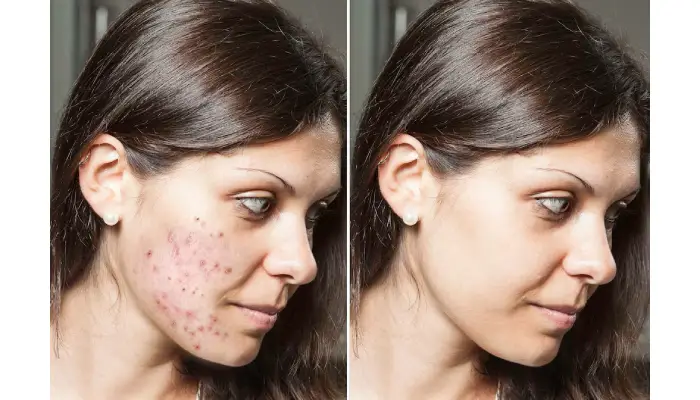
Laser skin treatment is effective for various skin conditions. Acne scars often leave lasting marks, but lasers can significantly reduce their appearance. These treatments work by stimulating collagen production, promoting smoother skin.
Pigmentation issues like age spots and melasma respond well to laser therapy too. Targeted wavelengths break down excess pigment, leading to a more even complexion.
Rosacea sufferers find relief through laser procedures as well. Lasers can diminish redness and visible blood vessels, improving overall skin tone without invasive methods.
Hair removal is another popular application of laser technology. It offers long-lasting results compared to traditional methods like shaving or waxing.
Fine lines and wrinkles benefit from resurfacing lasers that remove damaged top layers of skin. This encourages the growth of new cells for a youthful look without heavy downtime or recovery needs.
Preparing for a Laser Treatment
Preparing for a laser skin treatment involves several important steps. First, it’s essential to consult with your dermatologist or licensed practitioner. They will assess your skin type and discuss your goals.
Avoid sun exposure for at least two weeks before the procedure. Sunburned or tanned skin can lead to complications during treatment.
Additionally, you should refrain from using certain skincare products that contain retinoids or alpha hydroxy acids in the week leading up to the session. These ingredients can make your skin more sensitive.
Stay hydrated by drinking plenty of water prior to your appointment. Well-hydrated skin responds better to treatments.
Bring any questions or concerns you may have to ensure you’re fully informed and comfortable before proceeding with the laser treatment process.
The Process of a Laser Treatment
The process of a laser treatment typically begins with a consultation. During this session, you’ll discuss your skin concerns and desired outcomes. The practitioner will evaluate your skin type and recommend the most suitable laser option.
On the day of the treatment, numbing cream is usually applied to minimize discomfort. This preparation helps ensure that you feel more at ease during the procedure.
Once you’re ready, the clinician uses a handheld laser device to target specific areas of your skin. Depending on the type of treatment, pulses of light penetrate various layers without harming surrounding tissue.
Afterward, cooling gel may be applied to soothe any irritation. You might experience some redness or swelling temporarily; however, these effects generally subside within days as your skin heals and rejuvenates itself.
Tips for Choosing a Reputable Laser Clinic
Choosing the right laser clinic is crucial for a successful treatment. Start by researching clinics in your area. Look for those with positive reviews and testimonials from previous clients.
Next, check the qualifications of the practitioners. Ensure they have proper training and certifications in laser skin treatments. An experienced professional can make all the difference.
Visit the clinic if possible. A clean, welcoming environment reflects their commitment to quality care. Don’t hesitate to ask about the equipment used; advanced technology often leads to better outcomes.
Consultation is key before committing to any procedure. Use this opportunity to discuss your concerns and goals with them directly. Pay attention to how well they communicate and address your questions.
Inquire about aftercare services offered post-treatment. Comprehensive follow-up care can significantly enhance your results and ensure a smooth recovery process.
Conclusion
Laser skin treatment offers a wide array of benefits that can enhance both appearance and confidence. With various types of lasers available, each tailored to treat specific skin issues, individuals have more options than ever before. From acne scars to sun damage, these treatments can address numerous concerns effectively.
Proper preparation and understanding the treatment process are crucial for achieving desired results. Choosing a reputable laser clinic is equally important; it ensures safety and maximizes the potential benefits of your chosen procedure.
Investing in laser skin treatments could be transformative for many seeking brighter, healthier skin. As you consider this option, weigh the possibilities alongside professional guidance to make informed choices that align with your skincare goals.

Burton Moreno, a passionate blog writer residing in the United States, blends his love for business, technology, and travel into captivating content. Based in a vibrant state, Burton brings a unique perspective to his readers, offering insights and experiences that inspire exploration and innovation.


